Apple rolled out the second beta of iOS 26.5 this week — a quiet update in which a handful of practical changes are creeping into the system while the big AI promises remain conspicuously absent.
The build, which surfaced for developers and then as a public beta, doesn’t bring Gemini-powered features or a Siri overhaul. Instead, it keeps polishing features Apple has been iterating on: advertising infrastructure in Maps, expanded messaging encryption, and a grab-bag of interoperability and convenience tweaks that matter mostly to power users and EU residents.
What’s new and why it matters
The most visible change you’ll notice is in Apple Maps. A new “Suggested Places” section has been added to search, and there’s an in-app splash screen explaining how Maps will show ads — based on approximate location, current search terms, or the map view when you search. Apple says ads will be labeled as such, and that advertising information won’t be linked to an Apple Account; the company also asserts it won’t collect or share that ad interaction data.
That splash-screen step is an obvious sign Apple is moving toward a wider rollout — the company previously said Maps ads would arrive to the public this summer in the US and Canada. For users who bought into Apple’s long-standing pitch of a premium, ad-light experience, ads in Maps will feel like a notable shift.
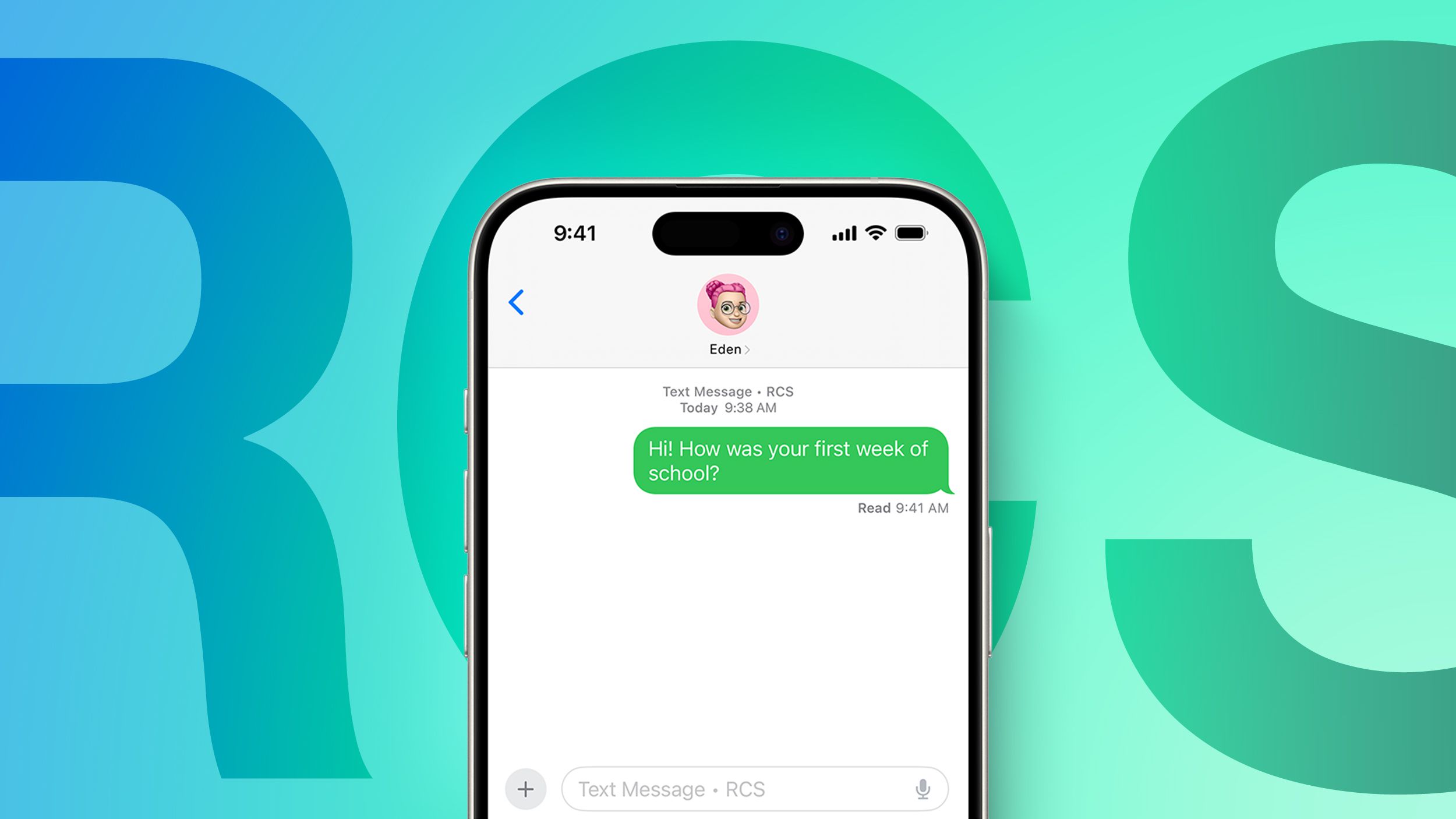
Another headline: Apple reintroduced end-to-end encryption for RCS. The encrypted RCS option has returned with a dedicated toggle in Messages settings, bringing fully encrypted communications between iPhones and Android devices a step closer to reality. It’s a technical win for privacy — if both ends support it — and a reminder that Apple is still trying to bridge the messaging divide with more secure, cross-platform options.
EU interoperability and accessories
In Europe, iOS 26.5 continues Apple’s work to meet regulatory interoperability requirements. The beta adds testing for Live Activities to push to third-party accessories, which could let non-Apple smartwatches and similar devices show live iPhone content. Along similar lines, Proximity Pairing and third-party wearable notifications have been reintroduced in this beta. These moves are directly related to the Digital Markets Act’s pressure on platform vendors to avoid vendor lock-in.
There are smaller but practical additions too: when you connect an Apple Magic accessory to an iPhone, macOS-style Bluetooth pairing now happens automatically to smooth the switch between wired and wireless modes. And during an iPhone-to-Android transfer, Messages settings now let you choose how much message history to bring over — everything, the last year, or just the last 30 days — which should make migrations less painful.
Little extras that add up
iOS 26.5 also bundles a few creature comforts and regional touches:
- Apple Books now includes an awards system that awards trophies and medals based on reading habits.
- A new Inuktitut keyboard layout was added, widening language support for northern Canada.
- There are hints the update might support monthly payment plans for annual subscriptions at a discounted rate with commitment — a split-payment option that developers and users will want to watch.
None of these are headline-grabbing on their own, but together they continue Apple’s pattern of incremental polish.
The rollout context
This public beta follows the earlier developer seed and mirrors many of the same changes; if you’ve been tracking the betas, this feels like Apple consolidating and testing features ahead of a broader release. If you missed the initial developer notes, the earlier developer beta write-up covers the first sightings of many of these items in more detail.
And if you’re still running iOS 26.4 or just caught up with its additions — like Playlist Playground and fresh emoji updates — this beta is a modest pivot from those feature-focused releases toward platform and policy-driven changes. For background on the previous update’s highlights, see our coverage of iOS 26.4’s new features and fixes.
Should you install it?
If you rely on stability and don’t want to tangle with early-adoption quirks, this beta is mainly for testers and developers. For privacy-minded users, the return of RCS E2EE is worth watching; for those who use third-party wearables in Europe, the interoperability work could improve the experience significantly. And for everyone else — expect Apple’s Maps to slowly introduce ad placements labeled with “Ad,” which may change how local search results feel.
Apple’s steady, piecemeal approach here says something about the company’s priorities: ship the plumbing and controls first, then let the new behavior (ads, accessory bridges, subscription payment options) follow once the technical and policy edges are smoothed out. Whether users will accept ads in Maps with Apple’s privacy guardrails remains an open question — but the guardrails themselves are now visible in the app.
If you plan to test the beta, back up your device and be prepared for bugs; if you’re waiting for a stable release, this cycle looks like it’s about laying groundwork rather than delivering a single headline-grabbing feature.