Google has started shipping Android 17 to Pixel phones, and this one is doing a lot more than nudging a version number forward. The update folds in floating app bubbles for multitasking, a new screen-recording mode with selfie-camera reactions, and a smarter gaming layout for foldables. It also arrives alongside Wear OS 7 and the first wave of changes meant to prepare Google’s Android XR ecosystem for glasses and headsets coming later this year.
The rollout begins with Pixels, while other Android makers will get the update across the rest of 2026. That staggered schedule is familiar, but the feature mix feels more ambitious than usual. Google is clearly trying to make Android feel less like a phone OS and more like a cross-device system that can follow you from handset to watch to tablet to wearable glasses.
The most visible change is Bubbles. Android users on some devices have seen app bubbles before, but Google is now making them a formal part of the platform. A long-press on an app icon can turn it into a floating window, letting you keep a chat, map, note or video open while you do something else. On larger screens, including foldables and tablets, those bubbles sit in a dedicated bar along the bottom, making them easier to switch between and resize. It’s a small idea that should pay off quickly if you routinely jump between tasks.
That multitasking push extends to a new feature Google calls Continue On, which is basically Android’s answer to Apple’s Handoff. The first version only works one way — from phone to tablet — but it gives the impression Google is finally stitching together a proper handoff story for people who own more than one Android device. We saw hints of that direction in earlier Android 17 beta builds, and now the pieces are starting to arrive for real.
For foldable owners, Google is also taking gaming more seriously. Android 17 adds a 50/50 split gaming mode that puts the game on the top half of the screen and a dynamic gamepad on the bottom half. It sounds a bit obvious, which is often the sign of a good feature: the big screen on a foldable should be doing more than showing a stretched version of a phone game. Native controller remapping is part of the package too, though Google says some of the foldable gaming changes will arrive in the coming months rather than immediately.
There’s also a cleaner, more social angle to the update. Screen Reactions updates Android’s screen-recording tools with a new toolbar and a way to capture your face and screen at the same time. That should be useful for creators, support tutorials and the kind of quick commentary clips that have become normal in messaging apps and social feeds. It is a much more practical addition than another vague AI promise.
Still, AI is very much present in the background. Google says Gemini Intelligence will arrive later this year on select watches, giving Wear OS 7 users a more proactive assistant layer. On the watch side, Google is also rolling out Live Updates, which track things like deliveries and sports scores on both phone and wrist, plus Wear Widgets that are more like the Android widgets people already know. The company says Wear OS 7 can deliver up to 10 percent better battery life than Wear OS 6, which may be the most welcome line in the whole announcement if you wear a watch all day.
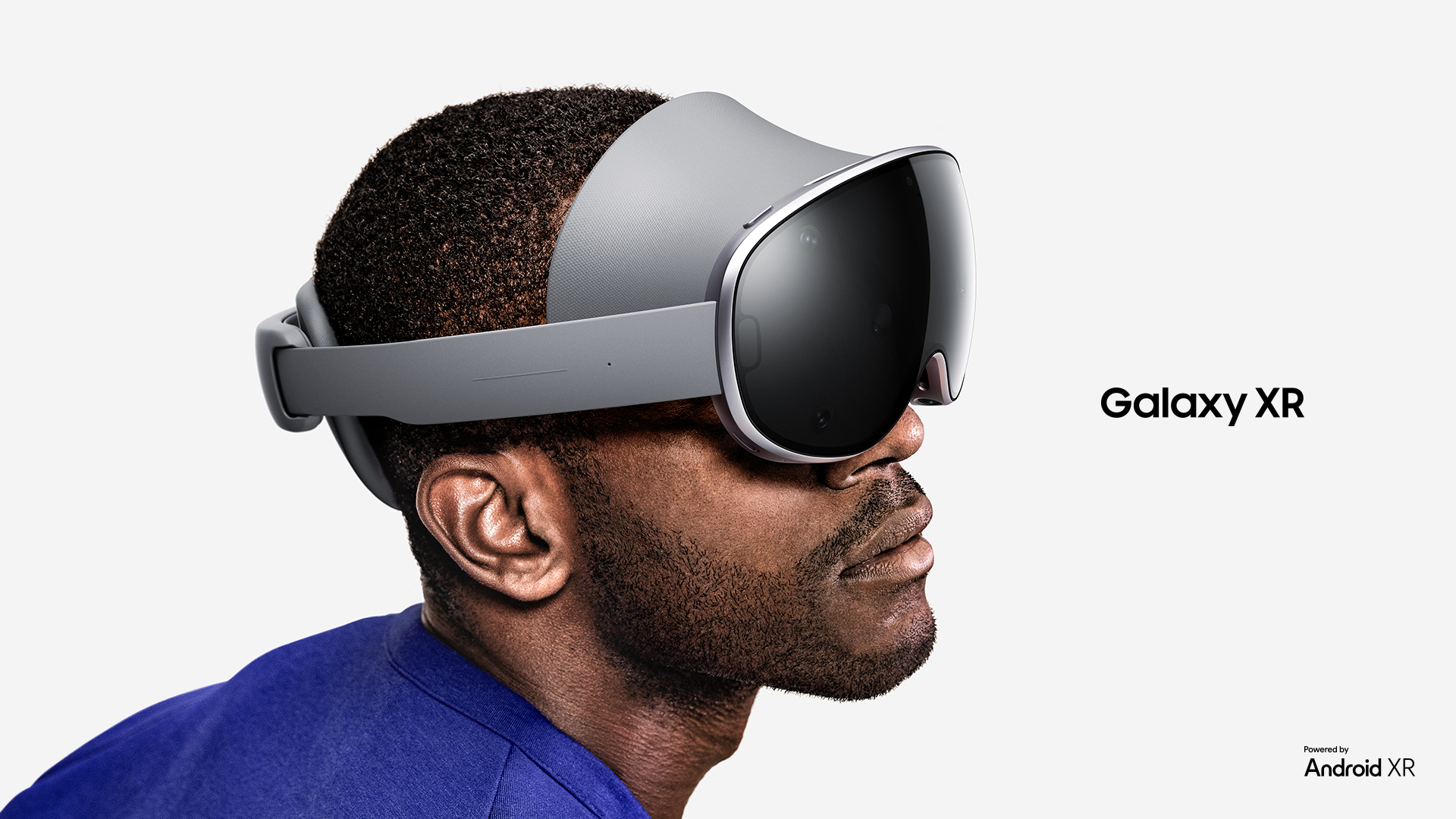
The Android XR side is moving too. Google says the Xreal Aura glasses — the second Android XR device after Samsung’s Galaxy XR headset — are now open for reservations ahead of a broader launch this fall. That’s a small but meaningful step for a platform that was only announced last year. Google has been working hard to show Android XR as more than a demo concept, and the new wearable support in Android and Wear OS suggests it wants the software stack ready before the hardware wave hits.
Of course, not every part of the release is about shiny new features. Google’s June Pixel Drop also brings the usual stack of fixes, and this month’s Android 17 patch is a big one for stability. According to the changelog, there are 38 Pixel fixes spread across apps, audio, battery charging, camera, display, Face Unlock, framework, location, system, telephony, touch and the user interface. That includes fixes for background process crashes, Bluetooth audio instability, wireless charging quirks, camera freezes, UI crashes and more. If you’ve been waiting for a cleaner Pixel experience, this update is doing a fair amount of housekeeping.
A few of the fixes are especially relevant to newer devices. Google is addressing camera issues that can affect recording and zoom changes, a launcher crash tied to AI icons, and a taskbar problem on the Pixel 10 Pro Fold. There are also fixes for external display behavior, GPS accuracy, and a bug that could leave the status bar or quick settings inaccessible. In other words, this update is not just about new tricks; it’s also trying to smooth out the rough edges that have been stacking up as Pixel hardware gets more complicated.
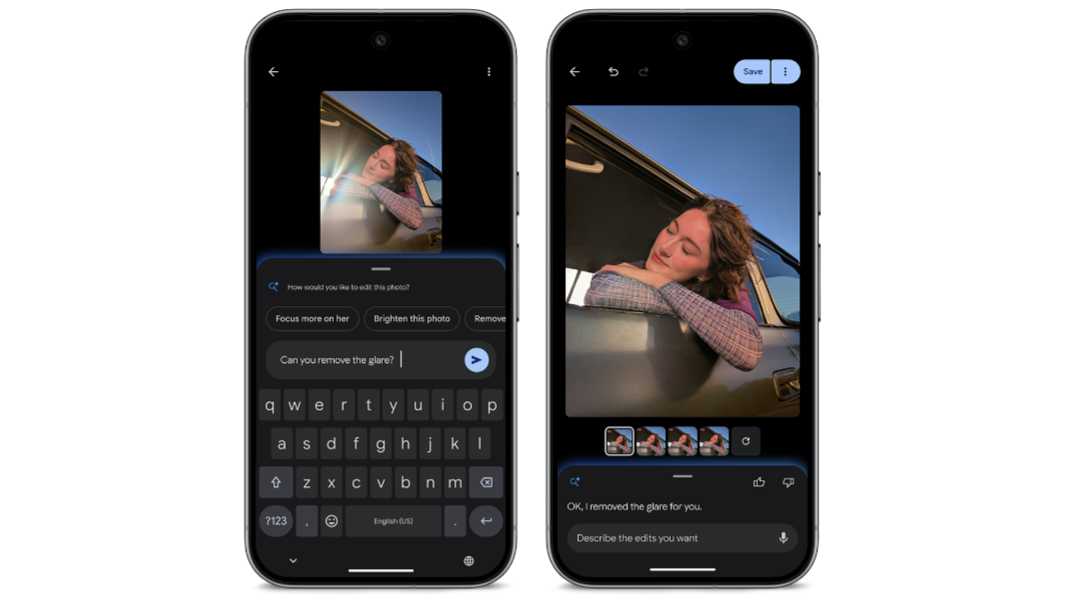
Google’s broader June Pixel Drop adds more on top of Android 17 itself. Pixel users are getting Gemini Omni for video creation, Lyria 3 for AI-generated music, expanded conversational editing in Google Photos, and wider availability for features like Manual Call Screen and Quick Share compatibility with AirDrop on supported devices. Those additions sit alongside the OS update rather than replacing it, which makes this one of the busiest software days Google has shipped in a while. If you want the bigger Pixel-specific roundup, we’ve got that covered in the June Pixel Drop coverage as well.
What stands out here is the shape of Google’s ambition. Android 17 is not trying to reinvent the phone, but it is trying to make the phone behave more like part of a larger personal computing system. Bubbles, handoff, widgets, watches, XR glasses, foldables — the whole thing points in the same direction. The company still has to prove that these features will feel cohesive in daily use, but for once the roadmap looks like more than a list of disconnected experiments.