Samsung’s first crack at extended reality is finally crossing the Channel.
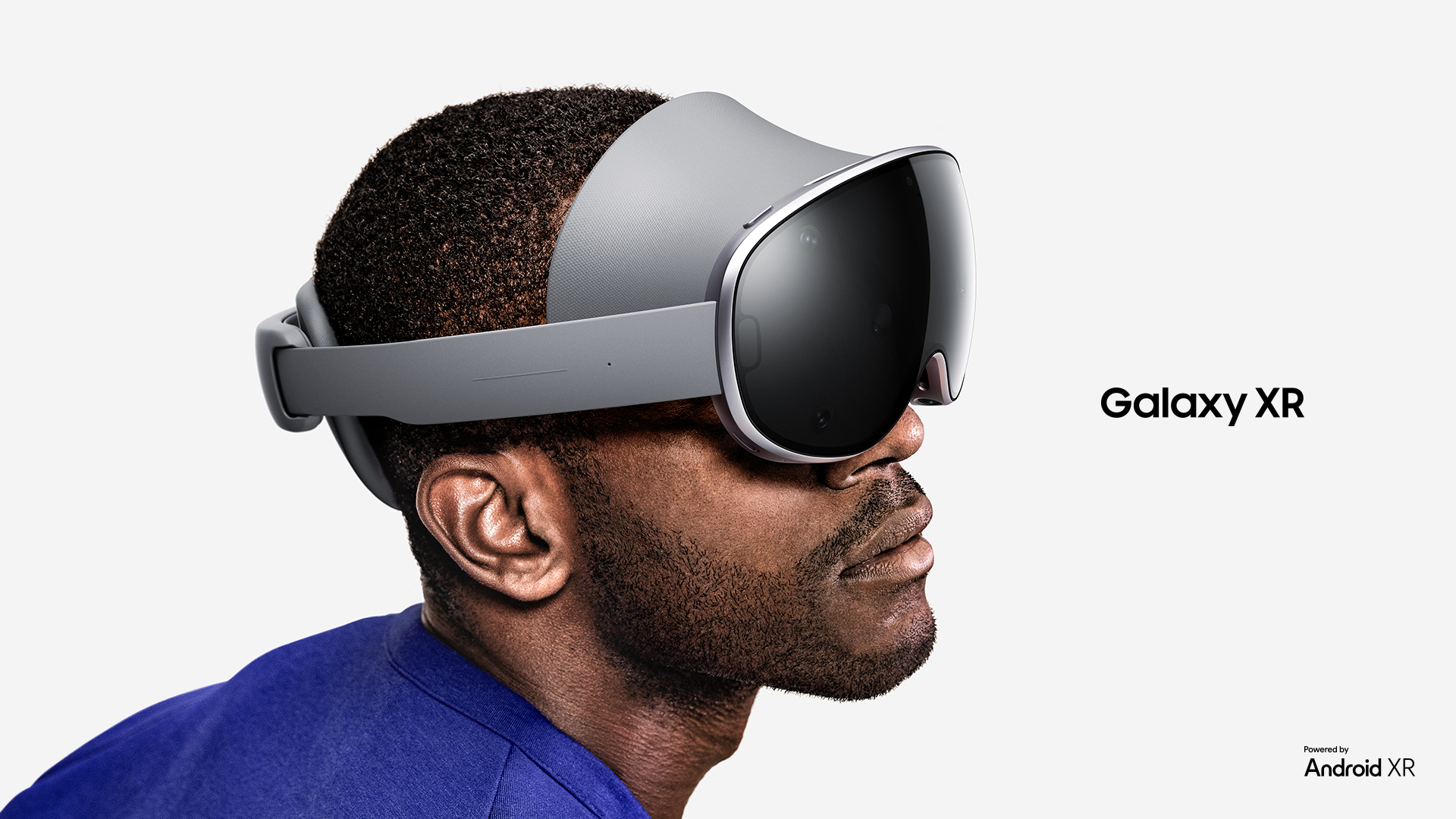
The Galaxy XR, the company’s AI-heavy headset built on Android XR, is now up for pre-order in the UK for £1,699, with shipments due to begin on 8 July. It arrives in a single finish — Silver Shadow — and Samsung is already leaning on incentives to get early adopters to bite.
Buyers can add the Galaxy XR Travel Case or Controllers for £249 each, though Samsung is slicing 30% off either accessory when purchased with the headset until 30 September. There’s also a £100 discount if you use PayPal with the code PAYPALXR before 7 July. Prefer to bundle? Samsung is offering 10% off the headset when it’s bought with a Galaxy smartphone, plus 10% off a Galaxy Watch or Buds when purchased alongside the XR.
The headset itself isn’t new globally — Samsung launched it in October 2025 in the US and Korea — but this UK debut matters because it’s the first time British customers can actually put money down on Samsung’s push into spatial computing. The company positions Galaxy XR as an AI-native device rather than a simple VR headset, and that language is doing a lot of work here. It’s meant to blend work, entertainment and discovery, with voice, hand gestures and eye tracking all playing a part.
Samsung says the headset leans on Google Maps, YouTube and Gemini to make the experience feel less like a novelty and more like a platform. Users can explore locations in 3D, ask Gemini for nearby suggestions, or search by circling objects in passthrough mode. Photos and videos can also be converted into spatial experiences, while streaming apps get the benefit of a 4K Micro-OLED display that Samsung compares to a personal theatre. If you’ve been following Samsung’s broader XR ambitions, this launch fits neatly with the company’s other ecosystem moves — much like its work on Galaxy S26 AirDrop-style sharing and Android's growing push into AI-native features, the goal is to make the hardware feel plugged into a wider digital life rather than stranded as a one-off gadget.
There’s enterprise ambition baked in too. Galaxy XR now supports Android Enterprise, which means IT teams can manage deployments using familiar Android tools. Samsung is pitching that as useful for retail training, healthcare workflows and manufacturing collaboration — the kind of environments where immersive demos actually have a business case beyond the showroom floor.
The specs are still very much in flagship-territory territory: Snapdragon XR2+ Gen 2, 16GB of memory, 256GB of storage, a display with 27 million pixels, Wi‑Fi 7, Bluetooth 5.4 and up to 2.5 hours of video playback. The battery pack sits separately and the headset weighs 545g with the forehead cushion attached, so this is still not something you’ll forget you’re wearing.
Samsung is also making it easy for curious buyers to try before they commit. Hands-on demos are already available at Samsung’s London KX Experience store, plus selected shops at Westfield London, Westfield Stratford City and Manchester Trafford Centre. A livestream on 19 June will give shoppers another chance to see the headset in action and ask questions before the July launch date.
For Samsung, the UK launch is less a victory lap than a proof-of-life moment for Android XR. The category is still young, and unlike phones or watches, headsets need a very specific kind of buyer. But if the company can make Galaxy XR feel genuinely useful — not just futuristic — this could be the first chapter of something bigger.