Apple appears to be quietly testing an iPhone design that would look, at first glance, like a sheet of glass folded around a phone.
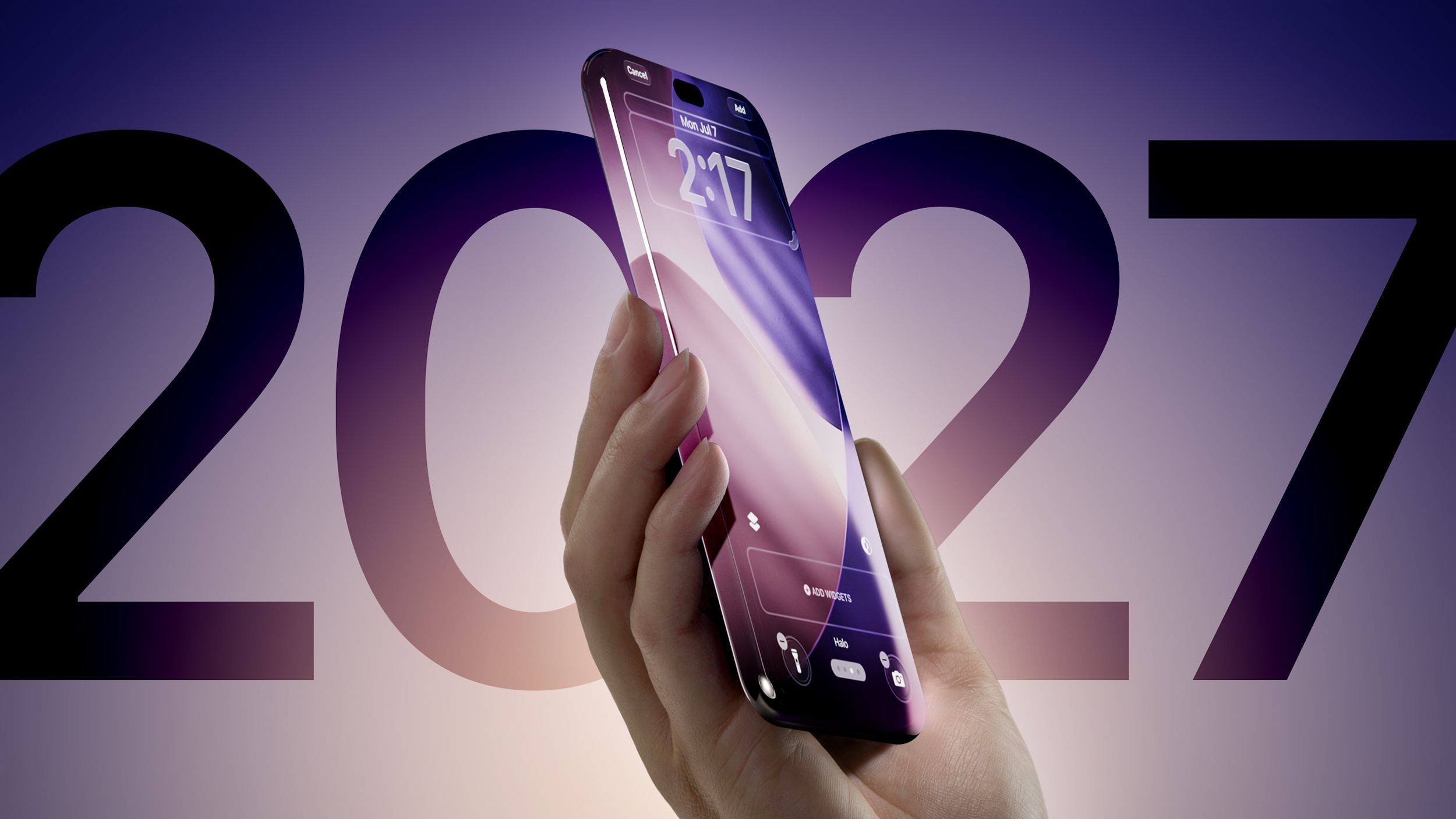
In a Weibo post that quickly rippled through the supply‑chain rumor mill, prolific leaker Digital Chat Station said prototypes of the next Pro iPhones — commonly referred to as the “iPhone 19 Pro” in leaks — are in evaluation testing with a quad‑curved OLED panel that wraps the screen over all four edges.
What the leaks say
The core claims are straightforward: a display that curves on every side to create an almost bezel‑free face, Face ID pushed beneath the panel, and the front camera either hidden under the display or reduced to a tiny hole‑punch. That picture matches earlier analysis from analysts such as Jeff Pu and the occasional hint from leakers like Ice Universe, who have floated the “Liquid Glass” name for an ultra‑subtle, micro‑curved finish.
Digital Chat Station went further than most, saying the design is already in “evaluation testing” and — in a follow‑up — implying production‑line checks are underway. Several outlets picked up the detail; skeptical commentary followed, because full mass production this far ahead of a 2027 launch would be unusual.
Why Apple might try this
2027 marks twenty years since the original iPhone, and Apple has a history of dressing milestone models in new hardware language (think the iPhone X a decade ago). A quad‑curved, nearly bezelless phone would be one clear way to mark an anniversary: it’s visually distinctive and it plays well in marketing photos.
There’s also a supply‑chain angle. Multiple reports say Samsung Display is involved in a custom “four‑micro‑curve” panel and development of Color Filter on Encapsulation (COE) techniques that would make thinner, brighter panels possible. If the displays work, Apple could deploy them across Pro models — or reserve the fully uninterrupted panel for a special 20th‑anniversary variant.
If you’re tracking Apple’s near term roadmap, this sits alongside other big changes the company is testing: the iPhone Ultra foldable and this year’s incremental iPhone 18 Pro updates. The foldable timeline and engineering headaches could influence how aggressively Apple rolls out new panel tech across its lineup; the rumored foldable’s schedule is worth watching in parallel (Iphone Fold December Launch Rumor). Likewise, earlier leaks about the iPhone 18 Pro’s shifting Dynamic Island and other tweaks help explain why Apple might stagger radical redesigns rather than slam them into every model (Iphone 18 Pro Rumors A20 Aperture Fold).
The engineering catch: hiding sensors and the selfie camera
A truly seamless face‑to‑edge display raises tough technical questions. Face ID’s dot projector and infrared flood illuminator are fiddly to hide under glass without losing reliability; putting the selfie camera under the panel without visible artifacts is even harder. Some reports suggest Apple is testing a compromise: a tiny hole‑punch for the selfie camera while Face ID runs under the panel. Other rumors point to Apple still chasing a no‑cutout goal for a special anniversary model.
That’s why you’ll see a mix of excitement and skepticism in reaction threads. Quad‑curved screens look fantastic in press renders, but they change how you hold a phone, how accidental touches are managed, and how a handset survives drops and repairs. Those are nontrivial design and usability trade‑offs.
What could go wrong (or simply change)
Leaks this early often shift. Statements that a device is in “mass production” many months before launch have historically turned out to be premature or misread. Apple’s supply partners frequently run multiple experimental lines; not every prototype becomes a shipping model.
Even if the panels are production‑ready, Apple must still solve under‑panel camera quality and Face ID reliability to a level consistent with its standards — and with reasonable manufacturing yield. If that doesn’t happen, Apple has options: keep the quad‑curved look for a premium anniversary model, stick to a hole‑punch for Pro models, or shelve the idea until the tech matures.
Apple’s design moves often ripple across the industry. Curved edges were once the darling of some Android flagships, then fell out of favor as many makers returned to flatter panels — so it would be ironic to see Apple revive the curve and prompt a new round of waterfall‑style screens in Android flagships late in 2027 and beyond.
For now, the most credible takeaway is this: Apple is experimenting. That experimentation involves partners such as Samsung Display and new manufacturing techniques, and it’s motivated by a symbolic 20th‑anniversary window. Whether those experiments make it into a shipping iPhone — and whether they’ll appear on a Pro, a special anniversary model, or both — will come down to engineering, testing, and yield.
Expect more leaks, more clarifications, and, eventually, bench tests and hands‑on impressions if Apple moves forward. Until then, the curved glass remains an intriguing possibility rather than a confirmed feature.