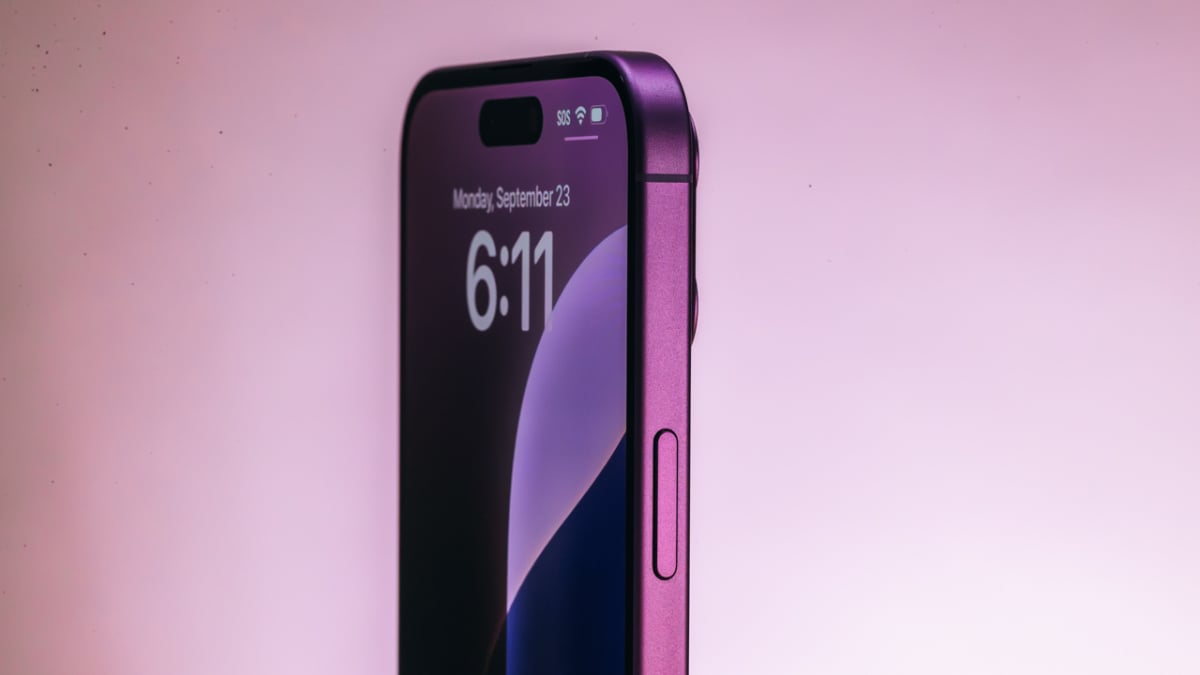
Did Apple oversell its smarter Siri? A proposed $250 million settlement says customers who bought certain iPhones after Apple teased powerful new AI may be owed some cash — even if the company never admitted wrongdoing.
Apple reached the deal in a class-action suit filed in federal court in the Northern District of California. Plaintiffs say marketing around the 2024 iPhone launch promoted “Enhanced Siri” and other Apple Intelligence features that weren’t actually available at purchase, and that some buyers paid a premium expecting those capabilities.
Who could get paid (and how much)
The settlement covers roughly 37 million devices sold in the U.S. between June 10, 2024 and March 29, 2025 — essentially all iPhone 16 models plus the iPhone 15 Pro and 15 Pro Max. If the court gives preliminary approval, eligible owners will be able to file claims on a settlement website that the lawyers say will be launched in the coming weeks. Notifications will go out by mail or email.
Payments are structured per device: an initial payment of $25 per qualifying iPhone, with the potential to rise up to $95 depending on how many claims are filed and other distribution factors. The fund is non-reversionary, meaning unclaimed money won’t revert to Apple. The lawyers who filed the case estimate potential damages were much higher, but the settlement represents a negotiated, quicker resolution.
If you think you qualify, keep an eye on mail and email tied to your Apple purchases — and hold on to receipts or proof of purchase in case you need them for a claim.
Why this wound up in court
The suit says Apple’s promotional materials showcased a conversational, AI-fueled Siri and a broader set of Apple Intelligence features that buyers assumed would be ready when the devices shipped. When some of those capabilities arrived later than expected, consumers felt misled.
Apple has pushed back against the notion of wrongdoing, telling reporters it has rolled out dozens of AI-powered tools since launching Apple Intelligence — things like Visual Intelligence, Live Translation and writing assistants — and that it settled to avoid prolonged litigation and distraction. Still, the company has been under pressure to keep pace with rivals that have pushed AI into phones quickly.
Samsung and Google have been especially aggressive with on-device and cloud-backed AI, and Apple’s careful rollout has frustrated some users. The company’s cautious approach shows up in recent software chatter — for example, the iOS 26.5 developer beta arrived without the anticipated Siri upgrade — even as engineers test broader changes to Siri’s architecture and features like multitasking and “extensions.” You can read about Apple’s internal experiments in our piece on Siri’s redesign and the company’s testing of AI extensions.
What to watch next
A federal judge must sign off before the settlement is final. Plaintiffs’ lawyers have asked for preliminary approval, and a hearing is expected in the coming weeks. After that, a claims website will go live with instructions, deadlines and phone support for questions.
Practical advice: if you bought a covered iPhone in the specified window, watch your email and postal mail. When the claims portal opens, you’ll likely need to confirm the device and your purchase date. Don’t panic if you no longer have the original box; purchase records, carrier billing or Apple ID order history should help.
This case is part of a broader pattern of legal and regulatory scrutiny as tech companies race to attach “AI” to products and services. Consumers increasingly expect concrete features, and marketing that promises future capabilities can draw complaints when timelines slip.
Apple’s settlement won’t change the roadmap — the company is still expected to press ahead with its Siri overhaul and other Apple Intelligence work — but it offers a reminder: in the AI era, hype can be expensive.