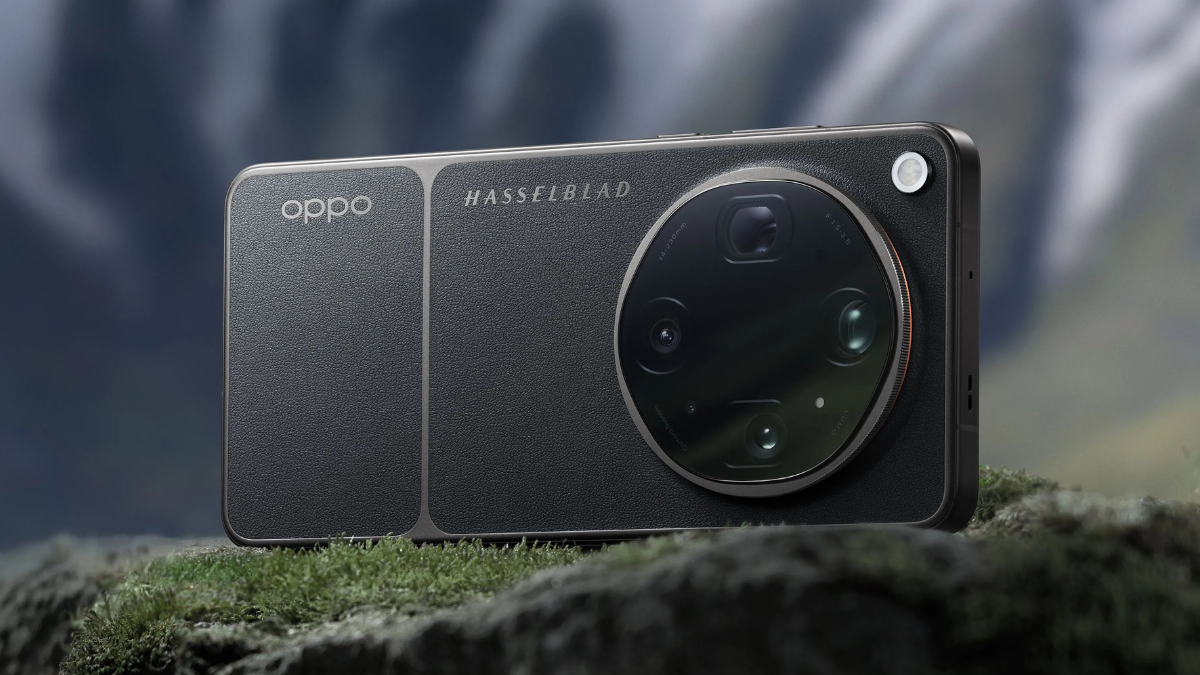
Oppo's new Find X9 Ultra looks less like a slab of glass and more like a compact camera that learned to make calls. The company's latest teased flagship leans hard into tactile materials, a massive circular Hasselblad-branded camera module and ambitious optics — and crucially, Oppo says it's bringing that hardware to global markets (Europe and the UK at least), even if the United States remains off the list.
A design that wants to be held
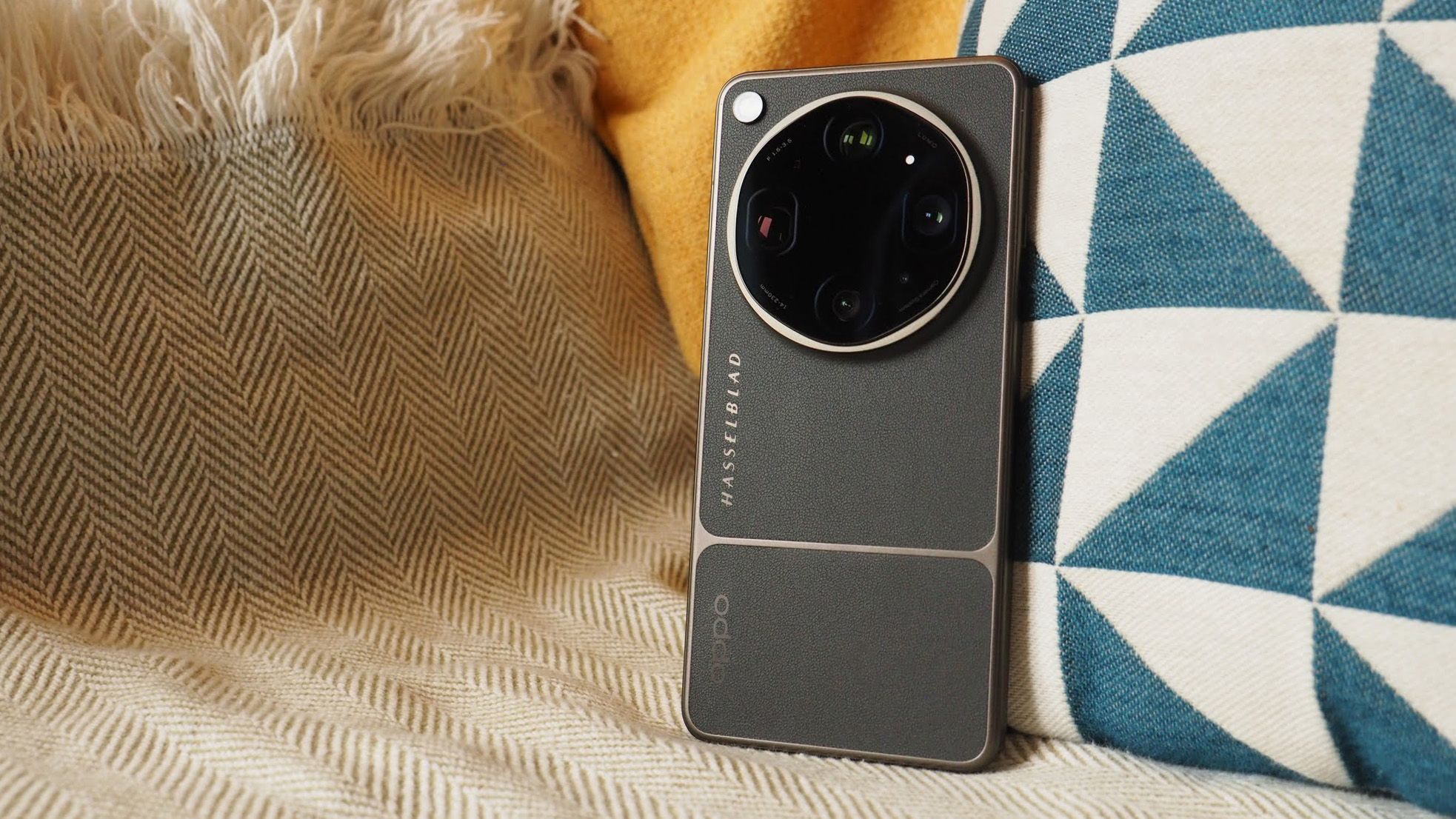
The most immediate thing you notice is the rear. Oppo has resurrected vegan leather for the Ultra, splitting the back into two textured panels: a grippy lower section and an upper area that frames a pronounced, polished metal camera ring. Writers who've handled early units keep dropping analogies to Hasselblad bodies — not just because of the branding, but because the finish, metal trim and colorways (Tundra Umber and a bright Canyon Orange) are explicitly camera-inspired.
That camera ring isn't a cosmetic afterthought. It sits above an asymmetric layout of lenses behind a single glass pane and a big, raised housing that makes the phone feel like a purpose-built imaging device rather than a generalist smartphone.
The camera spec sheet that wants your attention
Oppo is stacking the X9 Ultra with optics meant to be headline-grabbers. Public teasers and hands-on reports point to:
- Dual 200MP sensors (main and secondary)
- A 50MP ultra-wide
- A 50MP 10x optical periscope telephoto
- An effective focal range of roughly 14–230mm with apertures spanning f/1.5 to f/3.5
That arrangement promises a rare combination: extremely high-resolution captures at both the main and zoom ends plus a very long reach without relying solely on digital crop. Oppo also teased a 400mm optional telephoto accessory for users who want even more reach.
The company packages its imaging tech as the "Hasselblad Master Camera System," and reviewers who had early access report physical controls and an orange-accented camera button that reinforce the device's photographic ambitions.
How it fits into the wider camera-phone race
If you've been tracking phone photography, the X9 Ultra feels like a statement. While Samsung and Apple have dominated the headline-grabbing phone cameras for years, Oppo is carving a different path: oversized sensors, bold optics and a look that markets the phone as a camera first.
That strategy echoes moves from other manufacturers pushing camera-first hardware into global markets — a trend that's visible elsewhere in the industry, notably with recent device launches focused on photography and wider availability outside China Vivo's camera-first push into global waters. At the same time, the X9 Ultra's spec stack raises the stakes for next-generation flagship rivals, coming as Apple and Samsung plot their own camera gambits (and possible hardware shifts) for the year ahead iPhone 18 Pro leaks point to camera changes.
Size, battery and availability — the lingering questions
Hands-on accounts describe the X9 Ultra as physically big and slightly weighty — a predictable trade-off for larger optics and a beefy camera module. Full technical specs remain partly embargoed, but leaks and reporting hint at a very large battery and next-gen sensors under the hood. Oppo has scheduled a late-April launch (the event dates being reported around April 21–22), when we'll get the official rundown on processors, memory, charging and software camera modes.
Crucially for buyers outside China, Oppo has signaled a broader launch footprint this time: the Find X9 Ultra is expected in the UK and parts of Europe. The company appears to be treating "global" more literally for this model — though the United States still isn't in the cards.
Why photographers should care (and why some will wait)
For anyone who treats a phone as their primary camera, the X9 Ultra's combination of dual 200MP sensors and a 10x optical telephoto is hard to ignore on paper. The leather finish and physical camera cues suggest Oppo wants to sell the idea of an alternative to pocketable mirrorless systems for people who prize convenience.
That said, real-world performance depends on more than megapixels: sensor size, image processing, stabilization, color science (and how deep the Hasselblad partnership runs in tuning) will determine whether the Find X9 Ultra is a genuine leap forward or an impressive-looking compromise. We'll reserve judgment until we see full camera tests and image samples after the official reveal.
For now, Oppo has succeeded at the trickiest two things: making a phone that looks and feels like a camera, and getting the industry talking. When the full spec sheet and pricing land later this month, the conversation will shift from "look at that module" to "does it take the pictures?"