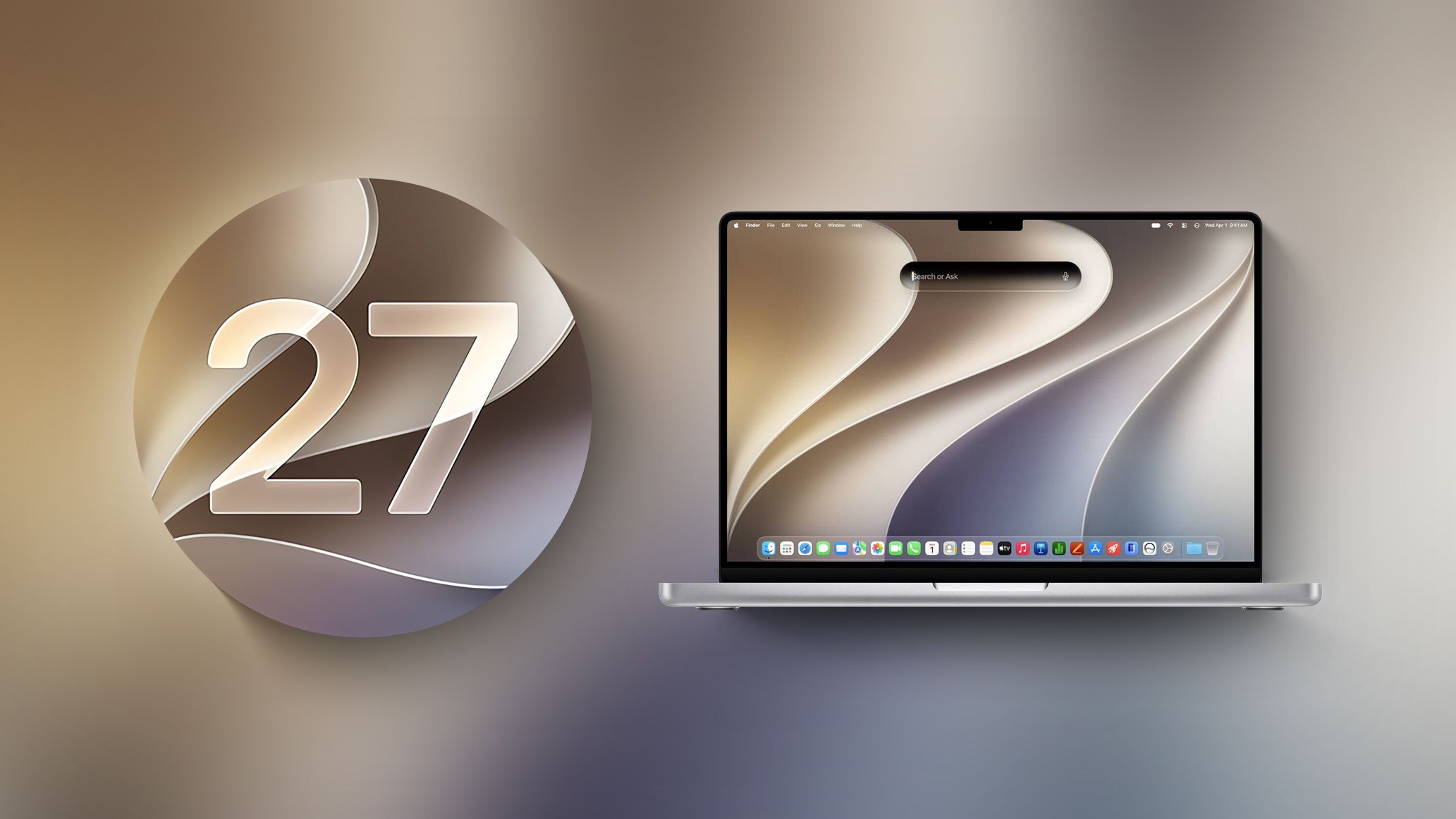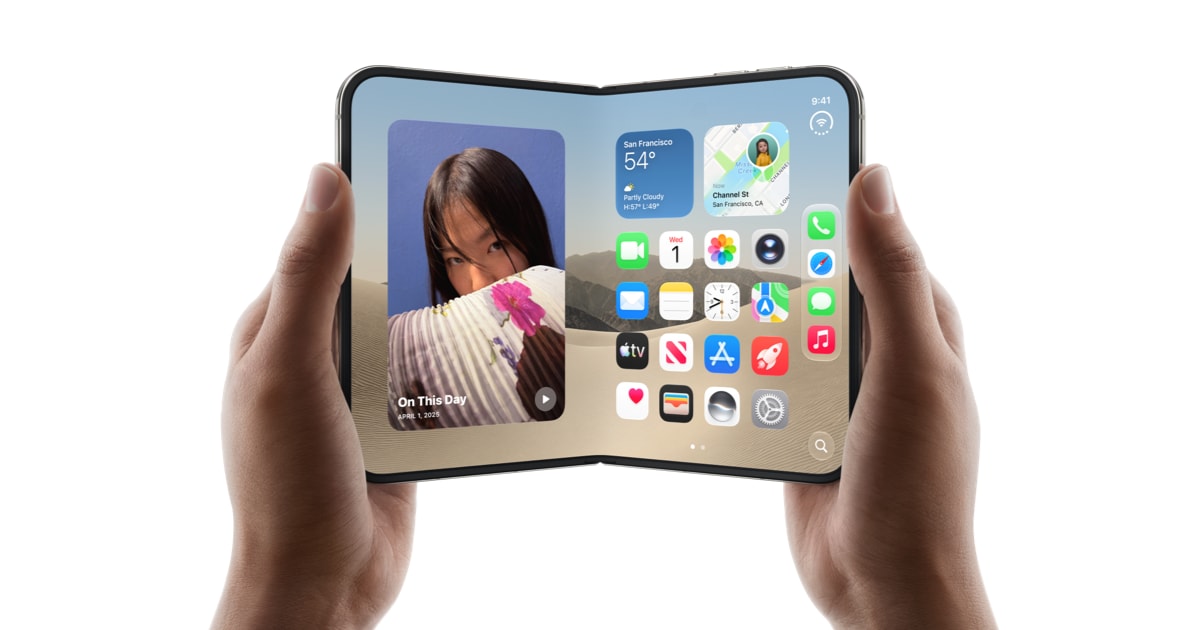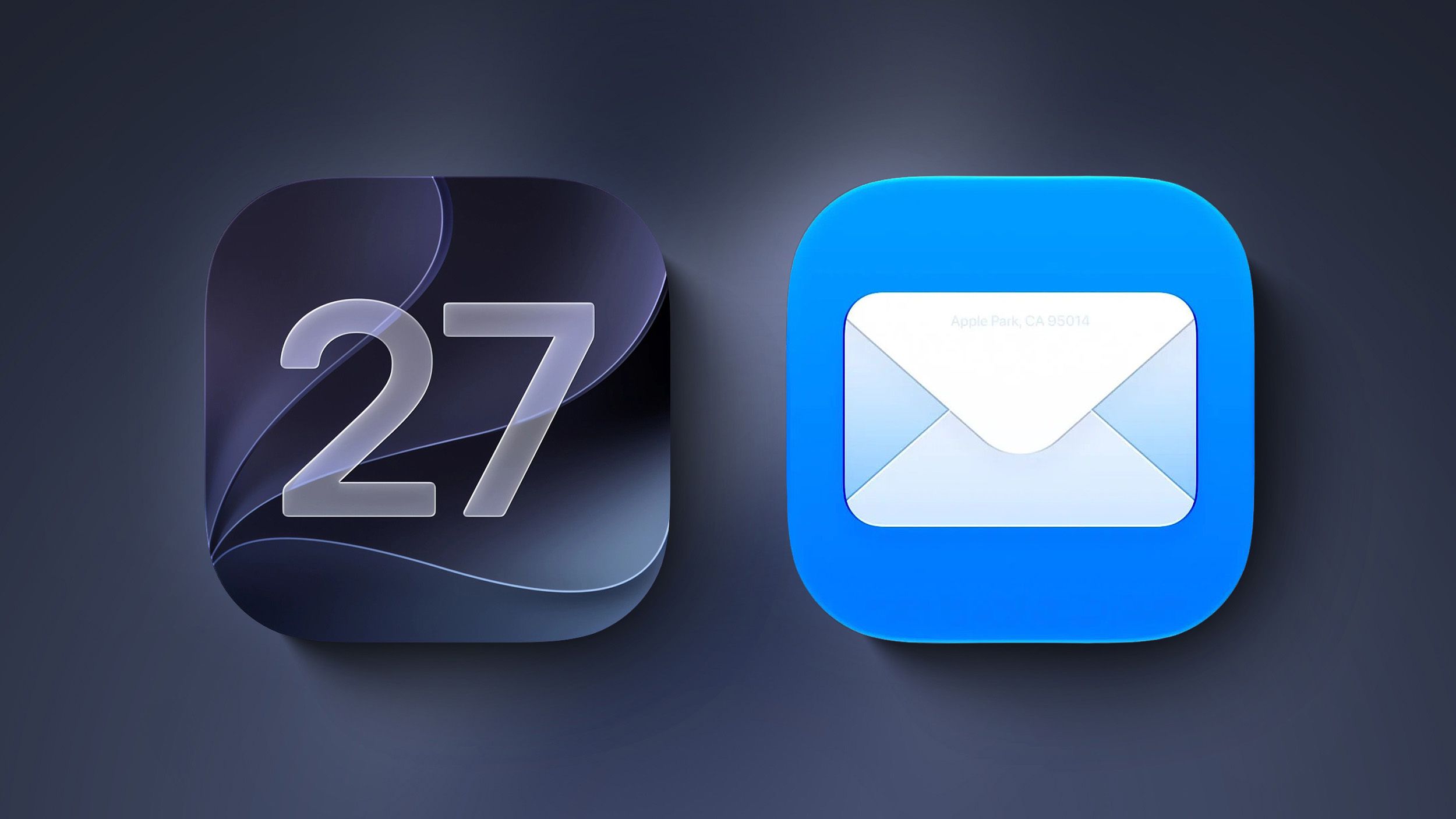
Apple’s next software wave is edging out of the developer-only phase, and the timing looks familiar. iOS 27 should get its first public beta in the middle of July, most likely on July 13 or 14, if Apple sticks to the pattern it has followed in recent years.
That matters because iOS 27 is no small tune-up. Apple unveiled it at WWDC in June, and since then the developer betas have arrived with almost metronomic regularity: beta 1 on June 8, beta 2 on June 22, and beta 3 on July 6. In most recent cycles, Apple has opened the door to public testers about a week after developer beta 3. Last year was the exception, when the company waited for beta 4 before releasing the public build, likely because of the big Liquid Glass redesign. This year, though, the software appears stable enough that a public rollout seems imminent.
That stability is a big reason the beta is drawing attention. Bloomberg’s Mark Gurman has said he’s been using the new build and described it as pretty solid for early software. Still, beta is beta. If your iPhone is the device you use for work, banking, travel, or any app that absolutely has to behave itself, you probably don’t want to be the enthusiastic first mover.
The public beta will also be the first chance for a lot more people to see how Apple is threading AI through the system. Siri is getting the biggest shake-up, with a more capable, more conversational version built around a standalone Siri app. Apple is also folding in features that push deeper into everyday tasks: smarter Mail search, better writing help, and more context-aware suggestions across the system.
Mail is a good example of where Apple is trying to make the software feel less like a pile of messages and more like a helpful assistant. Search now prioritizes relevance and intent instead of simple keyword matching, so if you’re hunting for an order confirmation, Apple wants the result you actually need to rise above all the marketing noise from the same retailer. Long-press an email and you can ask Siri to summarize it, extract a flight number, track a package, save a photo, or even delete messages from a specific sender. Apple is also adding Write with Siri, which can draft, reword, or polish email in your own voice, while matching your punctuation and tone closely enough that the result doesn’t read like a machine wrote it. That sort of tooling ties neatly into the bigger Siri redesign and app strategy, which looks like one of Apple’s clearest bets on making AI feel embedded rather than bolted on.
Elsewhere, Apple is trying to make iPhone software a little more useful in the ordinary, forgettable parts of life. Messages gets its own practical upgrades, including drawing tools for quick sketches. Photos is gaining AI-powered editing through Image Playground, which is moving beyond cartoonish generations and toward more photorealistic results. You’ll also be able to edit those images with follow-up prompts and more precise control over what changes where.
Apple hasn’t limited the changes to flashy AI features, either. In iOS 27, child safety gets a stronger role in Screen Time, with parents able to see the apps and websites their children are using, set more detailed schedules, and apply more granular controls. There are also practical improvements scattered across the system: organized Safari tabs, more accessible Shortcuts, and better photo tools. If you’ve been following Apple’s slower, more methodical software push this cycle, the emphasis is pretty clear — fewer grand gestures, more ways to make the phone feel sharper day to day.
That same approach shows up in the broader software family. watchOS 27 is adding health-focused features such as perimenopause and menopause support in Cycle Tracking, along with Workout Buddy improvements and more accurate indoor walk and run tracking. Apple is also syncing step counts more reliably between Health and Fitness. It’s a reminder that this year’s releases are as much about refinement as headline-grabbing reinvention, something Macworld’s roundup of July releases also captures well across Apple’s platform lineup.
There’s still one important caveat: availability. Some of the new AI-powered features in iOS 27 require Apple Intelligence-capable hardware, and Siri AI is not launching in the European Union or China. Contextual Suggestions will be English-only at first, too. So while the update may arrive for a wide range of iPhones, not everyone will get the same version of the experience on day one.
For users willing to try the public beta, the appeal is obvious. This looks like the first real opportunity to test Apple’s new AI layer before the fall release arrives with the next iPhones. For everyone else, the safer play is to watch the build mature over the summer and wait for the polished release in September, when the software should ship alongside Apple’s next hardware cycle.