Poco has built a habit around big numbers, and the X8 Pro Max takes that formula to the extreme. It ships with a 6.83-inch AMOLED panel, an enormous 8,500mAh battery, 100W wired charging, and MediaTek’s Dimensity 9500s at the helm. On paper, that sounds like a mid-range phone trying to cosplay as a flagship. In hand, it mostly feels like that too — just with a few reminders that the class gap still exists.
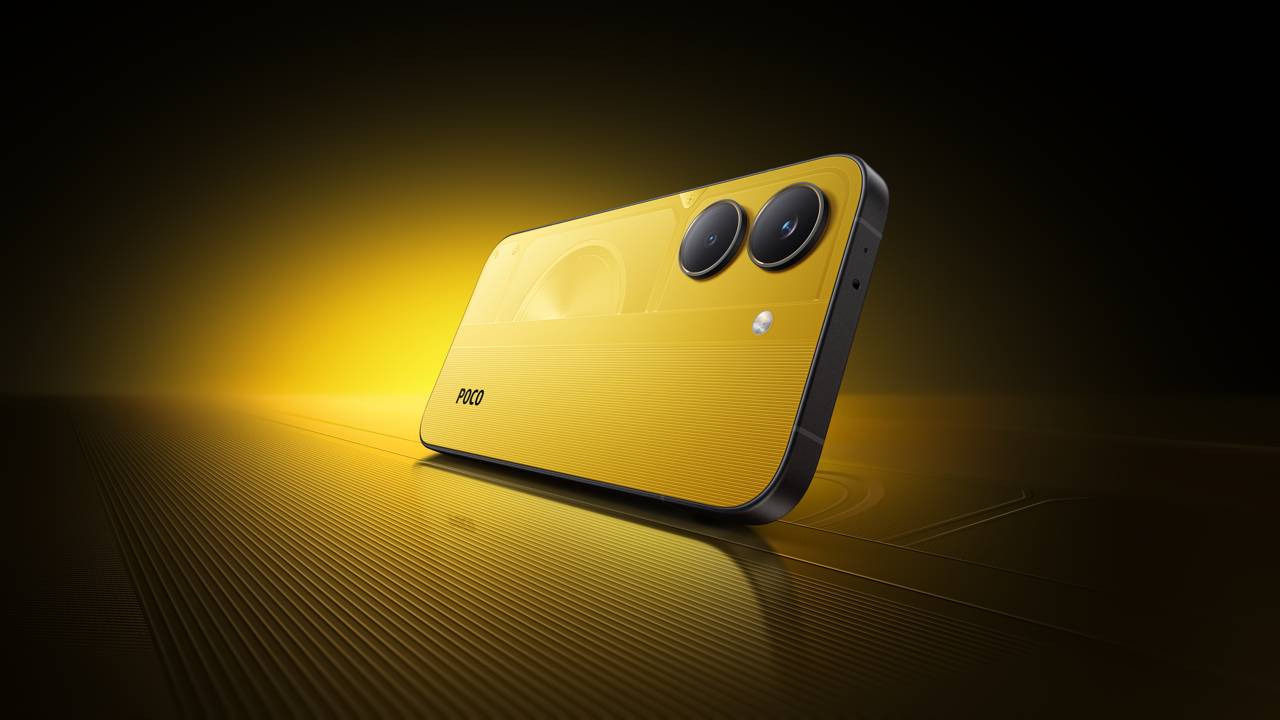
The most obvious thing about the phone is its size. At 218 grams, it is not trying to be subtle. The matte aluminum frame and glass back give it a more premium feel than many rivals at this price, and the IP68 rating helps the X8 Pro Max look a little less like a battery brick and a little more like a serious all-rounder. Poco has also leaned into personality here: the dual LED rings around the camera module can flash for notifications or pulse with music and gaming effects, giving the phone a bit of theatre that most slabs simply don’t bother with. That same idea of standing out carries over to the regular Poco X8 Pro in the series, although the Max version clearly aims higher.
A display built for late nights and bright sidewalks
The 6.83-inch AMOLED display is one of the easiest parts of the X8 Pro Max to recommend. It gets extremely bright outdoors, remains readable in harsh light, and shows off rich contrast and crisp detail. Xiaomi claims up to 3,500 nits of peak brightness, and Notebookcheck’s measurements on small bright areas came close to that figure. HDR content looks particularly strong, and the panel’s fast response times make it a comfortable match for gaming.
There is one catch: the display doesn’t use LTPO, and it relies on PWM dimming. The 3,840Hz figure is high enough to help, but Notebookcheck also detected a 120Hz base flicker component that could bother sensitive eyes at lower brightness. Most people will probably never notice. If you’re prone to eye strain, though, it’s worth flagging.
Poco’s design team deserves credit for not turning the phone into a blank rectangle. The red accents on the X8 Pro add some flair, while the Max swaps that restraint for the LED ring setup and a more muscular overall presence. It’s a device that wants attention, and for once that feels deliberate rather than try-hard.
Battery life is the real headline
The battery is the feature that shapes everything else. With 8,500mAh inside, the X8 Pro Max can go a long way without needing a charger, and in mixed use it comfortably stretches across a day and then some. Video playback and standby numbers are especially strong, and 100W charging gets it back on its feet in about an hour when conditions line up.
That said, the runtime story is not quite flawless. In real-world Wi-Fi browsing tests, the phone did not quite deliver the marathon result its capacity suggests. It was still very good, just not absurd. Think “excellent” rather than “battery miracle.” Even so, if you hate looking for a charger, this thing is very hard to annoy.
A large battery also changes the way the phone handles gaming and sustained workloads. The Dimensity 9500s gives it plenty of peak muscle, and in short bursts the X8 Pro Max clearly outruns the regular model. That gap shows up in CPU-heavy work, AI tasks, and graphics benchmarks. In games like Genshin Impact and PUBG Mobile, the phone can push high frame rates and handle demanding settings with confidence.
But there’s a sting in the tail. Under prolonged stress, the chip throttles hard. Temperatures rise well above 40°C on the surface, and benchmark stability numbers reveal sharp drops once the phone is pushed for a while. This is where the Max starts to feel less like a powerhouse and more like a phone that burns bright, then settles down to earth. The performance contrast with the Poco X8 Pro is real, but not always as dramatic in long gaming sessions as the specs suggest.
Fast chip, slow storage, awkward speaker tuning
There’s a frustrating pattern running through the X8 Pro Max: Xiaomi keeps giving it impressive hardware, then leaves a few odd bottlenecks in place. Storage is one of them. The phone uses UFS 4.1 flash, but actual read speeds lag behind what you’d expect from the spec sheet, likely because the Dimensity 9500s has reduced memory bandwidth. Day-to-day use doesn’t feel sluggish, but benchmark lovers will notice the mismatch.
Audio is another mixed bag. The dual speakers can get loud, but they sound confined and a bit muddy, with very little bass and some distortion creeping in as the volume climbs. If you watch a lot of video or game without headphones, that can take the edge off an otherwise cinematic display. It’s one of those details that sounds minor until you live with it for a week.
The software package is familiar Xiaomi territory: HyperOS 3 on Android 16, with useful features but also a fair amount of pre-installed third-party clutter and a sprinkling of ads inside Xiaomi apps. You can remove most of the bloat, which helps, but it still leaves the impression of a phone that is trying to earn flagship-like ambitions with mid-range software habits. That same tension has shown up across Xiaomi’s latest phones, including the regular Poco X8 Pro which offers a similar mix of strong hardware and software compromise.
Cameras are competent, not exciting
The camera setup gets the job done without ever stealing the show. The main 50MP sensor takes solid daylight shots with good color and detail, and it performs reasonably well after dark too. Digital zoom is usable at 2x, but quality falls off fast beyond that. The ultra-wide camera is clearly the weak link, with softer detail and visible edge distortion. There’s no optical zoom and no macro lens, which feels a little bare for a phone at this price.
Selfies are fine, if a touch oversharpened. Video tops out at 4K60, and stabilization is decent. Nothing here is bad enough to scare buyers away, but photography fans hoping for a sleeper camera hit will probably walk away disappointed.
That places the X8 Pro Max in an awkward spot: it has enough talent to satisfy most people, but not enough camera ambition to compete with the phones that make imaging their calling card. If that’s what you care about, a more camera-focused device like the Vivo X300 Ultra and X300s might be a better fit when they’re on your shortlist.
Poco clearly knows who this phone is for. It’s for the person who wants a giant battery, a bright screen, strong peak performance, and a bit of visual flair. It’s not for anyone chasing slimness, speaker quality, wireless charging, or a polished camera system. And yes, the omissions are noticeable: only USB 2.0, no wireless charging, and a 12-month warranty in some markets don’t exactly scream premium confidence.
Still, the X8 Pro Max leaves an impression. Not because it is perfect — it isn’t — but because it feels like a phone built around a very specific promise and mostly delivers on it. If you can live with the heat, the bloat, and the quirky compromises, it offers a lot of screen, a lot of battery, and a lot of speed for the money.