Flip phones are no longer a novelty and neither are AI-packed slabs. What you decide to carry in your pocket this year comes down to a simple personality test: do you want theater and tactile flair, or the most fully‑rounded flagship experience Samsung can pack into a thin bar?
Motorola's Razr Ultra 2026 and Samsung's Galaxy S26 Ultra answer that question in very different ways. One folds shut and gives you a 4-inch outer display for quick interactions; the other stays flat, slips an S Pen into its hull and adds software tricks that try to anticipate everything you’ll ask it to do. Both are heavy hitters on paper, but their compromises reveal who they’re for.
Design and first impressions
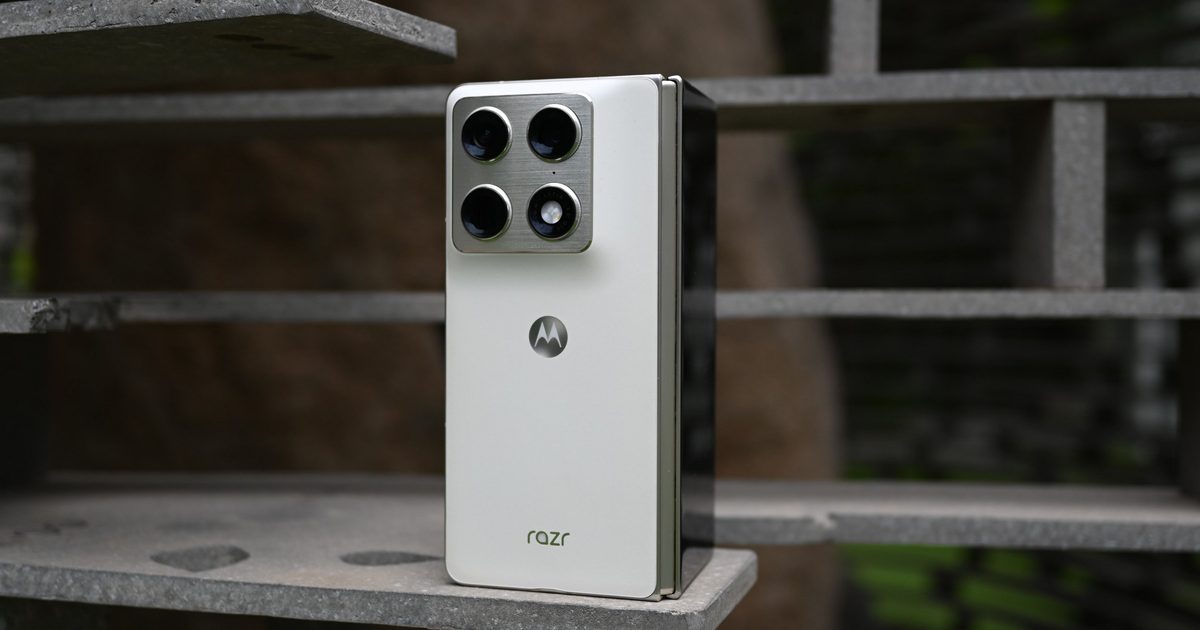
The Razr Ultra 2026 leans into fashion-forward details. Motorola kept the flip silhouette and boosted durability with Gorilla Glass Ceramic 3 and a titanium‑reinforced hinge. The inner display is a 7‑inch Extreme AMOLED panel running at 165Hz and — impressively — a claimed 5,000 nits peak. The 4‑inch cover display also runs at 165Hz and is usable for apps, widgets and camera previews without flipping the device open. It’s a phone that still prompts smiles when you close it.
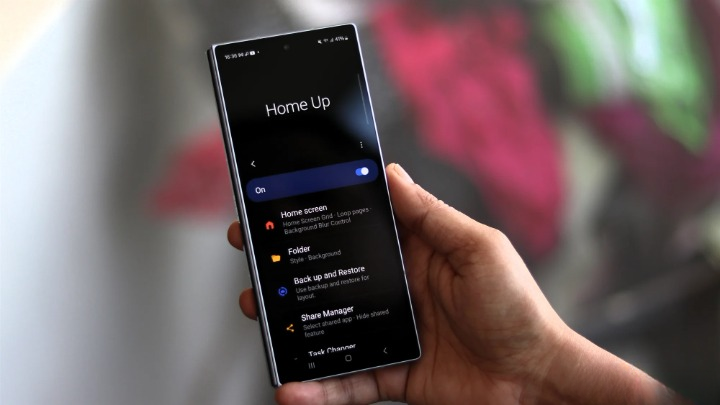
Samsung doubled down on a familiar playbook. The Galaxy S26 Ultra is a slim 6.9‑inch bar with QHD+ Dynamic AMOLED 2X, 120Hz refresh and up to 2,600 nits brightness. It’s classically plush: Armor Aluminum, Gorilla Glass and an IP68 seal. The built‑in S Pen and Samsung's privacy‑oriented display features are clear productivity hooks. If you prefer a one‑handable slab you can scribble on, this is the package.
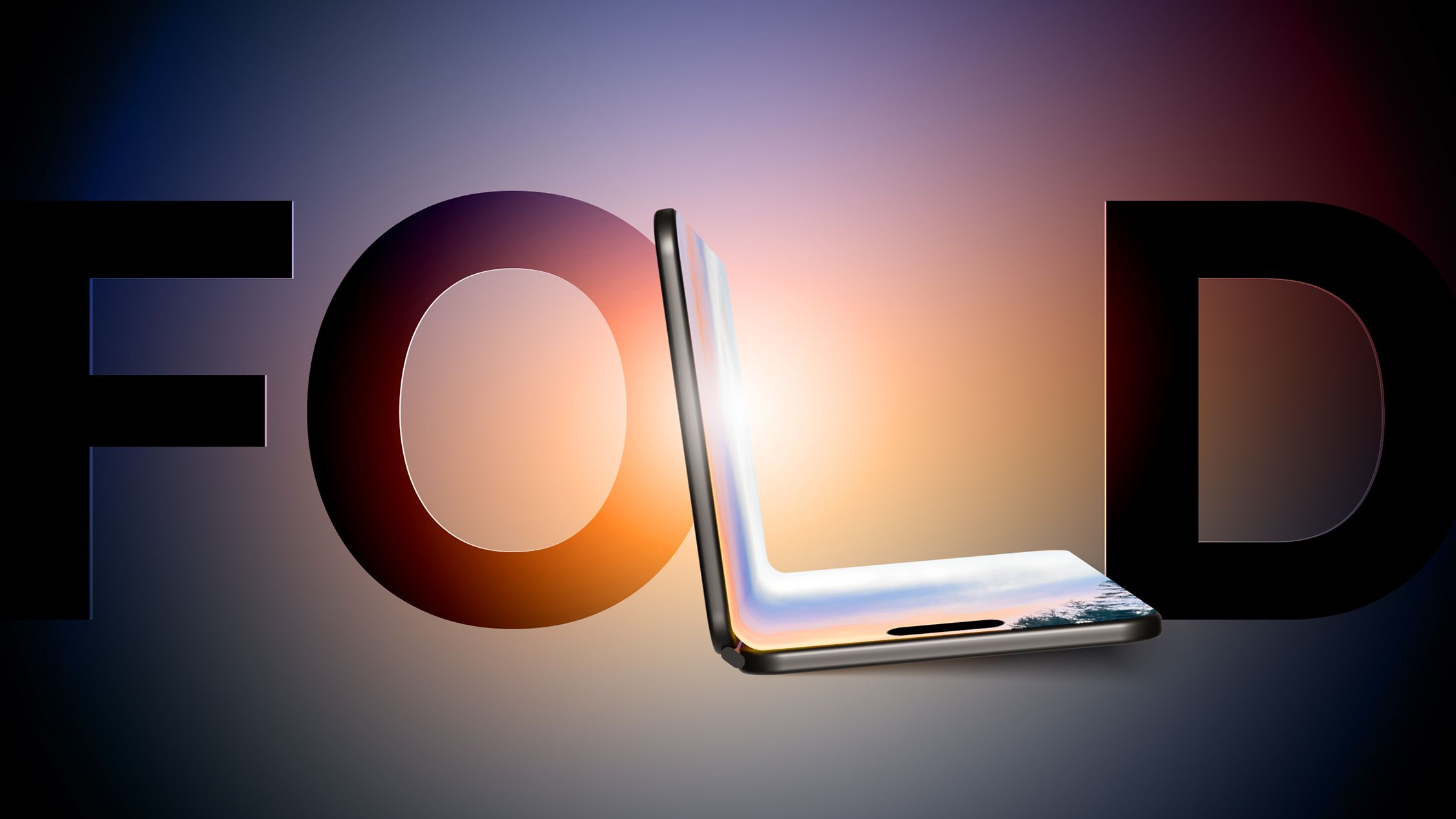
If you’re curious how the flip idea fits into Motorola’s broader strategy, there’s context in Motorola’s foldable plans and how the handset family is expanding — see the recent coverage about the Razr Fold preorders and specs.
Specs and real-world tradeoffs
Under the glass, both phones run Android 16 and carry high‑end silicon, but the flavors differ. Motorola chose a Snapdragon 8 Elite (the same chipset as last year’s Razr Ultra), with a slightly overclocked top CPU frequency on the Ultra 2026. It pairs with 16GB RAM and 256GB/512GB storage options. Battery capacity is a generous 5,000mAh with 68W wired charging and 30W wireless — and Motorola claims a rapid top‑up that’s useful if you’re out and about.
Samsung equips the S26 Ultra with the Snapdragon 8 Elite Gen 5 for Galaxy (or equivalent Exynos in some regions), up to 16GB RAM (on the 1TB model) and the same 5,000mAh cell, but with a 60W wired ceiling and up to 25W wireless. Samsung also pushes a large vapor chamber for cooling — a small but meaningful advantage if you game hard.
Software support is another practical difference: Motorola offers three years of platform updates and five years of security patches, while Samsung promises seven years of software and security maintenance. Over the life of a $1,000+ phone, that matters.
Cameras and AI: two approaches to smart imaging
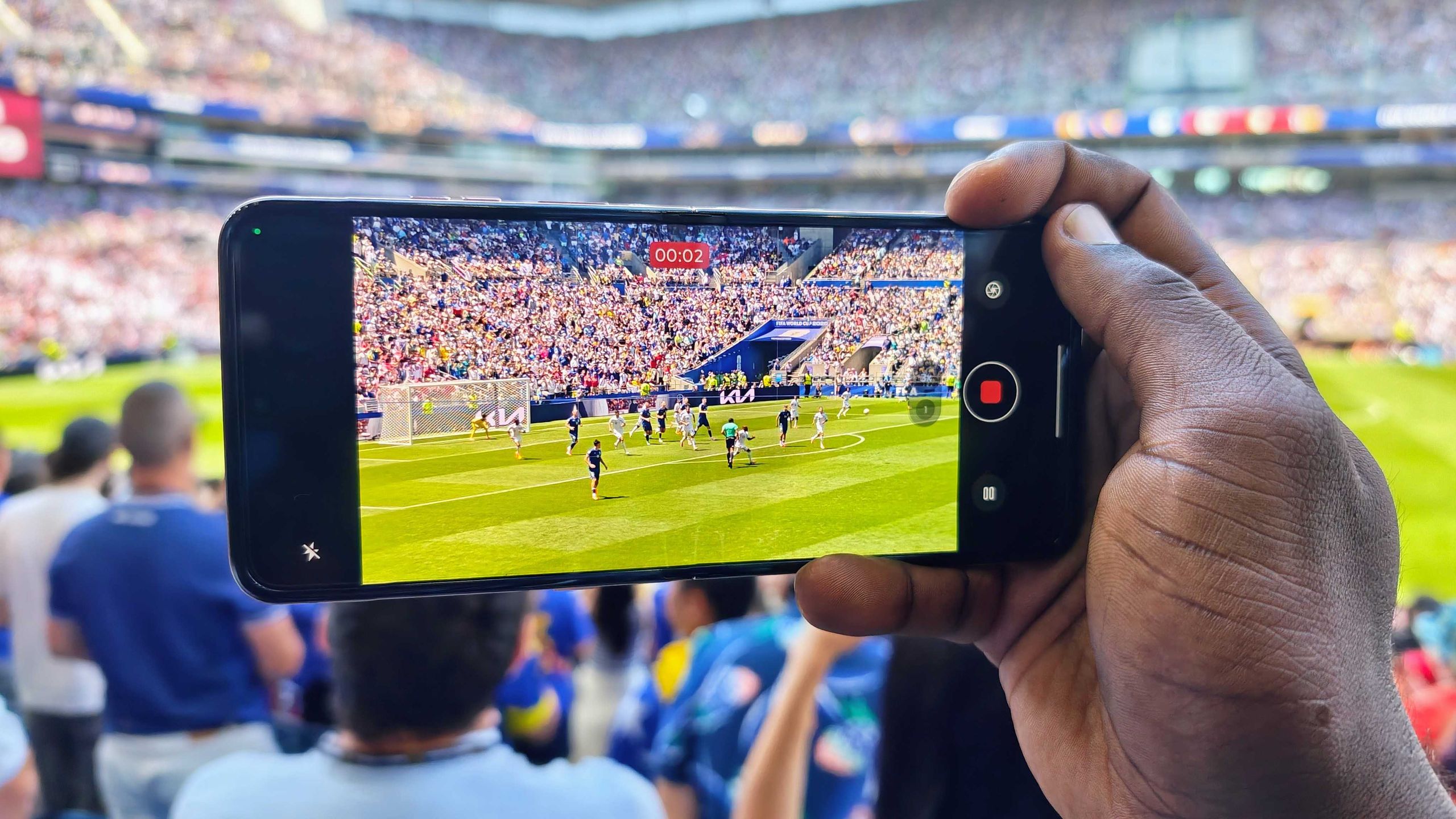
Motorola’s camera sheet is interesting because it doubles down on 50MP sensors — a 50MP main LOFIC sensor (promised to expand dynamic range), a 50MP ultra‑wide with macro vision and a 50MP internal camera. The flip form factor unlocks creative modes: Flex View tripod shots, front‑screen previews for mirrorless‑style selfies, and stitching tricks for group portraits. Moto AI and the integration of Google Gemini and other assistants bring features like Signature Style editing and frame match, which is handy when you want consistent results across shots.
Samsung uses a more traditional multi‑sensor array: a 200MP main, 50MP ultra‑wide, a 50MP periscope telephoto (5x), a 10MP telephoto (3x) and a 12MP front camera. In practice the S26 Ultra produces natural, dependable images rather than headline‑grabbing miracles. Where Samsung shines is in software tools: Super Steady Video with Horizontal Lock, Photo Assist for heavy editing prompts and privacy‑minded camera controls that integrate with the system. If you care about on‑device photo editing and cinematic stabilization, the S26 Ultra’s software often wins the day — and its Privacy Display feature is worth reading up on for users who worry about shoulder‑surfing Privacy Display.
Price, accessories and the ecosystem
Motorola’s Razr Ultra 2026 starts high — roughly $1,500 in the US — up about $200 from last year’s Ultra. The company also refreshed the broader Razr lineup (Razr 70 and Razr 70+), with the vanilla Razr 2026 pricing closer to the midrange end of the foldable spectrum, per coverage of the new Razr models. That places the Ultra in premium territory and raises expectations for meaningful upgrades beyond cosmetics.
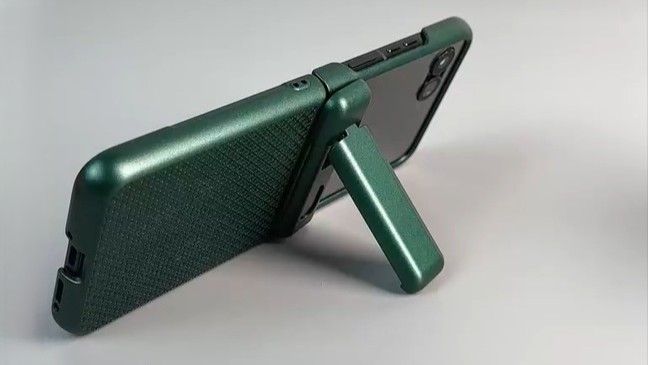
Accessories are an early pain point. At launch there aren’t many third‑party cases and screen guards made specifically for the 2026 Razr, but many 2025 accessories fit because dimensions stayed the same. Motorola’s own premium case and a handful of third‑party options are starting to trickle out, some with hinge protection and built‑in stands — useful if you use Flex View a lot.
Samsung’s broader ecosystem — Galaxy Buds, tablets, Dex and the S Pen workflows — remains a tangible advantage for buyers already invested in the brand. Plus, the longer update window stretches the effective lifespan of the phone.
So which should you carry?
If you want something that still turns heads, lives in a jacket pocket and gives you novel ways to shoot and interact, the Razr Ultra 2026 offers immediate charm and clever hardware. But the flip comes with tradeoffs: the chipset choice isn’t the newest of the year, software support is shorter, and the price is high for an iterative update.
If you want a no‑compromise flagship that leans into productivity, AI features and longer software support, the Galaxy S26 Ultra is the steadier choice — especially if you value in‑phone editing, video stabilization and the S Pen workflow.
Neither is a bad phone. They simply ask you to admit a preference: wow factor or full‑spectrum flagship polish. If you want to see how Motorola’s foldable story is evolving beyond the Razr Ultra, there’s a broader view of the company’s foldable ambitions and lineup in recent coverage on Motorola’s folding strategy and the Razr family evolution (Motorola Razr Gambit Style Savings Fold 2026).
Pick the one that matches how you use a phone every day — then enjoy the fact that both companies are pushing hardware and software in interesting directions.