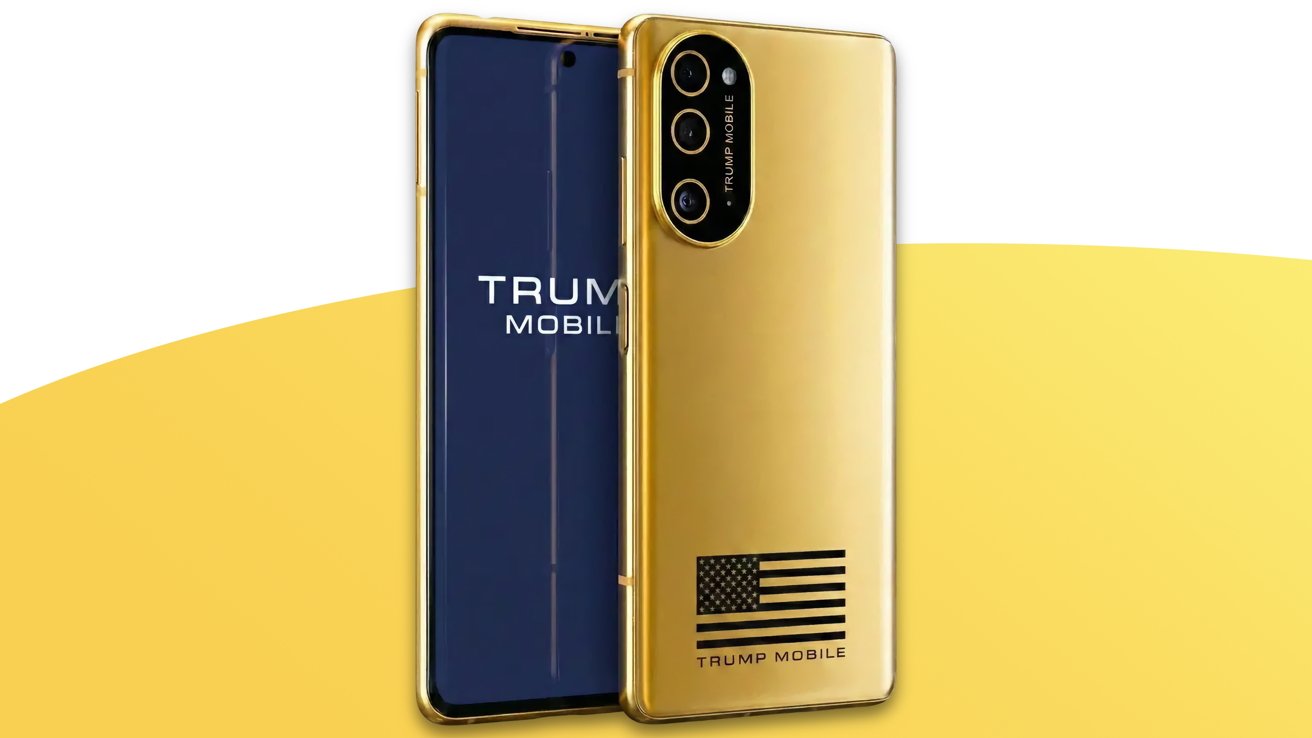
When the Trump family unveiled a gold‑finished smartphone and a lobby of MAGA branding in June 2025, it felt like a product launch and a rally rolled into one. Donald Trump Jr. and Eric Trump promised a $499 flagship that would be an alternative to Apple and Samsung — and roughly 590,000 people put down $100 deposits to reserve one.
Nearly a year later, not a single confirmed customer has reported receiving the T1. The company’s website no longer lists a release date. Promises have slipped from late summer 2025 to winter, then spring, and finally into an ambiguous “join the waitlist.” Meanwhile, depositors are left with little more than a confirmation email and growing frustration.
What buyers paid — and what the fine print actually says
The math is blunt: 590,000 deposits at $100 apiece is roughly $59 million collected up front. That money, in many cases, bought nothing beyond a position on a virtual queue. Trump Mobile’s terms of service, quietly updated earlier this year, make that clear: a preorder deposit “does not guarantee that a Device will be produced or made available for purchase.” Deposits don’t lock price or specs, don’t reserve inventory, and—critically—may only convert into a credit if the phone ever goes on sale.
That language gives the company latitude to delay, change the product or cancel entirely while obligating it only to refund original deposits if it chooses to do so. The TOS also shields the company from liability for delays attributed to supply chain hiccups or regulatory holds, and it does not promise that any device will work on a given carrier.
Customers who have tried to chase answers describe long waits on support lines, shifting ship dates and confirmation emails that never led to delivery notifications. Journalists who placed test deposits reported inconsistent charges and missing shipping details. On social platforms like TikTok and X, buyers — some of them vocal supporters — have posted angry videos asking, bluntly, “Where’s my phone?”
From “Made in the USA” to marketing language
The T1’s early pitch leaned heavily on patriotism. Marketing materials initially boasted the phone was “Made in America,” a claim that disappeared from the website within days and was replaced with softer language: products “brought to life right here in the USA” or “designed with American values.” That change prompted skepticism online, where tech sleuths argued the T1 looked like a rebadged midrange Android handset likely sourced overseas.
That debate matters because the “Made in USA” positioning was central to the device’s appeal for many buyers. For others, the purchase was as much about identity as hardware — a way to signal political allegiance through a piece of everyday tech. In that sense the T1 functioned less like a competitive flagship and more like a political collectible with an attached cellular plan.
Pressure from regulators and politicians
The delays and the trimmed claims have not gone unnoticed on Capitol Hill. Senator Elizabeth Warren and other Democratic lawmakers wrote to the Federal Trade Commission in January asking the agency to probe possible “bait‑and‑switch” tactics and false advertising around the product. As of May 2026, the FTC has not publicly confirmed an investigation.
Even without regulatory action, plaintiffs’ lawyers and consumer advocates are watching. The combination of large sums collected up front, shifting promises and a terms document that preserves company flexibility is a classic flashpoint for disputes over preorders and refunds.
Why this matters beyond one product
Branded tech launches by nontraditional players are becoming more common: corporations and celebrities see products as both revenue streams and identity markers. That broader trend helps explain interest in ventures like this, and it also explains why delayed or canceled launches draw outsized attention. For context on how device launches can get reworked after initial fanfare, see how other industry attempts have been repositioned or redesigned in the market, including the recent resurfacing of Trump Mobile’s own product pitch in a refreshed form Trump Mobile's T1 Gets a Glow‑Up — But Questions Linger. Branded hardware experiments also echo moves by major companies such as Amazon’s Transformer Phone experiment, which showed how corporate strategies shape device ambitions more than engineering breakthroughs.
What depositors can do now
If you’re one of the people waiting: check the Trump Mobile account you used to place the preorder for any cancellation options. The terms indicate depositors can request cancellation before a sale is completed, and the company says refunds are possible if it cancels the product. Consumers who hit roadblocks should consider contacting their bank or credit card company about disputing charges and filing complaints with the FTC or local consumer protection offices.
The T1 saga is equal parts product launch, political branding and customer service test. For hundreds of thousands of buyers it has become an expensive lesson in the difference between a preorder and a purchase, and a reminder that patriotism, marketing and consumer rights don’t always line up neatly.
Whether the T1 ever ships as promised, returns as a redesigned device, or quietly evaporates, the story has already done its work: it turned a smartphone into a symbol — and left a lot of people still holding the bill.