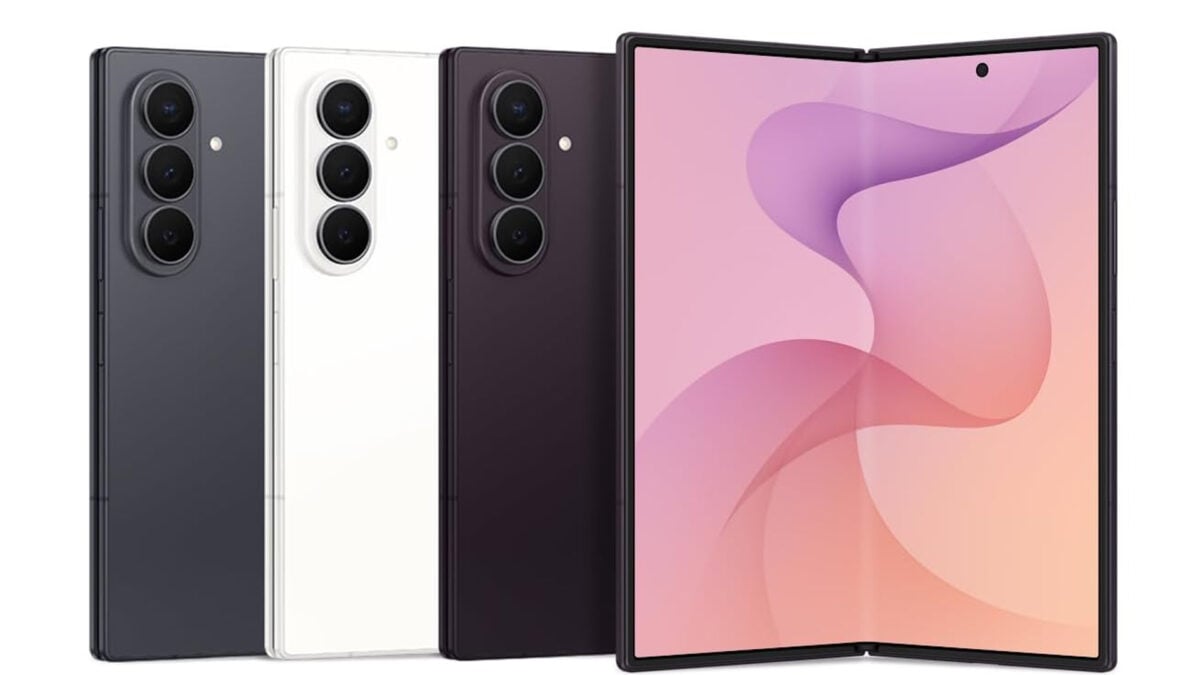
Samsung’s new foldables are already doing something the company has struggled to pull off for years: making people argue less about specs and more about shape.
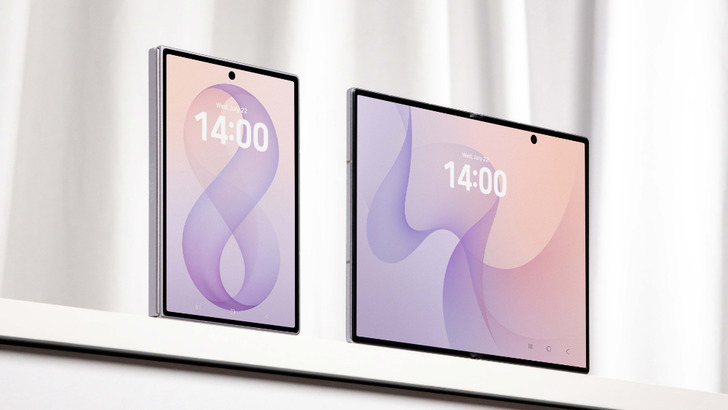
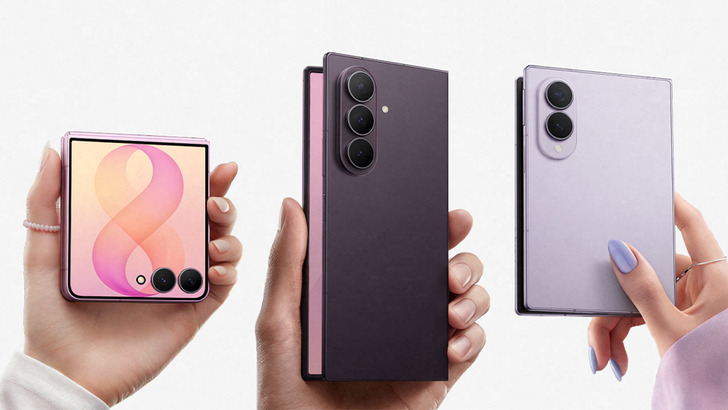
That sounds minor until you actually look at the new lineup. The Galaxy Z Fold 8 has gone wide and squat, the Galaxy Z Fold 8 Ultra sticks closer to the old-school tall foldable formula, and buyers are reacting strongly enough that Samsung’s pricing is already shifting. Deals from Samsung and Amazon are shaving $300 off the new phones, while trade-ins can knock even more off the price — a sign that the company is leaning hard into its biggest design reset in years.
On the surface, the headline is simple: the Galaxy Z Fold 8 Ultra is already getting its first major price cut, and the standard Z Fold 8 isn’t far behind in savings. But the more interesting story is why this is happening so soon after launch. Samsung appears to have split its foldable lineup into two very different philosophies. One is built for classic foldable fans who want a tall outer screen and Flex Mode-style use. The other is a bolder rethink, with a cover display that feels closer to a regular phone and an inner screen that opens into something much more tablet-like.
That new shape may be the real selling point. In a detailed comparison with the older Z Fold 5, Android Police found that the newer Fold’s proportions make everyday use feel far more natural. The cover display is wider and easier to live with, and once the device opens, video and reading content line up without the awkward rotation dance older Samsung foldables often demanded. The older Fold 5 may not look dramatically different at first glance, but the new wide model shows how much Samsung’s old proportions had been holding the experience back.
The trade-offs are real, though. Samsung has reportedly left Flex Mode behind on the standard Z Fold 8, and that will matter to some buyers. If you liked propping your phone halfway open for split-screen controls, media playback, or the virtual trackpad tricks Samsung has long baked into One UI, the Ultra is the model that preserves that behavior. The regular Fold takes a different route: its new hinge is designed to snap into place near the end of the opening motion, making it easier and faster to unfold. In practical terms, it invites you to use the big screen more often.
That design choice seems to be paying off. One reviewer described tent mode — essentially using the phone like a little tabletop stand — as a perfectly workable replacement for Flex Mode in most situations. It lacks the software flourishes, but it also feels more stable and less fiddly, especially on a device with a large camera bump. Samsung may have given up one signature feature, but it gained something arguably more valuable: a foldable that people actually want to open.
This is where the discounts get telling. Amazon is offering the Galaxy Z Fold8 Ultra at a record low, with the 256GB version down $300 to $1,800 and the 512GB model also down $300 to $2,000. That makes the Ultra cheaper than the standard Z Fold 8 in some configurations, which is not the kind of pricing structure Samsung usually wants lingering in public for long. TechRadar spotted the same pattern on Samsung’s own store, where upfront discounts and trade-in deals are pushing the new foldables into unusually aggressive territory.
It’s hard not to read that as Samsung quietly nudging customers toward the more traditional Ultra while the new wide Fold finds its audience on design alone. That’s a pretty unusual position for a brand-new foldable to be in, especially one that’s supposed to be Samsung’s mainstream hero model.
And yet, that may be the point. Samsung’s wider Fold is clearly aimed at people who never quite warmed to the tall, narrow formula. It’s also the model that feels most like a genuine rethink rather than a simple yearly refresh. The Ultra still looks and behaves more like the foldables Samsung has trained customers to expect. The standard Fold is the one taking the risk — and, at least from the early hands-on reactions, it may be the one with the stronger personality.
That’s probably why these early discounts matter more than usual. They’re not just price cuts. They’re a hint that Samsung is testing two different kinds of foldable appeal at once: familiarity on one side, reinvention on the other. For shoppers, that means there are real choices now. For Samsung, it means the foldable category has finally gotten interesting again.
If you’re comparing models, it’s also worth keeping an eye on Samsung’s wider ecosystem around the launch. The company’s Galaxy S26 lineup has been getting similar promotional treatment, and Samsung’s broader push around privacy and display changes suggests this isn’t just a foldable experiment in isolation. The company seems to be reworking its premium phones from the inside out, one odd-shaped slab at a time.