Google’s Pixel 11 Pro is the kind of phone that makes you forgive a lot the moment you open the camera app.
That’s the short version. The longer one is messier: it starts at $1,099, carries a chunkier camera bar than last year’s model, trims RAM on the base storage tier, and ships with a flashy little light strip called HiLight that feels more like a demo feature than a reason to buy the phone. Yet none of that stops the Pixel 11 Pro from being one of the easiest Android phones to recommend in 2026 if photography matters to you.
The camera is still the reason
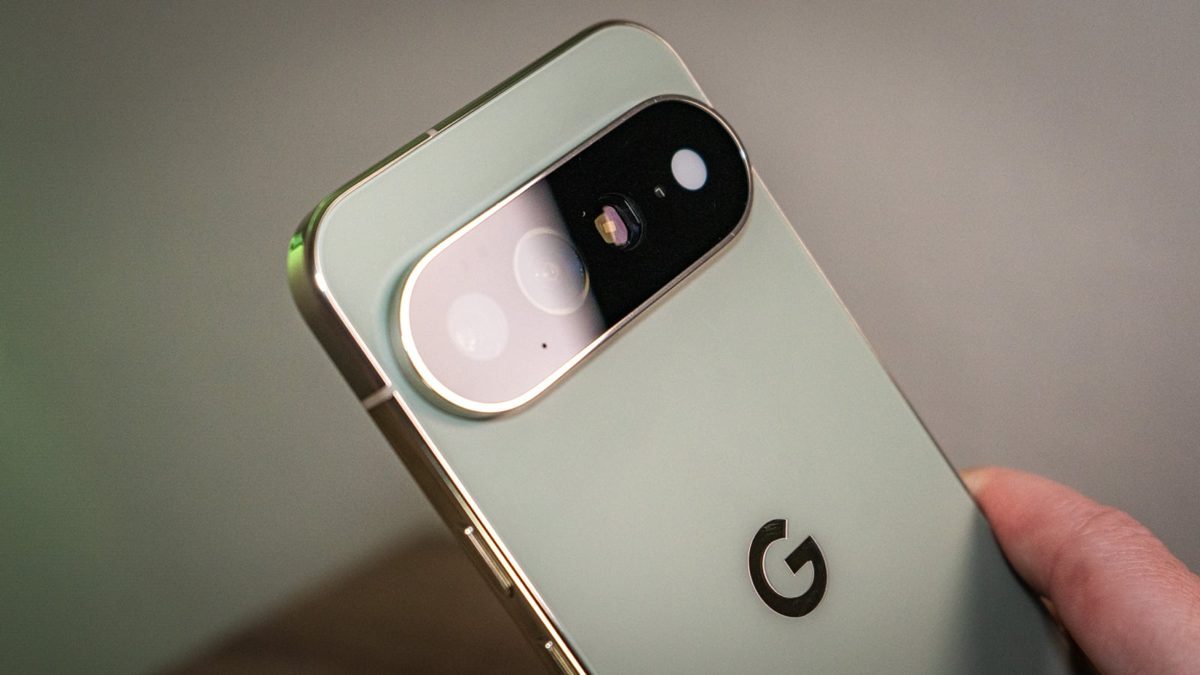
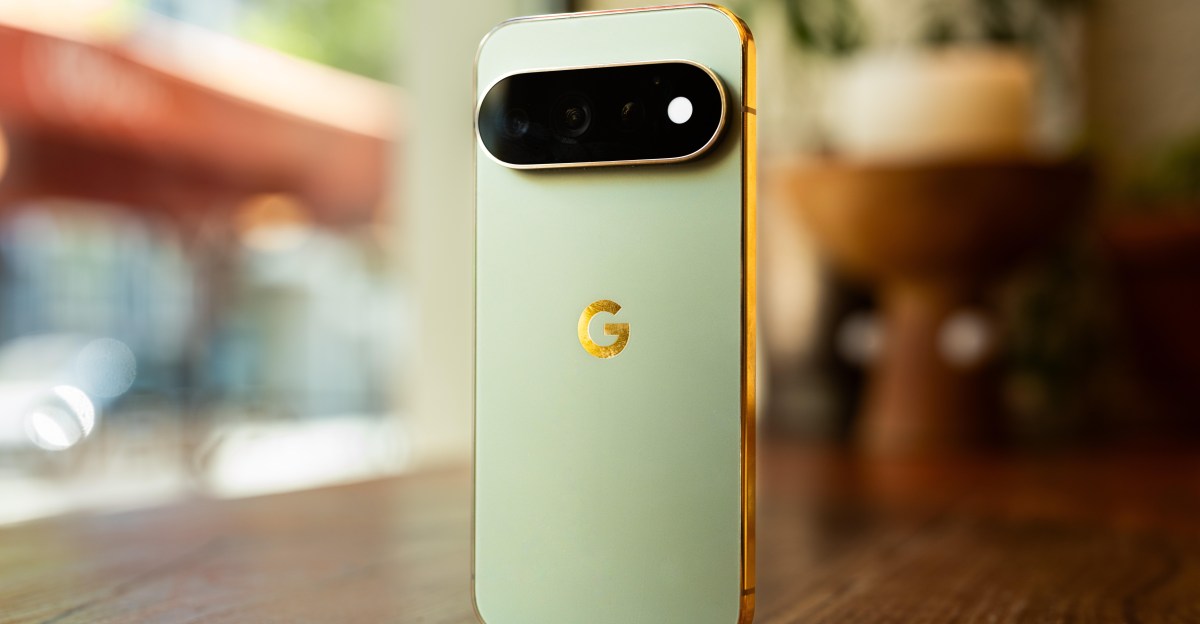
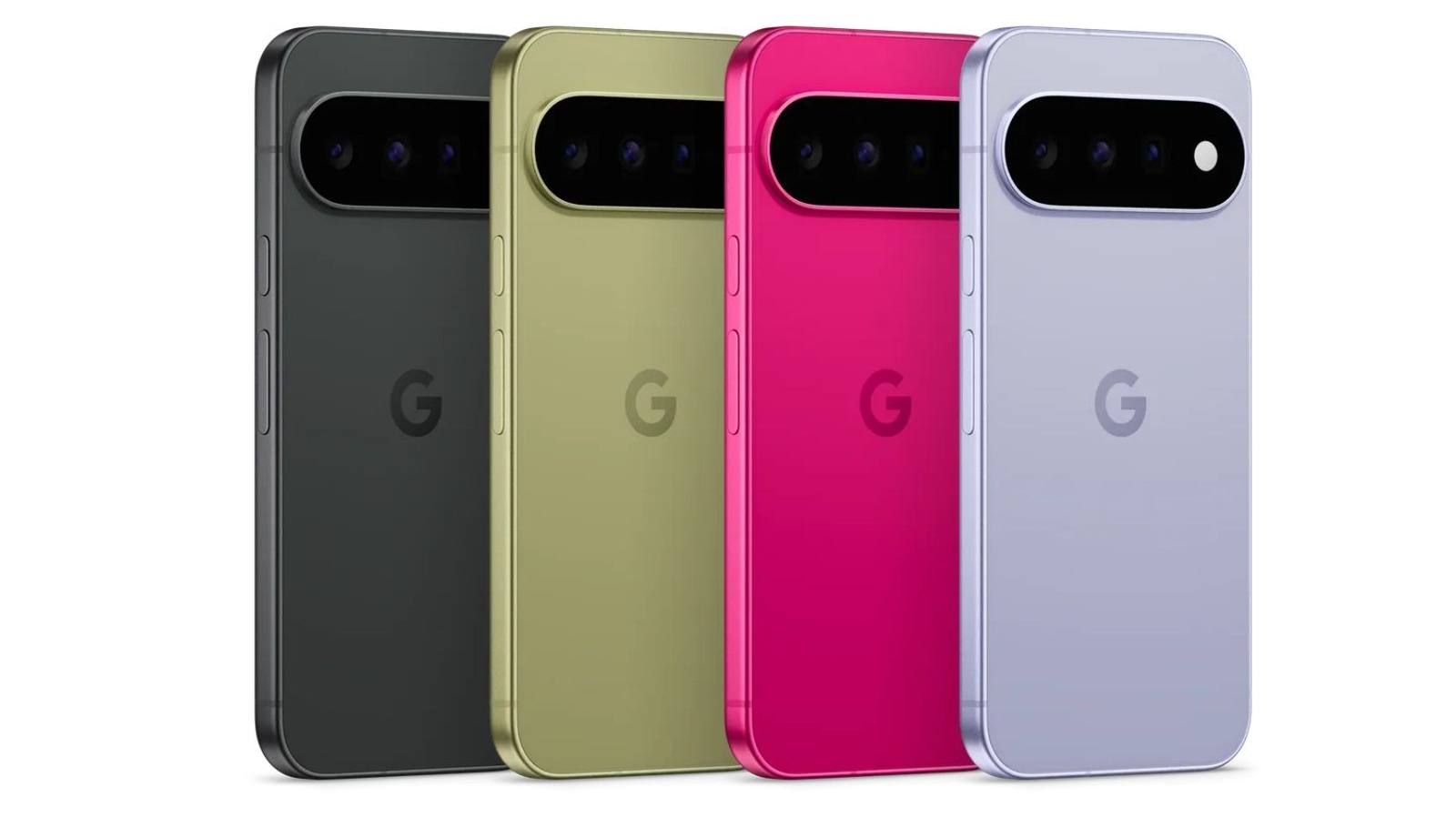
Google kept the hardware story fairly conservative here. The Pixel 11 Pro uses a 50MP main camera, 48MP ultrawide and 48MP telephoto with 5x optical zoom. On paper, that doesn’t look like a huge leap over the Pixel 10 Pro, and in some ways it isn’t. But Google’s image processing keeps doing the thing it does best: producing shots that look sharp, bright and pleasing without demanding much effort from the person holding the phone.
In real-world use, that showed up in the usual places. Night shots looked cleaner than they had any right to. Macro photos had plenty of texture. And the long zoom remains the party trick that never quite gets old. Google says digital zoom now stretches to 120x, which sounds absurd until you see a distant subject pop into something almost usable. It’s not magic, but it’s close enough to feel like it.
That strength in zoom also gives Google an edge over Apple in some cases. In CNET’s Delhi camera comparison between the Pixel 11 Pro and iPhone 17 Pro, Google’s phone came away looking more vivid and better at holding detail in tricky scenes. Apple leaned more natural; Google leaned more dramatic. Depending on your taste, that’s either a win or a little too much processing. For a lot of people, though, the Pixel’s photos are simply more social-media-ready straight out of the phone.
The camera software helps as much as the hardware. Magic Capture, one of the more genuinely useful new AI features, can turn a short video clip into a set of sharp stills after the fact. That sounds gimmicky until you try catching a moving pet, a kid, or, in Mashable’s testing, a particularly uncooperative pigeon. The feature doesn’t try to invent reality. It just gives you a better shot at keeping it.
The new hardware bits are a mixed bag
HiLight is the part Google clearly wanted people talking about. It’s a small light built into the camera bar that’s meant to glow when Gemini is active or when a call comes in. In practice, it’s easy to ignore. Useful? Sure, in theory. Essential? Not remotely.
That makes the Pixel 11 Pro feel a bit oddly balanced. Google has improved brightness on the display, nudging peak output to 3,600 nits, so outdoor visibility is excellent. Performance is solid too, even if benchmark scores don’t always flatter Tensor chips. Day-to-day, the phone is fast, responsive and good at handling on-device AI tasks without drama.
Battery life lands where Google says it should, with roughly 30 hours in testing depending on how you use it. That’s enough for a full day and then some, which is exactly where a flagship should be.
The annoyance is that Google also managed to make the entry model feel slightly less generous than before. If you buy the 256GB version, you get 12GB of RAM, not 16GB like last year’s equivalent. It’s not a deal-breaker for most people, but it is the kind of spec cut that sticks in your craw when the price has gone up.
Why the Pixel 11 Pro still wins over the cheaper options
If the Pixel 11 Pro feels expensive, that’s because it is. But Google’s own Pixel 10 lineup is suddenly much cheaper, and the broader Android market gives buyers a lot of escape hatches. A discounted Pixel 10, for example, still offers a very familiar Pixel experience for far less money. Samsung’s Galaxy S25 family remains another strong option for people who want premium Android without paying fresh-flagship pricing.
That said, the Pixel 11 Pro earns its higher ask by being the most consistently enjoyable camera phone in Google’s lineup. It’s not the flashiest handset. It doesn’t have the biggest battery, the wildest charging speeds or the most attention-grabbing gimmick. But it’s the phone that reliably makes good pictures, which is still the thing most people will notice every single day.
If you’re comparing it with the regular Pixel 11, the Pro also has the stronger reason to exist. The base model is fine. The Pro is the one that feels like Google actually saved the best stuff for.
And if you’re looking beyond Google entirely, there are plenty of alternatives worth a look. A previous-gen flagship like the Galaxy S25 can be a smarter buy, especially once discounts kick in. Power users may prefer a battery-heavy phone such as the OnePlus 15R, while gamers might be tempted by the RedMagic 11 Pro and its wild cooling setup. Those phones all make different compromises. The Pixel 11 Pro’s compromise is simpler: you pay more, but you get one of the best point-and-shoot camera experiences available on Android.
That’s also why Google’s phone ends up feeling more complete than devices that chase a single spec. Motorola’s Edge 2026 can beat it on weight, brightness and price, but not on camera consistency or software support. Samsung can match it in polish and ecosystem depth, but the Pixel still has the cleaner photo pipeline and the more playful, useful image tools.
The Pixel 11 Pro isn’t trying to be the loudest phone in the room. It’s trying to be the one you reach for when the light is bad, the subject is moving and you don’t want to think too hard. In 2026, that’s still a very good reason to buy a flagship.