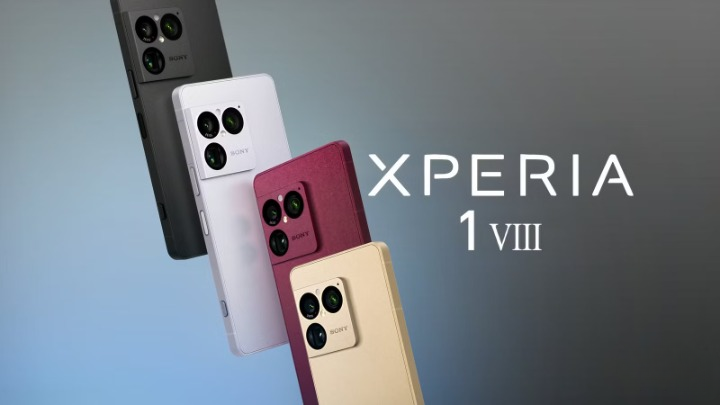
Sony hasn't quietly iterated this time. The Xperia 1 VIII arrives with a clean redesign, a photography-first feature set and a price that underlines how niche the handset still is.
A fresh face, familiar DNA
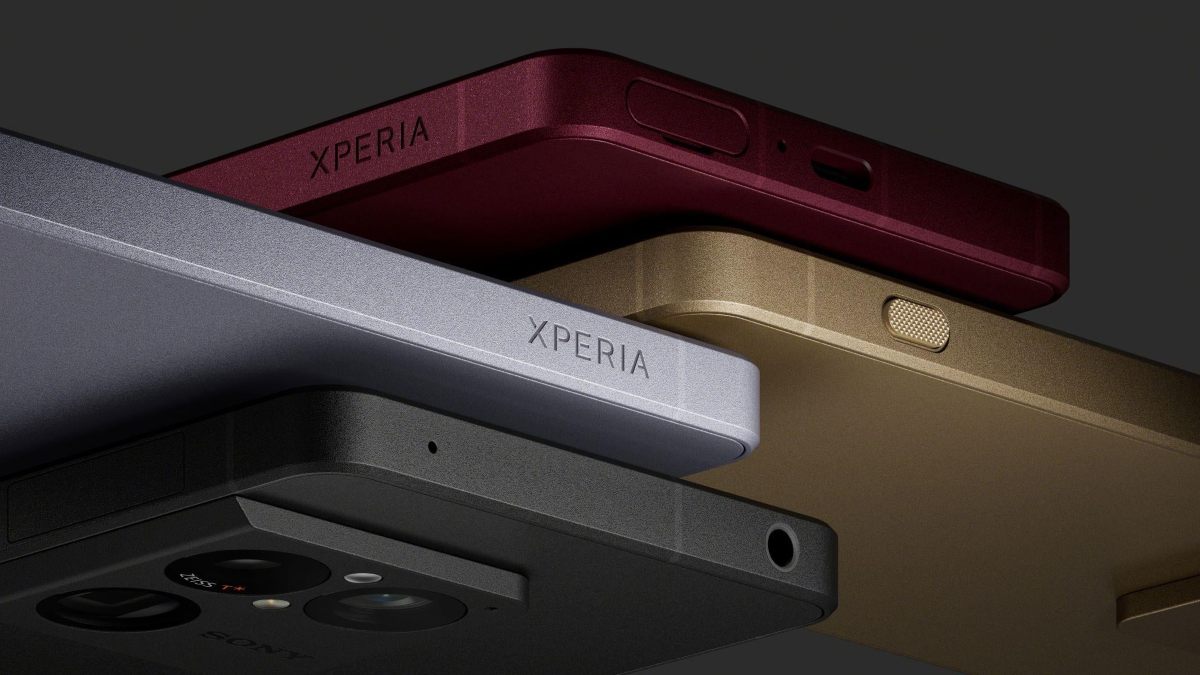
At a glance the new Xperia keeps some classic cues — tall aspect ratio, roomy top and bottom bezels that house front-facing stereo speakers, and a knurled two-stage shutter button — but the rear now sports a square camera island that sits off the top-left corner. Sony calls the finish part of its “Ore” design language: textured glass that looks and feels a little like rough stone. Color options include Graphite Black, Iolite Silver, Garnet Red and a Native Gold that’s exclusive to the 1TB model.
Under the hood the phone is class-competitive: a 6.5-inch FHD+ LTPO AMOLED display with a 120Hz adaptive refresh rate, Qualcomm’s Snapdragon 8 Elite Gen 5, and configurations with 12GB/256GB or 16GB/1TB (plus microSD expansion). Yes, Sony kept the microSD slot and the 3.5mm headphone jack — two features almost every other flagship has abandoned — alongside IP65/IP68 resistance and the company’s usual attention to manual camera controls.
Cameras and AI that aim to help photographers
Sony is pushing this as a tool for creators rather than a purely automatic point-and-shoot. The rear setup moves to larger sensors across the board: 48MP main, 48MP ultrawide, and a notably bigger 48MP telephoto module built around a 1/1.56-type Exmor RS sensor. Sony says that telephoto sensor is roughly four times larger than the one in the previous model, giving it stronger low-light performance and cleaner detail when you zoom. The telephoto covers roughly 70mm and 140mm equivalents (with telemacro support and autofocus), which are useful focal lengths for portraits and detail work that many phones awkwardly skip.
On the software side Sony introduces an "AI Camera Assistant" powered by Xperia Intelligence. Unlike many systems that focus on post-capture magic, this assistant suggests settings before you press the shutter — framing tips, lens choices, color looks and bokeh styles derived from Sony’s Alpha Creative Looks. If that sounds familiar, it’s because Sony is leaning into its Alpha camera heritage: Real-time Eye AF, Real-time Tracking, RAW capture, 30fps burst with AF/AE, and 4K 120p HDR video make the phone feel like a pocketable Alpha companion rather than a dumbed-down camera phone.
Sony also applies raw multi-frame processing, HDR and noise reduction to keep detail and dynamic range intact in tougher light. If you prefer to be left alone, the assistant can be turned off.
Battery, charging and other practical bits
The Xperia 1 VIII uses a 5,000 mAh battery with 30W wired and 15W wireless charging. That’s ample capacity on paper, though a 6.5-inch 120Hz OLED plus heavy camera processing can chew through power. Sony bundles stereo speakers and promises solid video/photography workflows for traveling creators — and throws in a free pair of WH-1000XM6 headphones with some pre-orders.
If you care about long-term support, Sony’s pledge trails some rivals: four years of Android OS updates and six years of security patches, shorter than what some competitors now promise.
Price, availability and who this is for
The Xperia 1 VIII starts at €1,499 / £1,399 for the 12GB/256GB model and climbs to €1,999 / £1,849 for the 16GB/1TB gold edition. Pre-orders are open in Europe (and select Asian markets), with no official U.S. launch planned.
For photographers, the combination of larger sensors, manual controls and Alpha-derived color profiles is compelling — especially if you miss the days of hardware features like microSD and a headphone jack. If you prefer ultra‑aggressive computational tricks or longer OS support windows, rivals might appear more attractive. For a sense of how the industry is shifting back toward camera-first hardware, consider how manufacturers like Vivo have been dialing up sensor sizes and optics in their recent flagships: Vivo's camera-first push reflects a similar strategy.
Software-wise, Android continues to evolve quickly — recent developer previews like Android 17 Beta 3's tweaks show the platform moving toward smarter on-device behavior, which plays into phones that emphasize local AI-assisted shooting.
Sony’s gamble is straightforward: build a premium phone that behaves more like a creative tool than a mass-market appliance. That narrows the audience but gives those who care — photographers, videographers, and long-time Xperia fans — something distinct. The price and limited regional availability will sting many potential buyers, but for the niche this phone targets, the Xperia 1 VIII might be the closest thing to a pocket Alpha Sony has ever shipped.