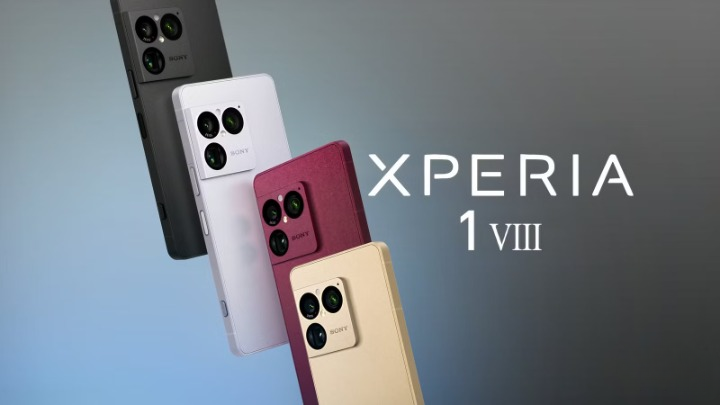
Sony has pushed the Xperia line in two opposite directions at once: a tactile redesign aimed at creators and an AI camera demo that went unexpectedly viral — for the wrong reasons. The Xperia 1 VIII arrives as a statement phone: pricey, specialist, and stubbornly full of features that almost no other flagship ships in 2026.
What’s new — and what Sony kept
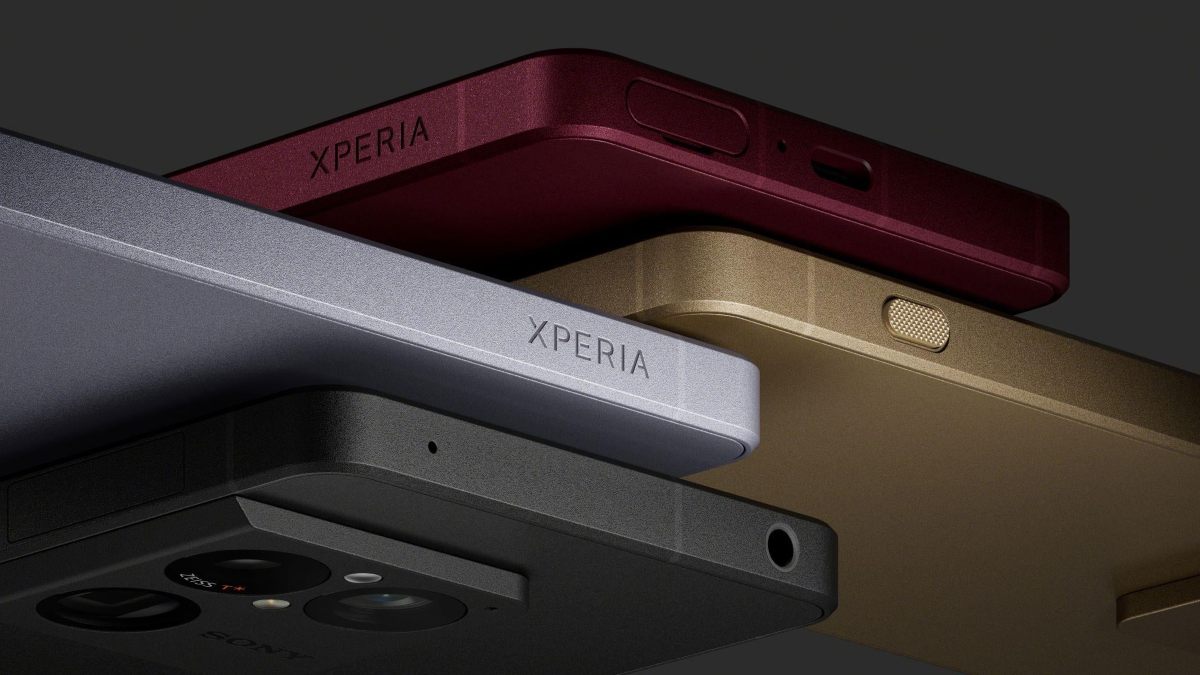
On paper the Xperia 1 VIII reads like a familiar Sony playbook with a few bold revisions. The chassis adopts Sony’s new “ORE” texture — a rough, stone-like back meant to improve grip — and the camera island shifts from a vertical strip to a square module. Under the hood sits Qualcomm’s Snapdragon 8 Elite Gen 5, paired with either 12GB/256GB or up to 16GB/1TB and microSD expansion.
Key specs worth remembering:
- 6.5-inch LTPO OLED, 120Hz, FHD+ (Sony kept the same panel resolution as last year)
- Triple 48MP rear cameras (including a much larger 1/1.56" telephoto sensor at 70mm, 2.9x optical)
- 12MP front camera
- 5,000mAh battery with 30W wired and 15W wireless charging
- 3.5mm headphone jack, microSD slot, front-facing stereo speakers, dedicated two-stage shutter
- Insist on a 3.5mm jack and expandable storage in a premium phone
- Value manual camera controls and Alpha-derived color science
- Prefer cleaner, less aggressive computational processing Skip it if you:
- Want the fastest charging and maximum battery runtime
- Prioritize the most eye-popping display specs for gaming and streaming
- Expect Pixel- or Galaxy-level computational photography out of the box
Sony isn’t trying to out-spec the competition on raw numbers. Instead it doubled down on consistency across lenses, Alpha-inspired manual controls, and practical touches — the sort of professional niceties that kept the Xperia line alive for a devoted, if niche, audience.
The AI Camera Assistant that started the conversation
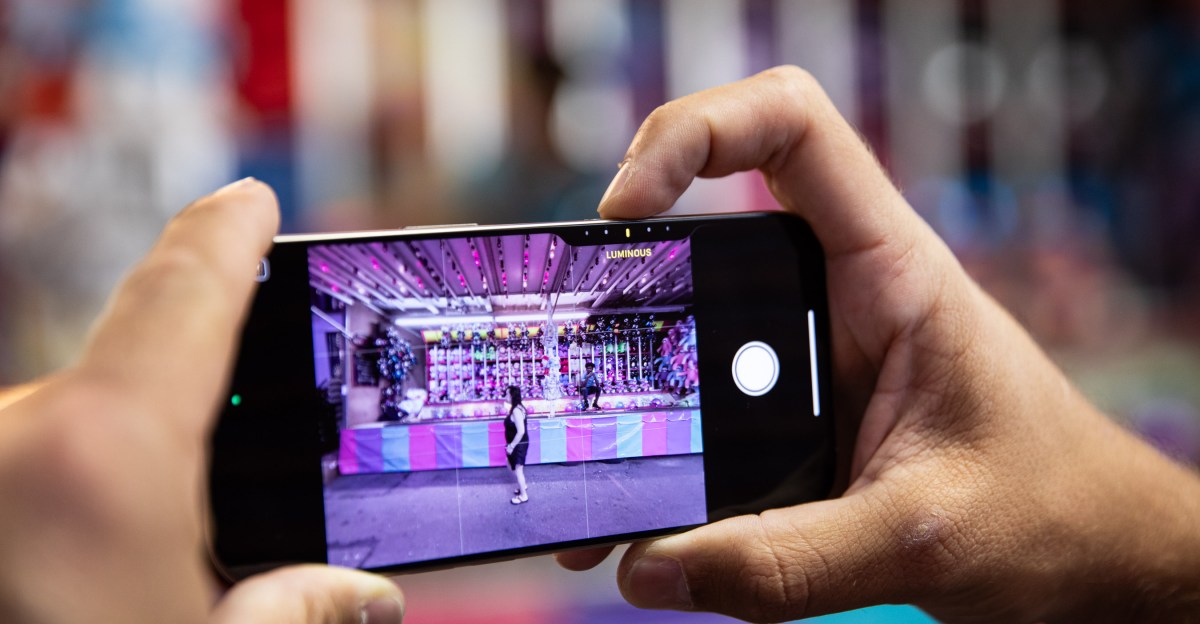
What derailed some of the honeymoon coverage wasn’t the hardware but Sony’s marketing of an optional feature called the AI Camera Assistant. Sony posted before-and-after examples meant to show the assistant’s suggested shooting presets. The community reaction was swift: the processed shots looked overexposed, washed out, and in a few cases almost faded the subject. The images spread quickly across social feeds, spawning memes and criticism from prominent creators.
Sony later clarified the Assistant doesn’t retroactively edit photos — it analyzes the scene and proposes four presets (exposure, tone, lens choice and bokeh) for you to try before you press the shutter. New sample images followed and looked more reasonable, but the initial impressions stuck. For a brand prized for accurate color science, that marketing stumble was particularly awkward.
Trade-offs: a better telephoto, but no continuous zoom
The headline hardware win is the telephoto. Sony swapped the quirky continuous zoom of the prior model for a fixed 70mm optic built around a much larger sensor — a move that should pay dividends for low-light telephoto work and natural bokeh. The trade-off is less versatility at long range: Sony leans on sensor cropping for higher magnification instead of variable optics.
Battery and charging remain conservative compared with rivals. A 5,000mAh battery is healthy, but 30W wired charging looks middling beside competitors pushing 65W–100W. The display is superbly color-accurate and bright in HDR galleries, but it’s still 1080p — a point critics use when pricing tops €1,499.
Price, polls and who still wants one
Retail pricing in Europe starts at €1,499 for the 12GB/256GB unit, with 1TB tiers nearing €2,000. That’s steep, and public reaction reflects the split: some buyers balk at the cost versus raw specs, others are willing to pay a premium for very specific features. A recent poll found nearly a quarter of respondents willing to spend the base price — a sign that the headphone jack, microSD slot, and Sony’s camera DNA still move people. Enthusiasts, audiophiles and photographers who want physical controls and expandable storage are the phone’s core audience.
Sony sweetened pre-orders in some regions with a free pair of WH-1000XM6 headphones — a nod to buyers who prize audio alongside imaging.
How it stacks up against the rest of the market
Sony’s strategy is deliberately niche. Where manufacturers such as Vivo loaded the X300 Ultra with massive batteries, 144Hz 1440p displays and ultra-fast charging, Sony focused on refinement and creator tools. If you want headline specs — bigger battery, faster charging, higher-resolution displays and extravagant camera modules — rivals may look like better value. There’s a side-by-side comparison that highlights these differences clearly: Vivo’s X300 Ultra aims for outright hardware dominance while Xperia prioritizes professional workflows and practical ports (Vivo X300 Ultra vs Sony Xperia 1 VIII comparison).
Against Samsung and Google, Sony’s approach reads as complementary rather than combative. The Xperia competes with the Galaxy S26 Ultra and other top-tier flagships on price, but trades some conventional spec clichés for features those phones have abandoned — notably the headphone jack and microSD. That’s also why some tech writers argue it would be valuable to have Sony back in the US market; its presence raises the bar for what flagship phones can offer (Sony Xperia 1 VIII launch and photography focus). If you’re wondering how the Xperia stacks up to Samsung specifically, recent coverage of the Galaxy S26 Ultra’s strengths and weaknesses is a useful point of reference (Samsung Galaxy S26 Ultra review).
Who should actually consider one?
Buy this if you:Sony’s Xperia 1 VIII isn’t trying to seduce the mainstream. It’s a niche flagship with a distinct personality — and for a certain kind of buyer, that’s precisely the point. Whether that kind of buyer is numerous enough to justify Sony expanding availability (and maybe returning to the US) is the question still hanging over this launch.