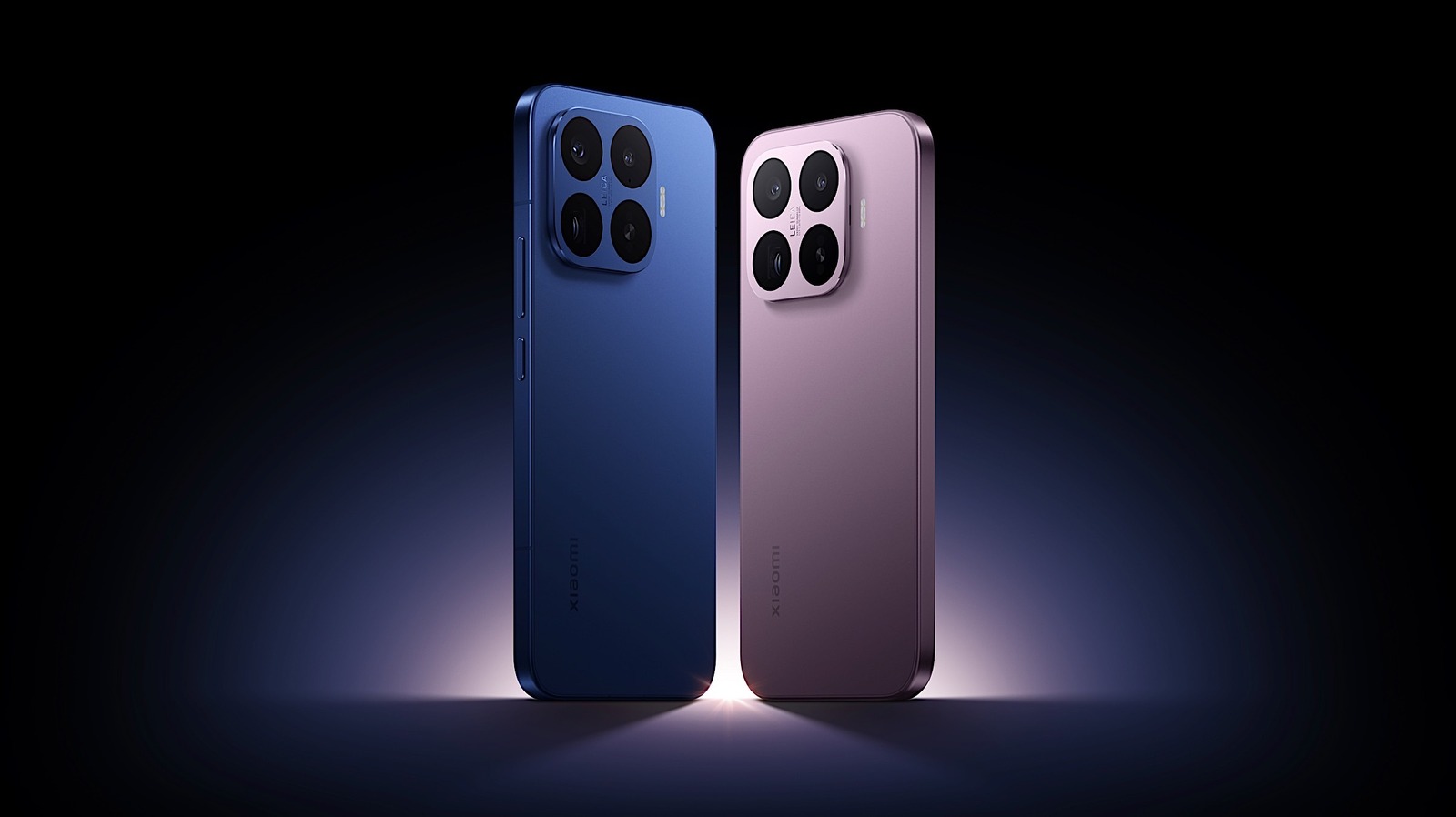
Three months after the mainline 17 phones landed, Xiaomi quietly stretched the family again — this time with the 17T and the eyebrow-raising 17T Pro. On paper they read like sensible spin-offs rather than radical rethinks: a couple of components bumped here, a big battery there, and for the first time in the T range, a 5x periscope telephoto that gives these phones a clear talking point.
What Xiaomi changed (and why it matters)
If you want stamina, the 17T Pro is the headline. A 7,000 mAh silicon‑carbon cell sits inside the Pro, while the vanilla 17T carries a healthy 6,500 mAh pack. Those are unusually large capacities in 2026; Xiaomi even claims the Pro can hit almost two days of typical use. In real hands‑on testing, editors reported getting well into a second day with plenty left over — and the phone supports 100W wired and 50W wireless charging to keep downtime short.
Under the hood, Xiaomi split the lineup between MediaTek chips: the 17T Pro runs on the 3 nm Dimensity 9500, and the regular 17T uses the Dimensity 8500 Ultra. Both are plenty snappy for everyday apps and games, but the 9500 gives the Pro a little more longevity and headroom for heavier tasks. The 17T Pro also upgrades to Wi‑Fi 7 support and keeps flagship niceties like IP68 ingress protection and Gorilla Glass 7i on front and back.
Screens remain a strength. The Pro wears a 6.83‑inch AMOLED at a 1.5K-ish resolution with up to 144Hz and very high peak brightness (Xiaomi claims numbers that make outdoor visibility painless). The smaller 17T uses a 6.59‑inch panel with 120Hz — both are 12‑bit, Dolby Vision capable and look excellent in normal use.
Cameras: Leica branding, a proper periscope, and a Live Moment trick
The surprising bit is how much of Xiaomi’s camera tech trickled down. Both phones have a 50 MP main sensor and, crucially, a 50 MP 5x periscope telephoto with OIS. That’s notable because genuine 5x optical zoom has been mostly a flagship-only trick until recently — Xiaomi is bringing it into a more attainable price bracket. The Pro pairs those with a 12 MP ultrawide and a 32 MP selfie cam.
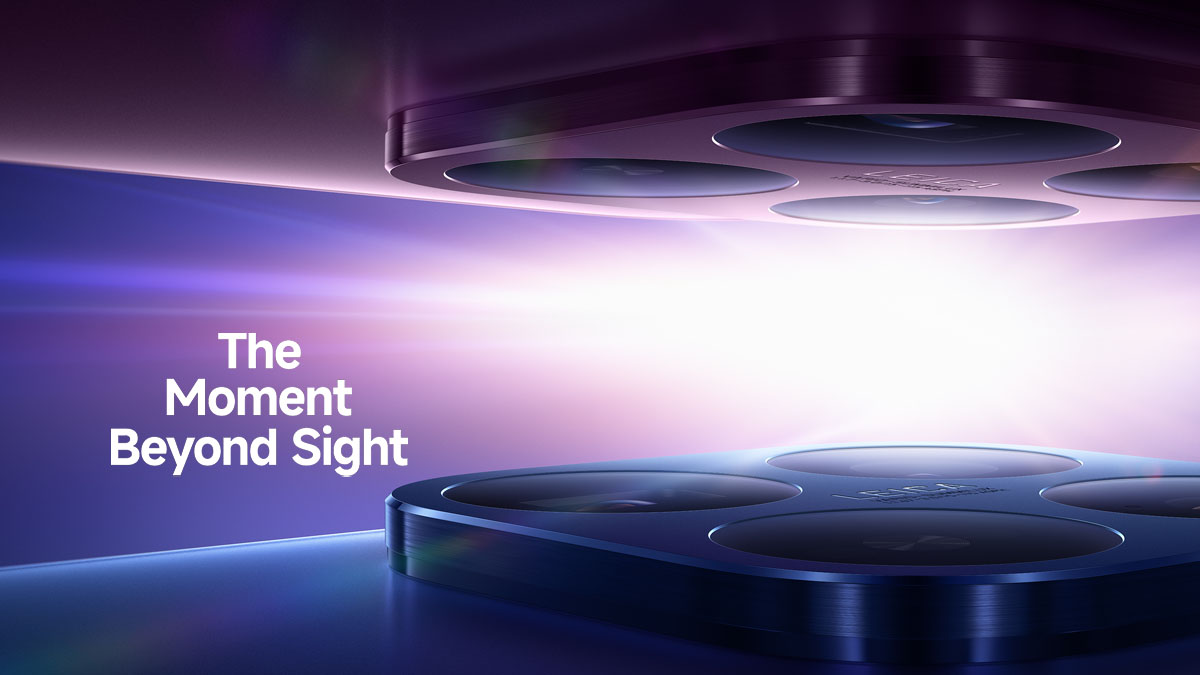
Xiaomi also imports software touches from its pricier models: Leica lenses, Leica's color tuning and a new "Leica Live Moment" feature that captures short video snippets with a Leica aesthetic — think of it as the T‑series answer to Apple’s Live Photos. The 5x telephoto extends the phones’ usable zoom range without pure digital cropping; Xiaomi layers in AI zoom to push to higher telephoto presets when needed.
In early hands‑on shots the system delivers impressive daytime snaps and competent low‑light images from the main camera, though reviewers noted artifacts around bright lights at night and some oddness when pushing heavier zoom or aggressive processing. In short: very capable for the price, but not quite Ultra‑level refinement.
Software, extras and the not‑so‑pleasant bits
Both phones run Android 16 with Xiaomi’s HyperOS 3. The UI has leaned closer to an iOS aesthetic, which some will like and others will grumble about — reviewers called out preloaded apps and bloatware as an annoyance you have to clean up. If you’re watching the broader mobile software scene, iOS’s steady interface evolution is one benchmark HyperOS now seems to chase (for context on Apple’s own software moves see developments around iOS 26 features).
Hardware touches: the 17T Pro gets an aluminum frame and a slightly more premium build; the regular 17T uses a reinforced plastic midframe to keep costs down (both carry IP68). The Pro also adds 22.5W reverse wired charging, which is handy as a backup power source for accessories.
A small consumer quibble: Xiaomi’s box contents vary by region. Some reviewers received the 100W charger in the box, others — particularly in parts of Europe — did not. A soft silicone case is often included, though, which is a nice immediate safeguard.
Price and positioning — who is this for?
Xiaomi is aiming these at buyers who want near‑flagship features without flagship prices. In Europe the 17T Pro appears to start in the high‑€800s to low‑€900s range depending on configuration and promotions (some listings put higher‑spec models closer to €999), while the 17T undercuts it comfortably. That pricing situates the Pro as a very tempting alternative to pricier flagships, especially for people who value battery life and optical zoom over being top dog in raw camera or benchmark charts.
If you’re comparing across ecosystems, Xiaomi’s move to equip a midrange phone with 5x optical zoom narrows a gap that manufacturers like Apple have long used to justify premium pricing — Apple’s recent camera moves and optics are part of that conversation too, and the industry is clearly pushing zoom performance as a key differentiator (see how camera rumors are shaping flagship strategies).
The practical takeaway
You get a lot for the money: massive batteries, real periscope zoom, Dolby Vision displays and Leica’s color work. There are trade‑offs — software clutter, some night‑time processing quirks and a plastic midframe on the non‑Pro model — but for many buyers these sacrifices will be tolerable next to the headline benefits. Xiaomi’s 17T series is less about redefining the market and more about redistributing capability: take a few flagship tricks, put them in phones most people can buy, and call it a day.
If you care most about battery endurance and zoom that actually reaches, the 17T Pro is worth a close look. If you prefer a slightly smaller handset with many of the same advantages for less money, the vanilla 17T makes an even stronger value argument.