Apple spent years insulating buyers from the ugly parts of the semiconductor cycle. That cushion just got thinner.
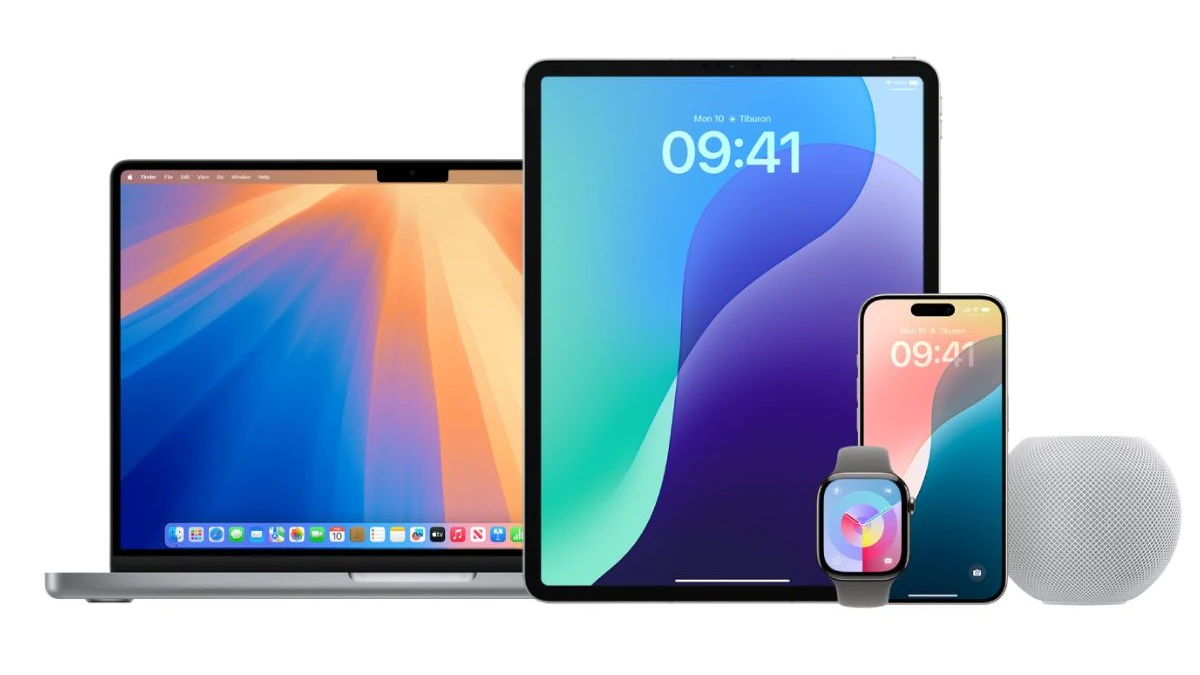
On Thursday, the company raised prices on several MacBook and iPad models, a move it had been telegraphing for weeks as memory and storage costs surged under pressure from the AI build-out. The changes were not subtle. The entry MacBook Neo jumped from $599 to $699, the MacBook Air with 512GB of storage climbed from $1,099 to $1,299, and the MacBook Pro 1TB version rose from $1,699 to $1,999. iPads moved too, with the iPad Air 128GB and iPad Pro Wi‑Fi 256GB both getting noticeably pricier.
Investors did not like the news. Apple shares fell more than 6% on the day, the stock’s worst session in over a year, as the market digested the possibility that this is not a one-off adjustment but the beginning of a broader reset in how Apple prices its hardware.
The company’s own explanation was unusually blunt. In a statement, Apple said the consumer electronics industry faces an “unprecedented challenge” because AI data centers have driven an extraordinary spike in demand for memory and storage. “We have reached a point where we need to begin raising prices on a number of products,” Apple said, leaving the door open to more increases ahead.
That matters because Apple rarely likes to look cornered. For years, it absorbed component inflation through product mix changes, storage upsells and a steady push toward higher-end models. The Mac mini offered an early sign of the shift in May, when Apple removed its cheapest configuration and nudged the entry price higher. Now the company is making the trade-off explicit: if memory costs climb fast enough, customers will help foot the bill.
Tim Cook previewed that reality last week, warning that price hikes were coming because memory and storage costs had become too steep to fully absorb. He described the surge as a “hundred-year flood,” which sounds dramatic until you look at the chip market itself. Prices for memory and storage have quadrupled in the past three quarters, according to Counterpoint Research, as suppliers steer more production toward high-bandwidth memory for AI servers.
That’s where the money is. AI infrastructure is hoovering up supply, and chipmakers are directing capacity to the parts that earn the richest margins. Micron has become the clearest beneficiary. The memory giant reported a revenue jump that more than quadrupled in its latest quarter, with gross margin shooting to 84.9%. In the AI economy, suppliers at the bottleneck are getting paid first.
Consumers, by contrast, are starting to see the invoice. Apple may be the first marquee device maker to formalize the pain, but it almost certainly won’t be the last. Motorola quietly hikes Moto G prices up to 50% as memory crunch bites showed how quickly the pressure can spread beyond the premium tier, and Apple’s move makes that pattern feel a lot less temporary.
The bigger question is how much of this Apple can justify as an upgrade story rather than a simple markup. The company is leaning hard into that framing with its AI ambitions. IDC expects new iPhone models to move to 12GB of RAM, partly so Apple can support its full Apple Intelligence features. That gives Apple a clean argument: higher prices, yes, but also more capable hardware.
There’s a catch, of course. The same AI features that require more memory are helping drive the scarcity in the first place. That could make the next round of iPhone pricing harder to avoid. Tarun Pathak of Counterpoint told CNBC that higher component costs could add roughly $150 to $200 per iPhone, with increases likely to fall more heavily on larger-memory configurations. The company has been careful not to say the iPhone is next. It also hasn’t ruled it out.
Apple’s current approach suggests a familiar playbook. Remove the bargain option. Lift the base spec. Push buyers toward better-equipped models. That is classic Apple, only now it is happening under more hostile conditions. If the company once relied on scale and supplier clout to soften cost shocks, the AI boom has changed the balance of power. Memory makers know exactly where the pressure point is.
That also explains why Apple’s pricing move landed so hard on Wall Street. It is not just about a pricier Mac or iPad. It is a signal that the AI hardware cycle is no longer abstract. The infrastructure spend is real, the component shortages are real, and the cost is starting to reach the people who buy devices rather than build them. For Apple, that means thinner margins if it hesitates and potential demand friction if it doesn’t.
So far, the company is trying to thread the needle: charge more, but call it necessity; sell more memory, but frame it as capability; protect the premium brand, but avoid looking like it’s simply passing along a tax. That may work for a while. But if the memory crunch lingers into the iPhone cycle, the conversation around Apple’s next launch could sound a lot less about features and a lot more about sticker shock.
And once that debate starts, it won’t stay inside Apple’s walls. The AI boom is already redrawing the cost structure for the entire consumer tech industry, from cloud platforms to laptops to phones. Apple just became the latest company to say the quiet part out loud.