Apple is preparing customers for a more expensive fall.
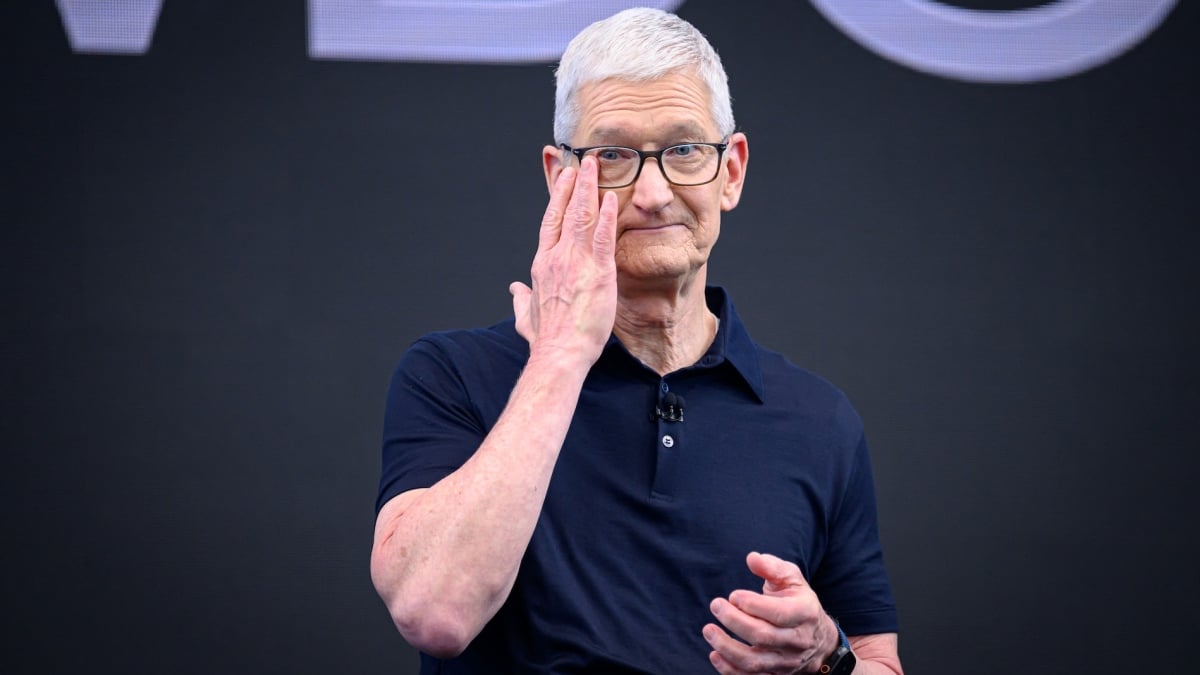
In an unusually blunt warning, outgoing CEO Tim Cook said Apple can no longer fully absorb the rising cost of memory and storage chips, calling further price increases “unavoidable.” The comments, made in an interview with The Wall Street Journal, suggest that the next wave of iPhones — especially the iPhone 18 Pro lineup — could arrive with noticeably higher sticker prices.
Cook didn’t name specific products or give a timetable, but the direction of travel is hard to miss. Apple has already been dealing with higher component bills throughout 2026, and the pressure is coming from an unlikely place: AI infrastructure. Data centers are soaking up huge amounts of DRAM and other memory chips, leaving consumer electronics makers fighting over tighter supply and pricier parts.
That squeeze matters because Apple depends on those same components for iPhones, iPads and Macs. Cook said memory pricing is a particular headache, especially in the DRAM market, where supply is being redirected toward high-bandwidth memory used in AI servers. “There’s less supply at a time when consumers want devices and the memory guys are passing along huge price increases,” he said.
The company has tried to soften the blow, Cook added, but it’s reaching the point where that strategy stops working. Apple has been willing to use its balance sheet to help expand supply, though Cook made clear the company does not plan to build its own memory factories. In other words, Apple may spend more to secure chips, but it’s not about to become a chip manufacturer overnight.
The timing is awkward, because Apple’s next major launch is expected in September, when the company is widely expected to unveil the iPhone 18 family and its first foldable phone. If Apple does push through a broad price increase, the Pro models are the most likely place to see it first. One TechInsights estimate cited in reporting on the interview suggests Apple would need to add roughly $270 to the next Pro model just to preserve margins — a figure that lines up with the kind of pricing shock analysts have been warning about for months.
That would be a sharp step up from the current iPhone 17 Pro’s $1,099 starting price. Some earlier chatter suggested Apple might hold the line on pricing and swallow the extra costs itself, but Cook’s remarks make that scenario look a lot less likely. Recent iPhone 18 rumors have already pointed to a device shaped by bigger batteries, a smaller Dynamic Island and a more ambitious design. None of that comes cheap.
Apple isn’t alone in feeling the squeeze. The same memory crunch has already pushed other makers to adjust pricing, including Motorola’s midrange phones, and it’s helping explain why storage-heavy devices are getting harder to keep affordable across the board. For Apple, though, the stakes are higher: any move on price lands directly on the company’s most important product category.
Cook, who is set to hand over the CEO role to John Ternus in September, sounded less like a sales chief and more like someone bracing the market for bad news. He even described the situation as a “hundred-year flood,” saying he has never seen anything like it in four decades in tech. That’s not the kind of language Apple usually uses in public.
And yet the message is plain enough. The chip market has changed, AI demand has warped supply, and Apple’s habit of shielding buyers from component inflation is running into its limit. If the company does raise prices this fall, the explanation may be written into the memory bill.
The pressure isn’t isolated to the iPhone, either. Apple has already been adjusting parts of its Mac lineup, and the company’s broader hardware strategy — including the long-rumored foldable iPhone — now has to be planned in a market where memory itself is getting more expensive by the week. That’s a tricky backdrop for a new chief executive to inherit, even one who already knows Apple’s hardware playbook inside and out.