Apple may be setting up 2027 as one of its busiest hardware years in ages. According to multiple reports, the company is planning not just a new “20th anniversary” iPhone, but two of them — plus a second-generation foldable iPhone and AirPods with built-in cameras.
It’s a lot to pack into one cycle, and that’s before you get to the chip transitions underneath it all.
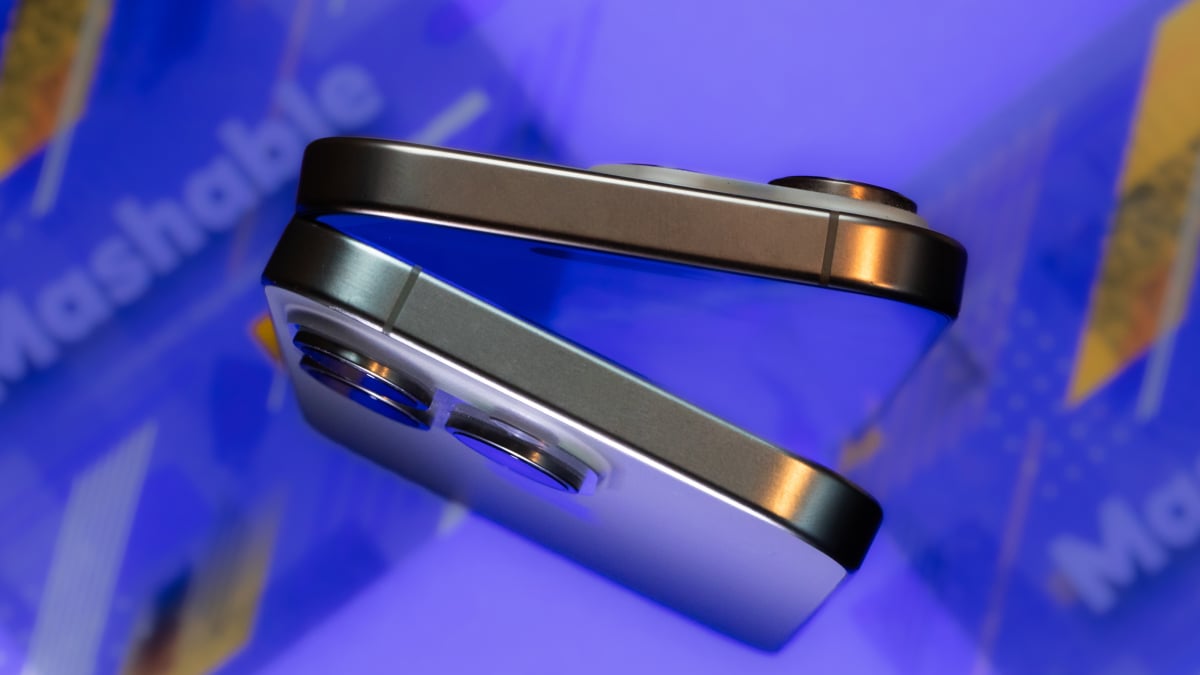
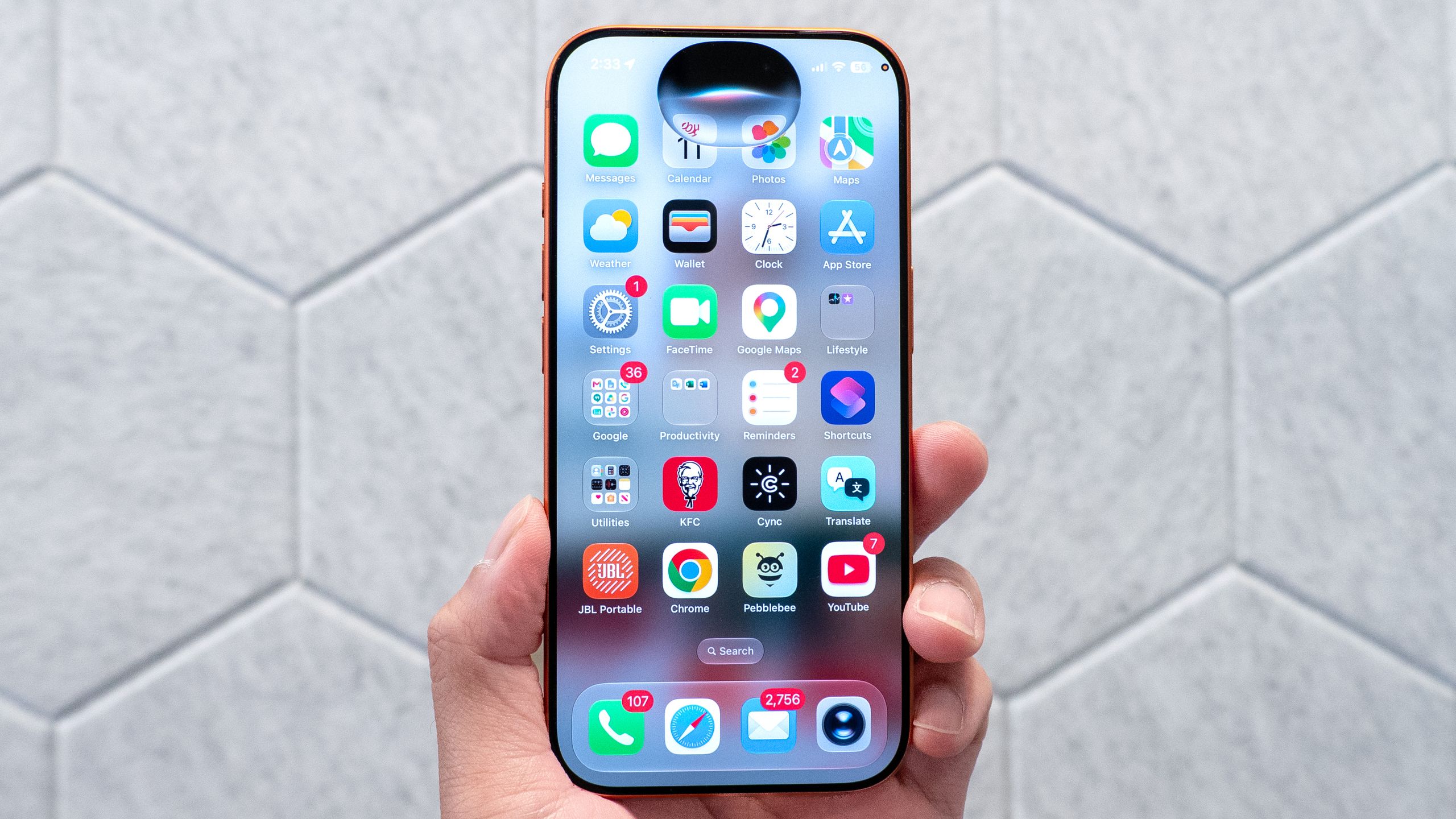
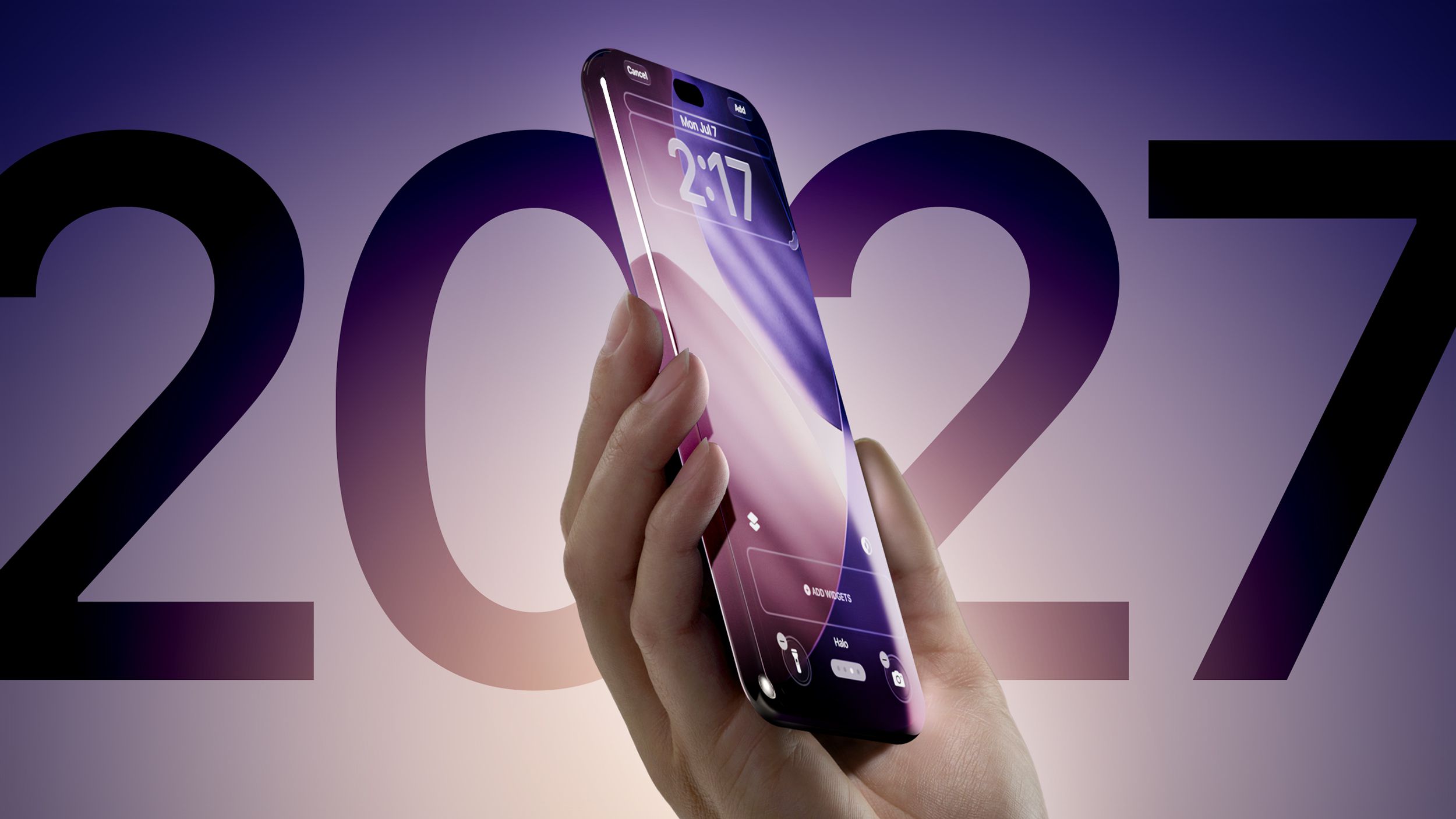
The anniversary iPhone is shaping up to be the showpiece. Bloomberg says Apple is working on a nearly edge-to-edge design with curved glass that wraps around the sides, while MacRumors reports the company is testing two sizes similar to the current Pro and Pro Max lineup. In practical terms, that likely means something in the neighborhood of 6.3 inches and 6.9 inches, matching the sizes of this year’s Pro models.
That’s a notable shift in how Apple tends to celebrate a milestone. The iPhone X’s 10th-anniversary makeover felt like a clean break from everything that came before. The 20th-anniversary version may be more of an evolution — premium, unmistakably high-end, but still rooted in the same two-size strategy Apple knows works. It also echoes some of the design chatter already building around the iPhone 18 Pro rumors, which have been pointing toward a more ambitious display redesign.
The foldable side of the story may be just as important. Bloomberg and The Verge both say Apple plans to release a second-generation foldable alongside the anniversary phones, suggesting the company wants to make it clear that foldables are not a one-off experiment. That’s a meaningful signal, especially after reports that Apple’s first foldable — often rumored under names like iPhone Ultra — has faced engineering headaches around the hinge. Apple seems determined to stick with the category even if the first model arrives with compromises, much like other early foldables did.
There’s also a timing wrinkle: Apple’s standard iPhone 18 may not arrive in the fall of 2026 at all. Instead, reports say it could slip to spring 2027, using a less powerful A20 chip, while the higher-end phones and 2027 devices move to Apple’s A21 generation built on a 2-nanometer process. That split release pattern would give Apple more room to separate its mainstream and premium launches, but it also makes the next 18 months look unusually messy by iPhone standards.
And then there are the AirPods.
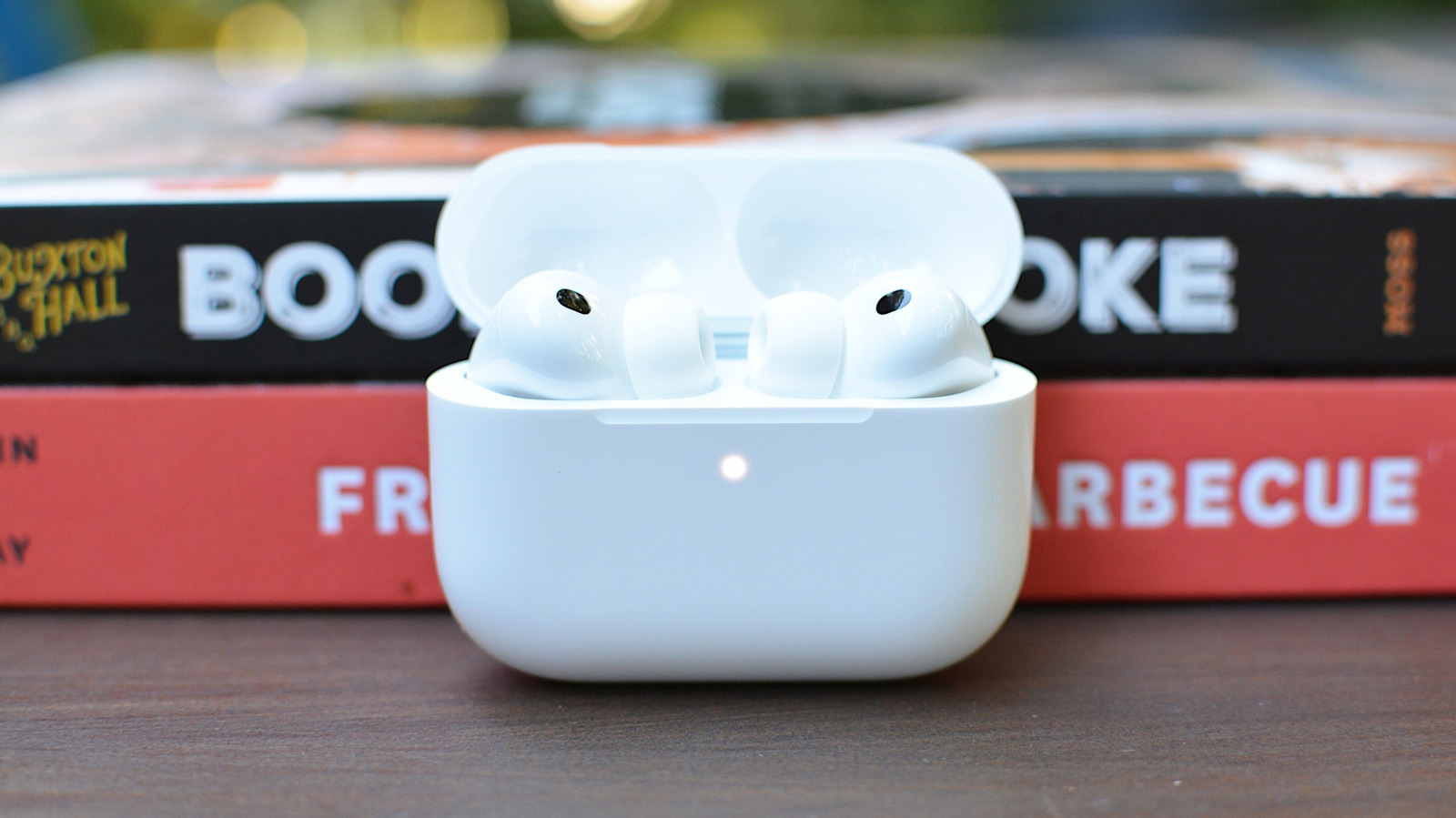
The Verge says camera-equipped AirPods are now on track for a late 2027 launch, with sensors mounted in the stems and small lights meant to show when data is being sent. The idea is not really about photography in the conventional sense. It’s about AI. Apple reportedly wants the earbuds to feed Siri visual context about what’s in front of you, which could make the assistant a lot more useful before Apple gets to its long-promised smart glasses.
That lines up with the broader direction of Apple’s AI push: more context, more sensing, and more attempts to make Siri feel less like a voice command tool from another era. It also hints at how Apple is thinking about wearables as part of a larger ecosystem, not just accessories. Camera AirPods sound weird now. In a few years, they may feel like a stepping stone.
For Apple, the bigger picture is less about any single product and more about orchestration. The company appears to be lining up a hardware stack where the anniversary iPhone, the foldable, and the camera AirPods all reinforce the same message: this is the next phase of the platform, and it’s not coming in dribs and drabs. Even the chip roadmap seems designed to support that story, with the Pro models, foldable, and anniversary devices converging on 2nm silicon.
If that all holds, 2027 could become the year Apple tries to do several big things at once — redesign the iPhone, legitimize foldables, and push AI hardware into the mainstream without making it feel like a science project.