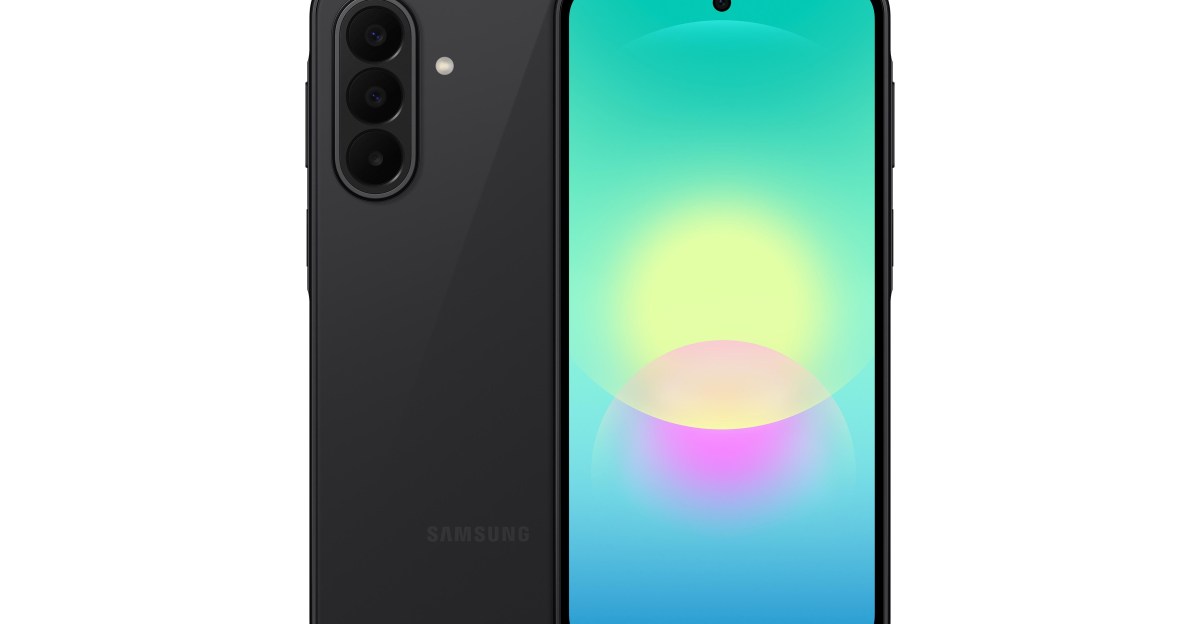
Samsung’s new Galaxy A27 5G arrives with a familiar problem for budget phones in 2026: the hardware story is getting more expensive while the list of compromises keeps getting longer.
The phone was announced on June 25 and, at first glance, it looks like a tidy midrange refresh. Samsung has moved to a more polished Infinity-O display, kept the large 6.7-inch Super AMOLED panel and added a Snapdragon 6 Gen 3 chip that should give it a little more snap in day-to-day use. But the A27 also costs more than its predecessor and gives back some ground in places buyers actually notice — camera resolution and water resistance among them.
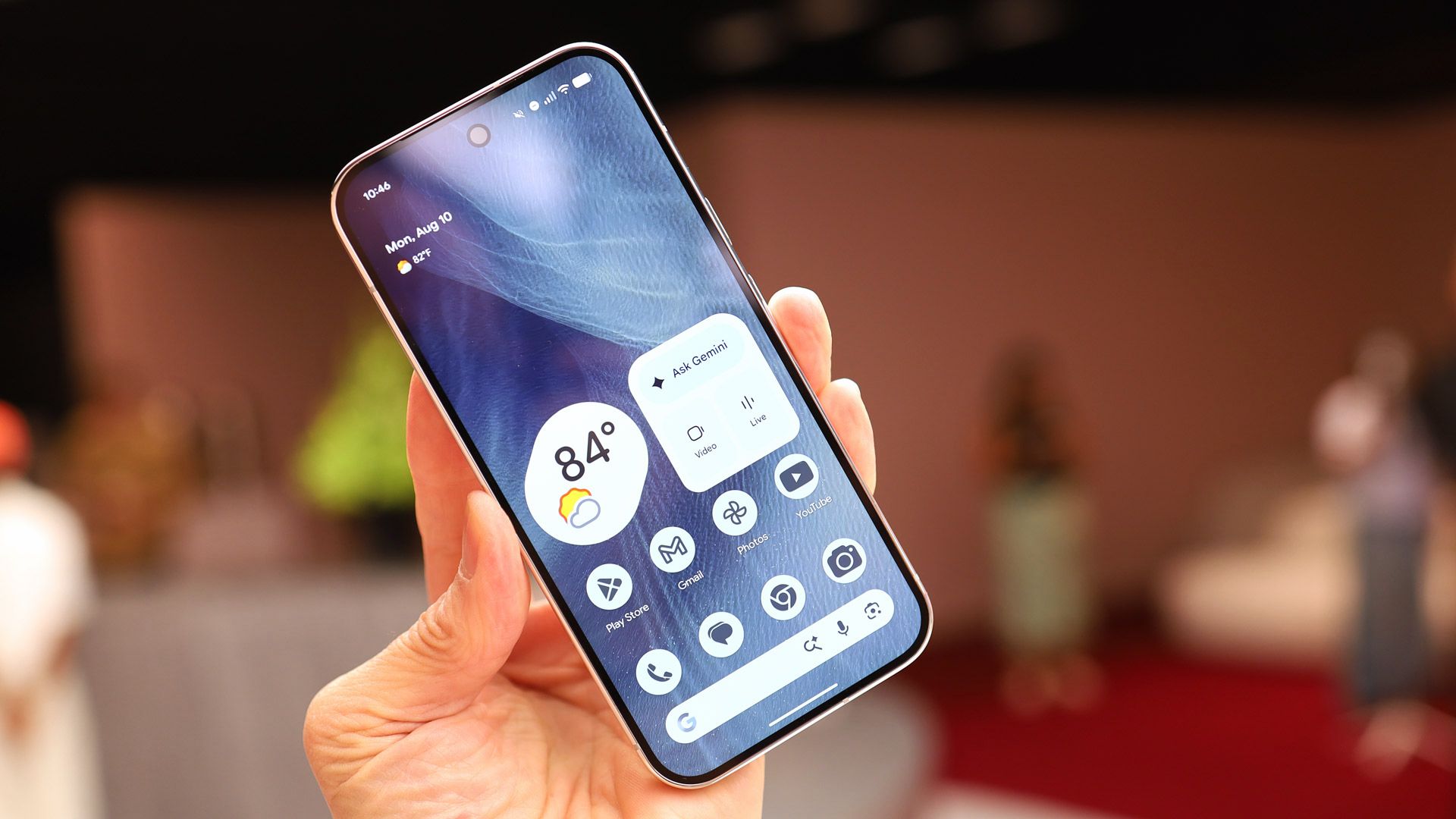
The new display is the easy part to like. Samsung says the punch-hole design trims distractions and opens up more usable screen space, helped by slimmer and better-balanced bezels. It’s still a 6.7-inch FHD+ Super AMOLED panel with a 120Hz refresh rate, so this is less a reinvention than a subtle cleanup. Still, small visual changes matter here. The A-series has long been about making Samsung’s mainstream phones feel just a bit less plain, and this one leans into that idea.
The hardware changes are more mixed. The Galaxy A27 5G uses Qualcomm’s Snapdragon 6 Gen 3 instead of the Exynos 1380 found in the A26. Samsung says that brings better responsiveness and stronger graphics performance, which should help in games and general multitasking. The phone ships with 6GB of RAM and 128GB of storage, plus microSD expansion up to 2TB. Battery life should remain comfortably familiar too: 5,000mAh with 25W charging.
Camera trade-offs are where the upgrade story starts to wobble. Samsung has kept the 50MP main rear camera with OIS, but the ultra-wide sensor drops to 5MP, and the selfie camera is now 12MP. Those numbers are fine in isolation, but they’re not exactly a flex in a market where buyers increasingly compare specs line by line. Samsung is pitching the front camera as better at handling wider brightness ranges and more natural color, though that’s the kind of improvement that usually needs real-world testing before it means much.
There’s also the matter of durability. The A27 is rated IP64, which covers splashes and dust but is a step down from the IP67 rating on the A26. That change is likely to bother more people than Samsung might expect. For a phone in this price band, durability often feels like part of the bargain, not a bonus. Losing a little water resistance while the sticker price rises is not the easiest sell.
That price increase is real. In the U.S., the Galaxy A27 5G starts at $349.99, or $50 more than last year’s model. Samsung’s UK announcement doesn’t frame it quite the same way, but the broader market message is hard to miss: this phone is arriving in an environment where costs are creeping up everywhere, and the budget category is feeling it especially hard. Samsung’s own Galaxy A57 and A37 refresh shows the same pattern — thinner devices, newer AI features, and higher prices that make “affordable” a little less straightforward than it used to be.
Software is where Samsung is trying to make the A27 feel smarter rather than just newer. Circle to Search now recognizes multiple objects in an image at once, which sounds small until you imagine using it for outfits, accessories, or product searches without jumping through extra hoops. Object Eraser is being improved for cleaner edits, and Voice Transcription in Samsung’s Voice Recorder app can now translate as it transcribes across 22 languages. The phone also supports Gemini and Perplexity, while Bixby is positioned as a conversational control layer for settings and device functions. That mix of assistants is becoming a Samsung signature, and it places the A27 neatly inside the company’s broader push to make AI feel less exclusive.
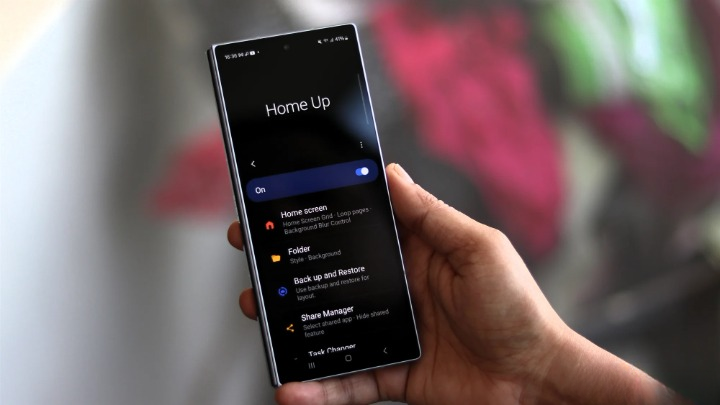
If that sounds familiar, it’s because Samsung has been steadily spreading those features across more devices. The latest One UI 8.5 changes suggest the company is still treating software as a differentiator, even when the hardware story is more incremental. The A27 follows that logic closely: give users a polished screen, a modest chip bump, a handful of AI tools, and long support promises, then trust the brand to carry the rest.
That support promise is one of the A27’s strongest arguments. Samsung says it will provide up to six generations of Android OS and One UI upgrades, plus up to six years of security updates from the initial global launch date. For a midrange phone, that kind of lifespan is no small thing. It turns the A27 into a longer-term purchase rather than a two-year stopgap, especially for buyers who mostly care about reliable messaging, streaming, social apps and the occasional photo.
The phone launches in select markets on July 3, with U.S. availability following on July 14. Color choices vary by region, but Samsung is listing Black, Blue and Light Pink for launch markets, while the U.S. gets black only. That’s a little less cheerful than Samsung’s marketing imagery suggests, but hardly surprising.
For shoppers trying to decide whether this is a sensible upgrade or a sneaky downgrade, the answer depends on what matters more: the faster chip and cleaner front design, or the lower-res cameras, weaker IP rating and higher price tag. Samsung has made the A27 look more modern. It has not made it obviously better in every way.
And in 2026, that gap between “new” and “improved” is getting harder to ignore.