Apple’s next big hardware act is starting to look less like a product roadmap and more like a reshuffling of priorities.
A new round of reporting suggests that Apple’s long-discussed home hub, smart glasses, and a possible robotic companion for the home have all slipped internally as the company works to rebuild its AI story. The pattern is familiar by now: Apple didn’t abandon these ideas, but the timing keeps moving because the software underneath them isn’t ready to carry the weight.
The most concrete casualty appears to be the home hub, a tablet-like device designed to sit at the center of a smart home setup and lean heavily on Siri and Apple Intelligence. It has reportedly been ready for a while, but Apple doesn’t seem eager to launch another Siri-first product until the assistant can do more than stumble through basic requests. That caution makes sense, especially after Apple’s Siri redesign and multitasking work made clear how much engineering is still being poured into making the assistant feel genuinely useful.
Smart glasses are the bigger strategic bet, though, and they are now pulling resources away from Apple’s mixed-reality ambitions. Bloomberg’s latest timeline suggests Apple is aiming for late 2027 for its first AI-powered glasses, a window that matches earlier reporting from Ming-Chi Kuo more closely than some of the noisier speculation that floated around in between. Those glasses are expected to be Apple’s answer not just to Meta Ray-Ban-style devices, but to the broader eyewear market — a much larger prize than headsets ever offered.
That’s where the comparison to the Apple Watch starts to feel useful. Apple didn’t win wearables by targeting luxury watchmakers first; it went after the everyday middle of the market and made the category feel normal. The same logic is clearly shaping the glasses effort, as The Verge noted in its look at Apple’s eyewear strategy, where the company’s design language, retail muscle and iPhone integration are being treated as the real weapons.
But unlike the Watch, glasses are arriving into a market Apple no longer gets to define from scratch. Meta has spent years normalizing camera-equipped, AI-assisted eyewear, and it has the advantage that comes with shipping, iterating and learning in public. That’s why the timing matters so much. Even if Apple believes brand loyalty can still close the gap, every extra quarter gives Meta more room to harden its lead.
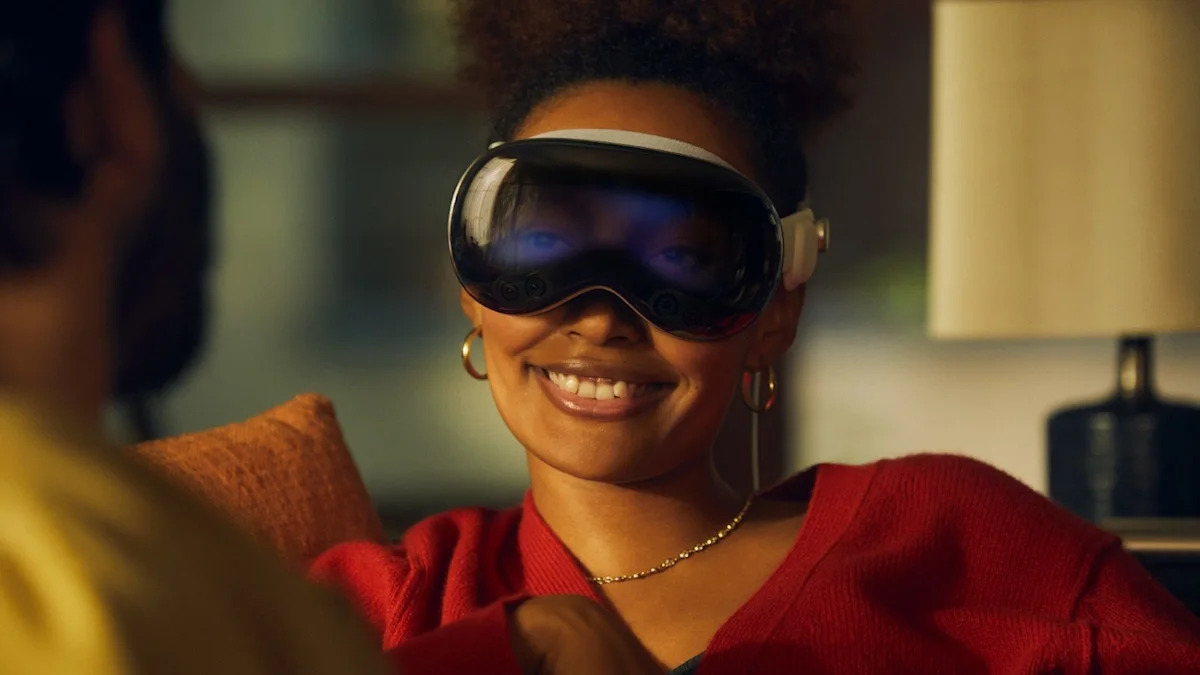
There’s also a quieter shift happening inside Apple’s headset plans. The company has reportedly been rethinking, shrinking or shelving parts of the Vision roadmap, including a lighter Vision Air concept that many users would have loved to see. That disappointment is easy to understand if you’ve ever worn a Vision Pro for more than a short stretch. As one recent Vision Air opinion piece argued, the problem isn’t whether a cheaper headset would be appealing — it’s whether Apple can justify spending scarce resources on a niche category when glasses look far more promising.
That’s the real thread running through these delays: Apple isn’t just behind on AI, it’s having to decide which products deserve to wait for a smarter Siri and which ones can’t be rushed out without feeling half-finished. The home hub is an obvious fit for that caution. A tabletop robot, if it truly exists as a meaningful product and not just a lab concept, would need even more convincing software to feel anything other than gimmicky.
So the schedule keeps slipping, but the reason is less dramatic than it sounds. Apple’s smart home lineup is being held back by software maturity, while its glasses project is getting elevated because that’s where the bigger market is. The company would rather delay than ship something that exposes Siri’s weaknesses in public again.
In a strange way, that may be the most Apple thing about this whole story. When the foundation isn’t ready, it would rather keep polishing than rush the reveal. The only question now is whether those polished products land in time to matter — especially with rivals already wearing the category on their faces.