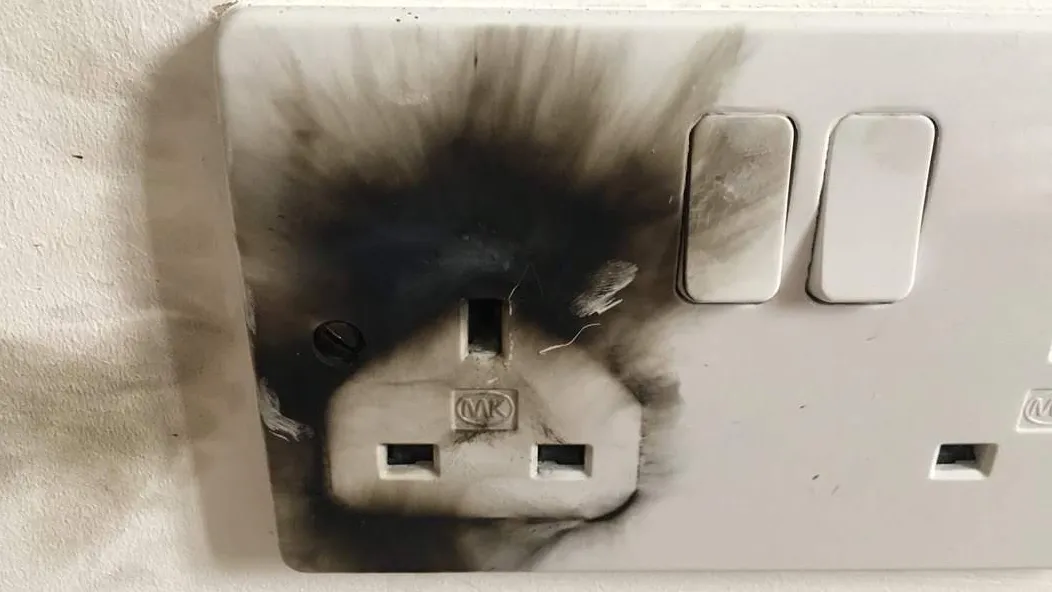
That bargain phone charger in your basket may be a lot more dangerous than it looks.
A new investigation by consumer group Which? has found that a string of low-cost USB chargers sold through major online marketplaces could electrocute users, overheat, catch fire or even explode. The products were bought from sellers on Amazon, Amazon Haul, eBay, AliExpress, B&Q Marketplace, Debenhams Marketplace, Temu and Shein, and then put through electrical safety testing.
Nine of the 15 chargers tested were so poorly made that they posed a risk of electric shock. Eight also failed in ways that created fire and explosion risks. In every case, the packaging, product or paperwork was missing information required for legal sale in the UK.
One of the most alarming examples was a charger sold on eBay as an “Apple” USB-C 35W Power Adaptor for £11.99. Which? says the unit produced arcing sounds just 10 seconds into an electrical strength test. When the case was opened, investigators found modelling clay packed inside, apparently used to make the device feel heavier and more authentic. It’s a crude trick, but it clearly worked well enough to fool at least one buyer — who later reported that the charger overloaded and damaged both an iPad and an iPhone.
The cheap chargers that failed hardest
The bad news wasn’t limited to one fake Apple unit. Two unbranded chargers bought from eBay sellers for £2.10 and £2.80 both posed risks of fire, explosion and electrocution. A charger sold through Amazon Haul for £6.99 failed safety tests too, as did a £10.99 “2-1 Super Fast Charger” listed on B&Q Marketplace. Which? also found a dual-port charger on Debenhams Marketplace that was weighted with modelling clay, and two chargers sourced via AliExpress that failed across multiple safety checks.
Even the chargers that didn’t fail on electrical performance weren’t necessarily safe to sell. Models purchased via Temu and Shein passed the lab tests, but still lacked the markings and importer information needed for legal sale in the UK.
This isn’t a new worry. Which? says it first warned online marketplaces about dangerous and counterfeit chargers back in 2019, and yet the same problems keep turning up. That’s one reason the group is now pushing for tougher rules that would make marketplace operators legally responsible for products sold by third-party sellers.
That call lands at a time when shoppers are being nudged to buy everything from phones and accessories to chargers and cases through marketplace listings rather than official stores. The convenience is obvious. The risk, less so.
Sue Davies, Which?’s head of consumer protection policy, said badly designed electricals like these can have “life-altering - even fatal - consequences” and argued that consumers are still being put in harm’s way because marketplaces have known about the problem for years.
Amazon said customer safety is its top priority, that it requires products listed in its store to comply with applicable laws and policies, and that it had removed the items highlighted by Which?. B&Q said it takes marketplace safety seriously and checks for products subject to official recalls.
But the bigger issue is the structure of online retail itself. Marketplaces can host thousands of third-party sellers, some of them overseas, and the prices can be eye-catchingly low. That’s exactly why they’re so tempting — and exactly why dangerous fakes can slip through.
If you’re buying a charger, the advice is painfully unglamorous: stick to official brand stores or trusted retailers such as Apple, Belkin, Anker or Samsung, and check for proper safety markings and importer details. It’s not as exciting as a £3.99 deal, but it is a lot less likely to leave you with a melted plug socket.
The push for tighter oversight is part of a wider pattern in which regulators are starting to focus more on the hidden risks in online marketplaces, from unsafe accessories to scammy app listings and Android sideloading loopholes. Cheap can be fine. Cheap and electrical, apparently, is where the trouble starts.