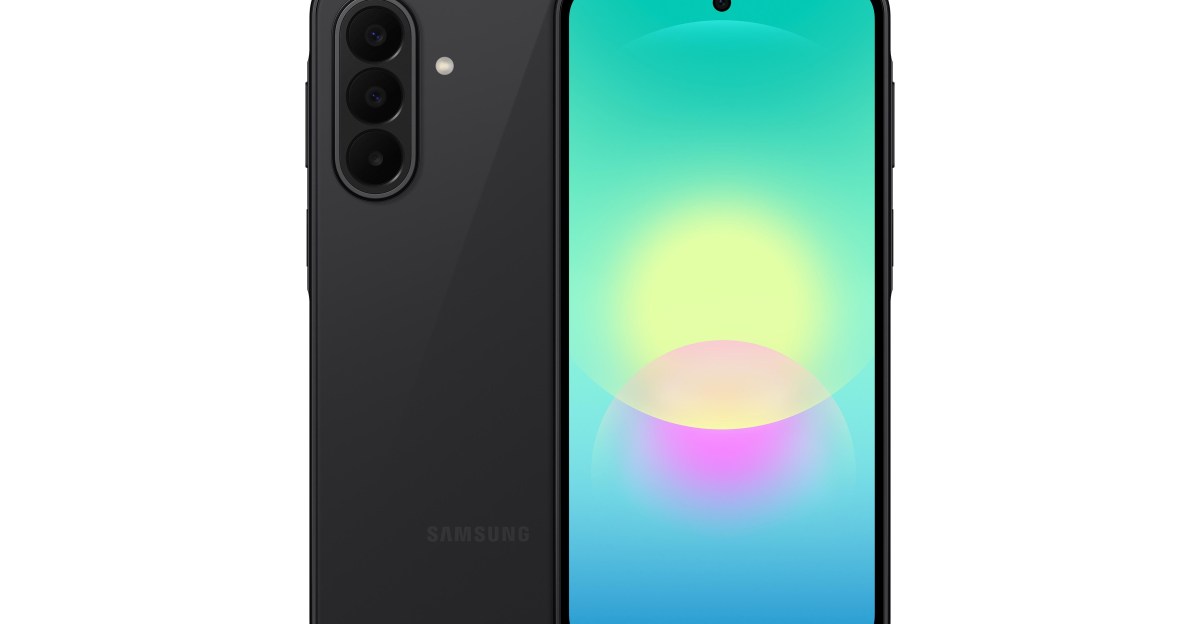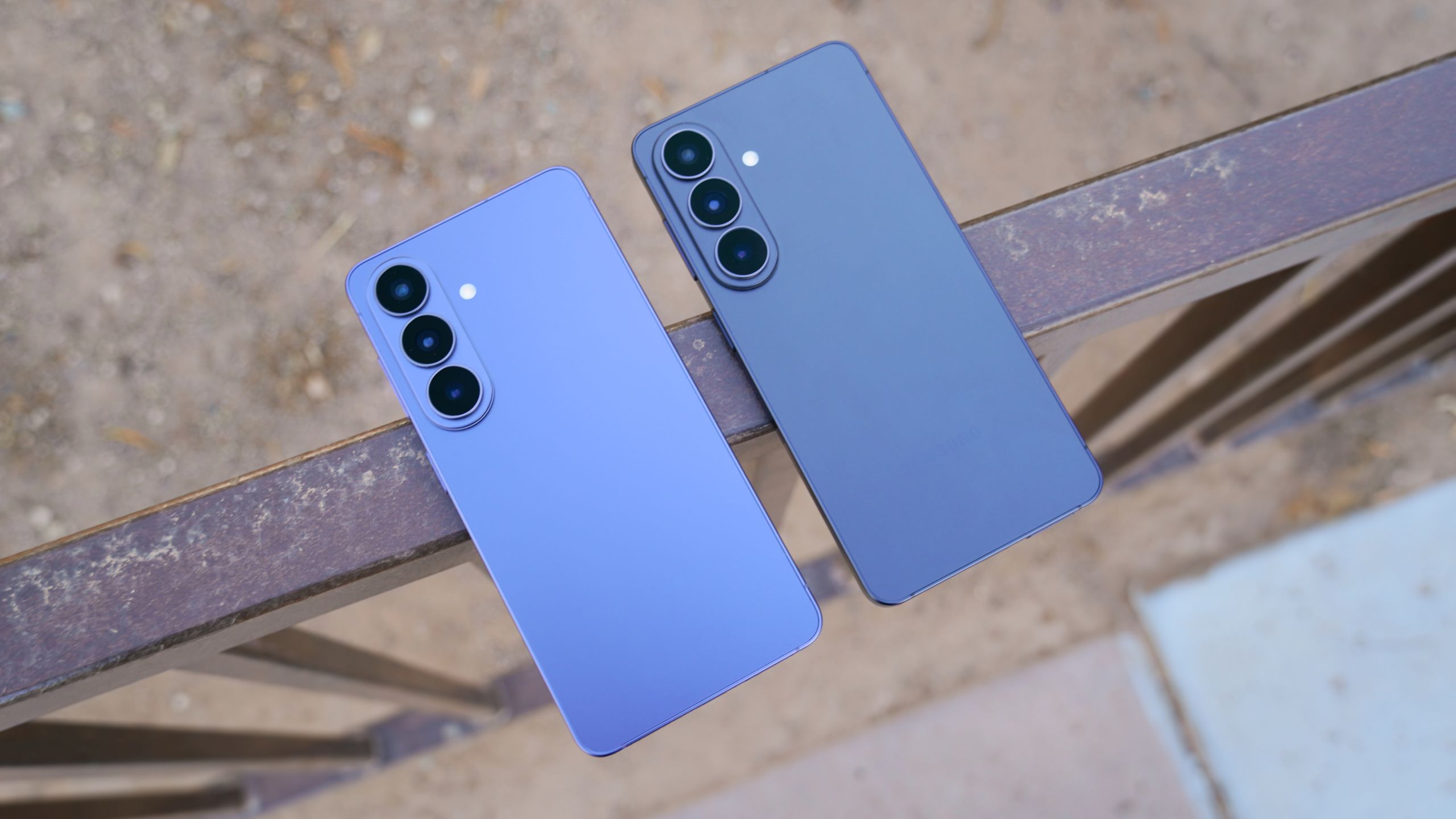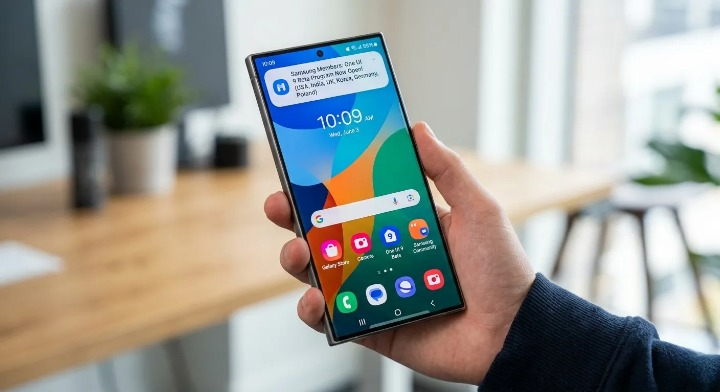
Samsung is pitching the Galaxy S26 Ultra as a do-it-all flagship, but the phone’s most convincing argument may be the one mobile gamers will notice first: it’s built to stay fast, cool and readable when the screen gets crowded and the frame rate starts mattering.
That matters because modern phone games are no longer quick distractions. The biggest titles now ask for console-style visuals, constant network activity, and a lot of sustained horsepower. Samsung’s answer is a familiar one on paper, but the execution looks notably more aggressive this year: a Galaxy-customised Snapdragon 8 Elite Gen 5, up to 16GB of RAM, a larger vapour chamber, a 120Hz display and a battery system that learns how you use the phone rather than simply counting percentages.
More power, less compromise
The headline hardware is the Snapdragon 8 Elite Gen 5 for Galaxy, Samsung’s tuned version of Qualcomm’s latest flagship chip. On its own, that already puts the S26 Ultra in premium territory. Samsung says the new setup brings a 19% CPU uplift, 24% better graphics performance and 39% stronger AI performance compared with the S25 Ultra.
In practice, that should help in the places gamers actually feel: quicker loading, steadier frame pacing, fewer stutters when a game is throwing effects, enemies and background processes at the phone all at once. It also opens the door to running the sort of visual settings that used to be reserved for larger devices, including ray tracing in supported titles.
That aligns neatly with the broader picture Samsung is painting across its flagship line, where features once framed as productivity tools or camera helpers now get repurposed for gaming and everyday speed. The company has been doing that a lot lately, from Galaxy AI-powered workflow tools-style messaging features in its software to hardware choices that are clearly meant to keep the phone feeling quick long after launch day.
Cooling is doing a lot of the heavy lifting
Raw power is great until heat starts eating into it. That’s where Samsung’s bigger vapour chamber comes in. The company says it is the largest vapour chamber it has ever used in a Galaxy phone, and that it improves thermal performance by 21% compared with the S25 Ultra.
That’s not just marketing fluff for a phone that wants to run demanding games for long stretches. Mobile chips can throttle pretty quickly once temperatures climb, and throttling is where “fast” quietly turns into “why does this game feel sluggish all of a sudden?” Samsung is trying to head that off before it happens.
The practical benefit is simple: you should be able to keep playing for longer without the phone backing off performance to protect itself. That also helps if your idea of a gaming session includes streaming, messaging, switching apps and a little bit of chaos in between. In other words, the exact sort of behaviour that often exposes weaker phones.
If you’ve been following Samsung’s more unusual hardware experiments, that emphasis on balance shouldn’t be surprising. The company has also been leaning into features like Privacy Display on the S26 line, which shows it’s thinking not just about specs, but about how the phone behaves in everyday use.
The screen is doing more than just looking pretty
Samsung is also leaning hard on the display side of the gaming pitch. The Galaxy S26 Ultra uses a 6.9-inch QHD+ Dynamic AMOLED 2X panel with a 120Hz adaptive refresh rate, which gives games room to breathe and makes motion look smoother when the action gets fast.
The refresh rate matters, but so does the detail. A 1440 x 3120 resolution means sharp visuals, and Samsung’s Precision mDNIe image processing is supposed to make colours look more vivid and lifelike than before. There’s also ProScaler on board, which uses AI-assisted processing to sharpen visuals and improve detail in games and video.
That combination means the phone isn’t just trying to push more frames; it’s trying to make those frames look better too. For a lot of people, that’s the difference between a big phone with a fast chip and a phone that genuinely feels built for gaming.
It’s also part of a wider trend in Samsung’s hardware. The company is increasingly building features that blur the line between entertainment, productivity and visibility — a shift that’s been especially noticeable in the latest Galaxy S26 discussions, including Samsung’s broader Galaxy S26 feature set.
Battery life is being handled like a software problem
The other thing gamers worry about is obvious: power drains fast when the screen is bright, the refresh rate is high and the processor is working hard. Samsung’s response is its Adaptive Battery system, which uses Galaxy AI to learn your habits and manage power more intelligently.
That won’t turn a phone into a miracle device that lasts forever, but it should help the S26 Ultra avoid wasting energy when it doesn’t need to. Paired with the 5,000mAh battery, Samsung says the phone is ready for long sessions and can be topped back up to 75% in around 30 minutes.
For anyone who treats mobile gaming like a serious hobby rather than a five-minute commute filler, that combination matters. Competitive players want consistency. Casual players want the phone to be ready when they are. Either way, the less time spent staring at a charging screen, the better.
A flagship that keeps trying to be useful after the game ends
What makes the Galaxy S26 Ultra interesting is that Samsung hasn’t built it as a one-trick gaming phone. It’s still very much a premium all-rounder, which is why features like Now Brief, Note Assist and Writing Assist keep showing up in the same conversation as frame rates and thermal limits. The company wants the S26 Ultra to be the handset you use for work, messages, travel, photos and, when you have time, a long gaming session.
That idea has become more central to Samsung’s recent strategy, especially as people increasingly expect one device to handle the whole mess of modern life. In that sense, the S26 Ultra is part of the same push that’s also seen Samsung experiment with tighter phone-to-phone interoperability, including Quick Share’s growing AirDrop compatibility.
So yes, the Galaxy S26 Ultra is being sold as a phone that can run demanding games smoothly. But the more interesting part is how Samsung is making that feel like just one piece of a larger package: fast chip, smarter cooling, brighter display, better battery handling, and software that keeps trying to get out of your way.
For a flagship, that’s a pretty compelling mix. For a gamer, it may be the difference between a phone that merely copes and one that actually keeps up.