What if Samsung finally stopped tucking a 5,000mAh battery into every Ultra and actually gave the Galaxy a real endurance leap?
Rumors and a handful of leaks over the past week suggest that’s exactly what the S27 series might attempt — and not by inching forward but by taking some bold detours. Think silicon‑carbon cells that could push capacity into four-figure territory, a horizontal pillbox camera bar to make room for Qi2 magnets, a return to mechanical aperture control on a 200MP main sensor, and even liquid cooling on a mainstream Galaxy. It reads like a wish list, and some of it comes from sources you’ll recognize in the rumor mill.
A battery that doesn't look like Samsung
One of the more attention-grabbing tips (passed along by a well‑known leaker) says the S27 Ultra will finally break Samsung’s seven‑generation plateau and ship with something larger than 6,000mAh. That’s a meaningful jump if true — and it’s conservative compared with other reports testing silicon‑carbon cells in the S27 that stretch from 12,000mAh up to 20,000mAh during internal trials. Yes, 20,000mAh sounds wild for a phone, but silicon‑carbon chemistry is already in some rivals and lets companies increase capacity without the same weight penalty as older designs.
If Samsung pursues that path, the result could be multi‑day battery life without dramatic compromises on size. There are tradeoffs, though: cell chemistry, thermal behavior and the company’s design tolerances will all play a role. Samsung kept the S26 family mostly iterative — even adding a novel privacy display — so this would be a conspicuous change of direction from the company that’s been steady, if cautious, about battery size. You can read more about the S26’s privacy experiment in our earlier coverage of the Galaxy S26 Ultra's privacy display (/news/galaxy-s26-ultra-privacy-display) and how Samsung has treated the Ultra line in recent years (/news/samsung-galaxy-s26-ultra-features-review).
The magnet that forced a design rethink
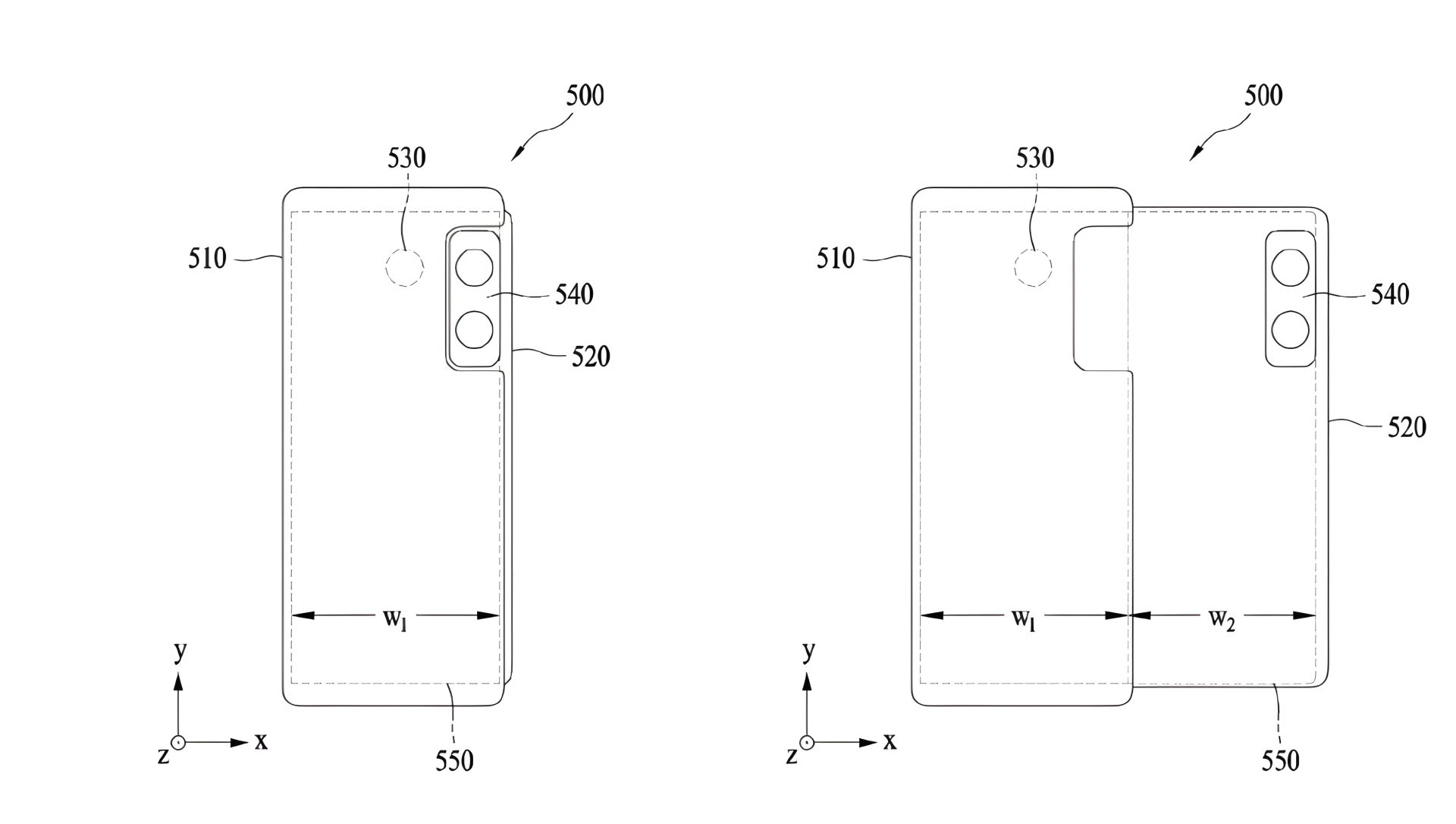
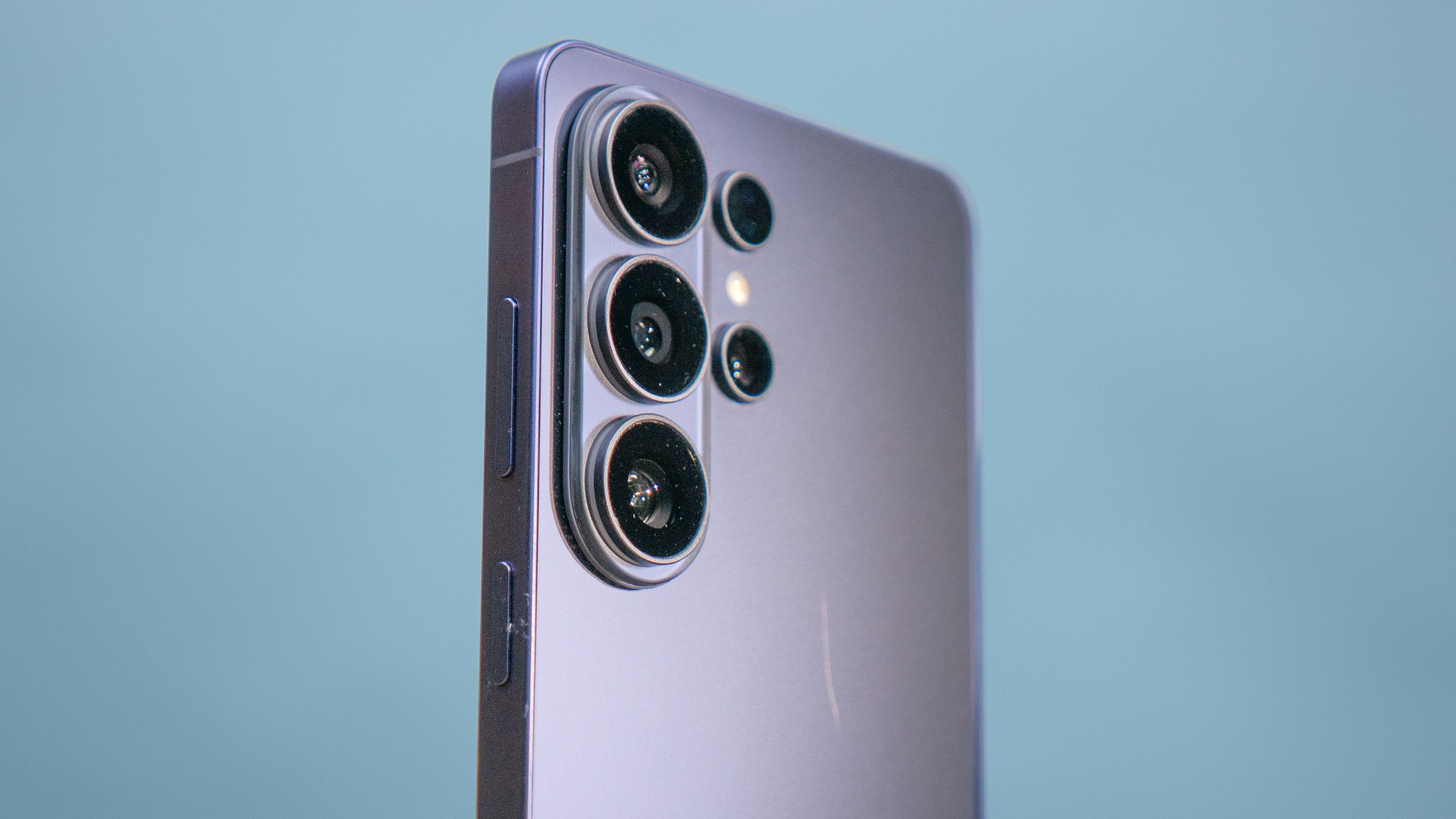
A fellow rumor points to a pillbox‑style horizontal camera bar replacing the floating vertical island Samsung has used since the S22. The reason isn’t just style: Qi2 magnetic wireless charging requires a circular magnet ring around the coil. The old camera island sits right where that ring needs to be, so moving the cameras becomes a practical necessity if Samsung wants to embrace Qi2 while preserving camera performance.
The horizontal bar would change the phone’s silhouette and accessory ecosystem: cases, mags and mounts will have to adapt. It’s also a rare instance of internal hardware (the charging magnet) dictating a visible design change — not the other way around.
Cameras, aperture and a chip refresh
On the optics side, several leaks converge on an updated 200MP main sensor — supposedly Samsung’s new ISOCELL HPA at 1/1.12‑inch — paired with a variable aperture system. That’s interesting because mechanical aperture has been absent from flagships for years; bringing it back could meaningfully improve low‑light exposure control and depth rendition.
The S27 Ultra is also rumored to favor a longer‑range periscope telephoto and drop the middle 3x step, while a separate S27 Pro model might occupy the “compact Ultra” role with similar primary and ultrawide cameras but a different telephoto setup. The idea of a smaller flagship that keeps Ultra-level cameras is tantalizing — and frustrating, if history is any guide. Samsung flirted with a Pro model last cycle in leaks that never materialized, and skepticism has been voiced by critics who’ve seen this pattern before (/news/samsung-galaxy-s27-pro-rumor).
Under the hood, the S27 line is tipped to run a new Snapdragon built on a 2nm process and adopt LPDDR6 RAM — a combination that should boost performance and efficiency. Expect familiar build cues (aluminum frame, IP68) and USB 3.2 speeds on the Ultra, according to one spec list.
Heat management getting serious
Phone cooling is another headline-making rumor: Samsung researchers reportedly mentioned exploring liquid cooling that connects directly to the application processor. Liquid or vapor‑chamber systems aren’t new in phones, but active liquid cooling and more aggressive thermal plumbing would be relatively rare for mainstream flagships. Mobile gaming phones such as some RedMagic models have experimented with active systems; if Samsung pursues a quiet, sealed liquid loop, it could enable sustained performance without throttling — or at least that’s the goal. There are obvious engineering hurdles (space, reliability, noise if fans are involved), but the conversation around active cooling at the industry level is heating up.
How much of this will arrive — and when?
Leaks place an S27 launch window in early 2027, giving Samsung time to validate battery chemistry, camera hardware and cooling approaches. That window also explains why some rumors feel exploratory: manufacturers often test multiple cell sizes and sensor configs before committing to a retail SKU.
Take the Pro model talk with a grain of salt. Past cycles show Samsung can and does change plans between leak season and launch. Still, if even a fraction of these ideas lands — bigger batteries, Qi2-ready magnet arrays, stronger cooling and a genuinely new camera silhouette — the S27 could be the most ambitious Galaxy redesign in years.
If you’ve grown used to incremental updates, the S27 chatter reads like a reset: a chance to rethink endurance, thermal limits and how hardware choices shape design. Whether Samsung will follow through is another matter, but the rumors are forcing a simple question: how big do you want your next flagship to be — in battery, camera ambition, or sheer engineering?