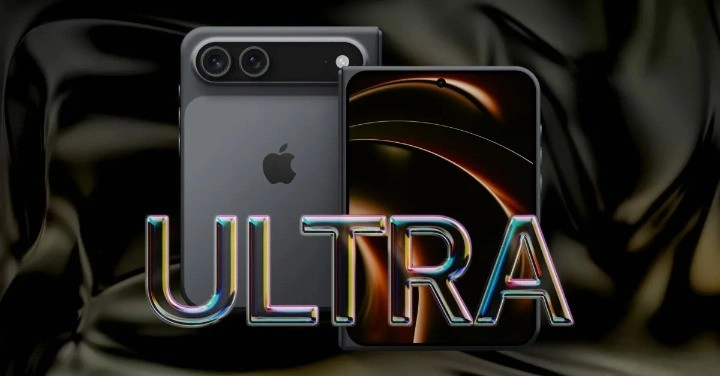
For more than a decade Apple has quietly kept a material in its pocket that could solve one of the trickiest problems in phone design: a hinge that survives years of folding. Recent leaks say that the company’s first foldable — widely referred to as the iPhone Ultra — may use that material, commonly called “liquid metal,” for the hinge.
A hinge with history
A Weibo post from the leaker Fixed Focus Digital claims Apple has chosen a liquid metal hinge and that prototypes have already been shipped to carriers for testing. That echoes earlier reporting: analyst Ming‑Chi Kuo first suggested a liquid metal alloy for key components in March 2025, and other supply‑chain whispers have named firms like Dongguan EonTec as potential suppliers.
Liquid metal isn’t a sci‑fi novelty. Apple struck an exclusive deal with Liquidmetal Technologies back in 2010 and renewed work on the material in later years. For most of that time, the company has used it sparingly — the SIM‑eject tool is the best known example — while filing patents and quietly experimenting with where the alloy’s combination of high strength, corrosion resistance and elasticity could pay off in consumer devices.
That long tail of R&D is why this leak feels different: this isn’t a one‑off rumor, it’s a thread that runs through 15–16 years of Apple filings, supplier chatter and analyst notes. Still, take the claim with the usual grain of salt; Fixed Focus Digital’s track record is mixed, and other insiders have suggested Apple has evaluated alternative hinge approaches such as 3D‑printed titanium.
What liquid metal would change — and what it wouldn’t
Hinges on foldables are under constant mechanical stress. Apple needs a mechanism that tolerates hundreds of thousands of open/close cycles without loosening, creaking or developing play. Liquid metal alloys, with a high strength‑to‑weight ratio and elastic behavior, could provide durability without bulky hardware.
If Apple pulls it off, the iPhone Ultra’s hinge could become a competitive advantage — a sturdier, slimmer mechanism that helps the device feel more like a single, contiguous product rather than a compromise squashed between phone and tablet. But adopting liquid metal at scale is not trivial: forming, tolerances, long‑term wear and manufacturing yield are all hurdles that likely account for why Apple has waited so long.
Leaks, specs and timing — the current picture
Multiple recent reports paint a fairly specific picture of Apple’s first foldable:
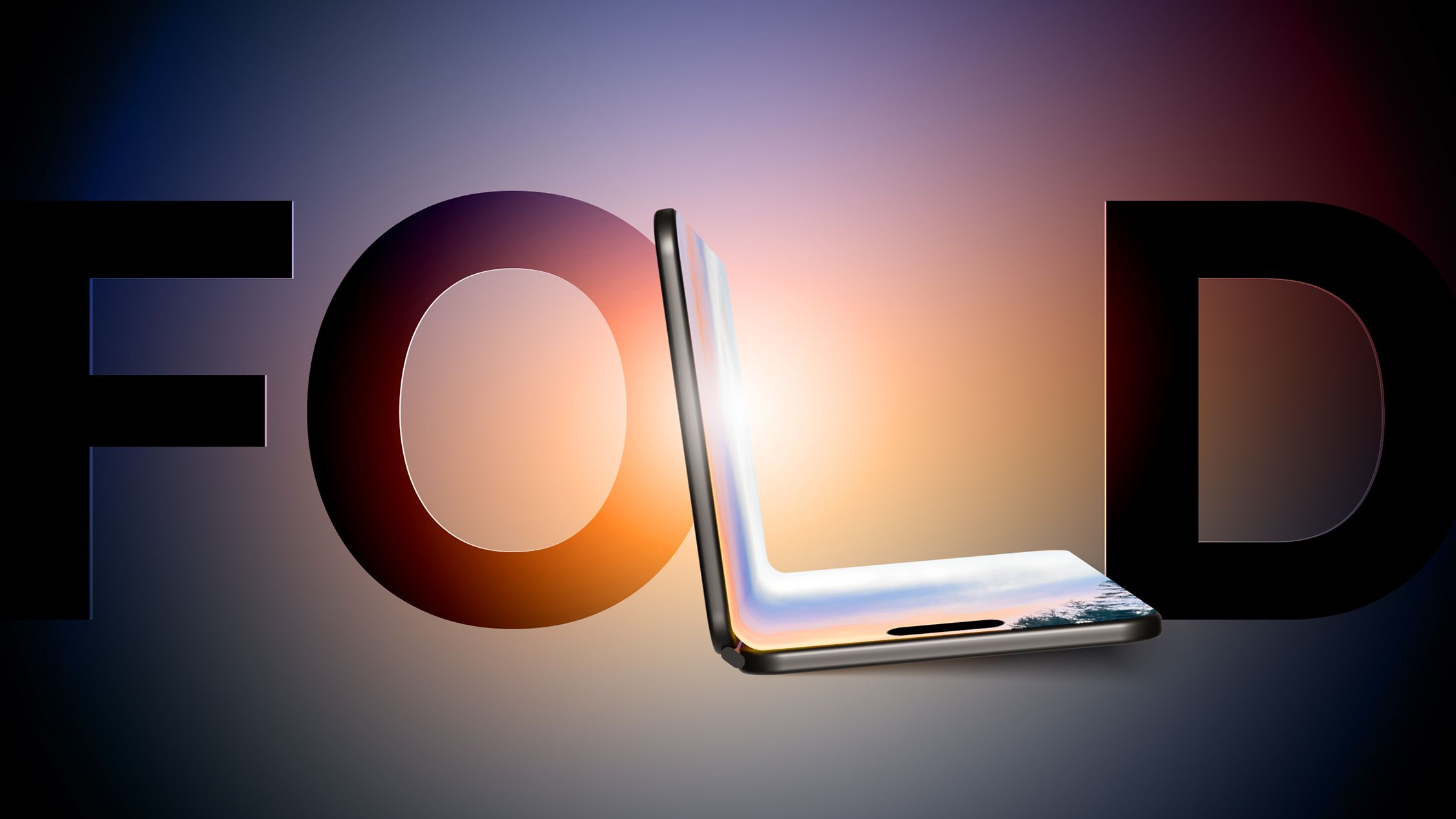
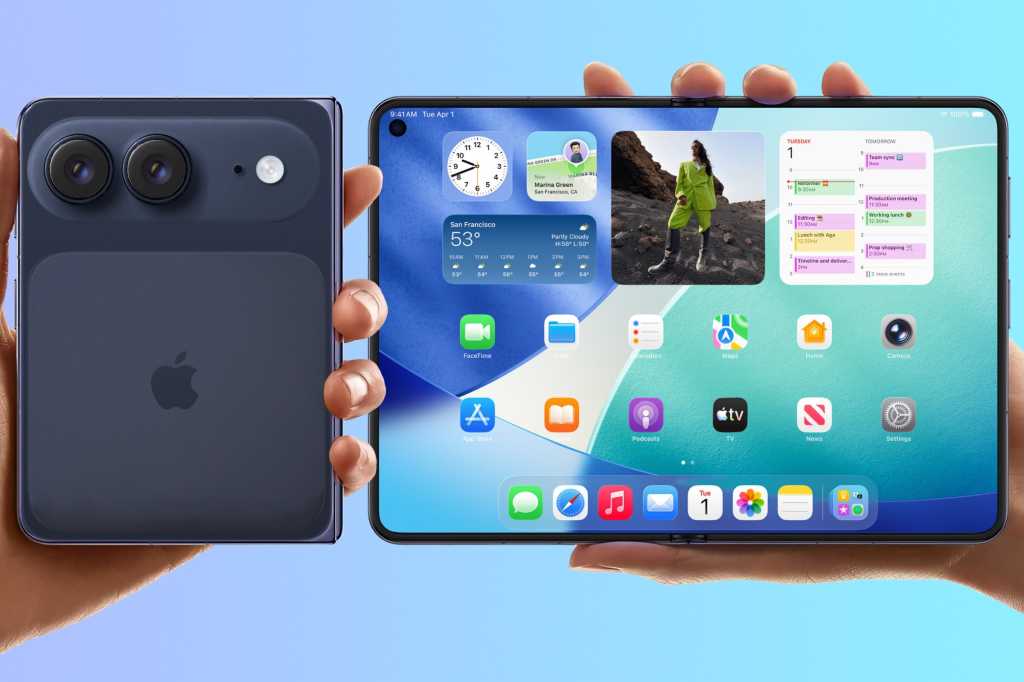
- Design: a wide, book‑style fold rather than a tall flip — mockups and a photo circulating online show a device that folds to a compact, nearly square footprint. That same wide‑fold identity has been used to describe the so‑called iPhone Ultra in other reporting, suggesting Apple is aiming for an iPad‑like inner canvas rather than a phone‑first form.
- Displays: rumors point to a roughly 7.8‑inch inner screen and a 5.5‑inch cover display.
- Hardware: an A20 chip, a C2 cellular modem, and the return of Touch ID (reportedly instead of Face ID) have all been mentioned.
- Cameras and size: expect two rear cameras; leaked dimensions suggest a thin device when folded (around 9.23mm without the camera island, 13mm with it).
- Cooling and durability: one recent leak also said the foldable will use a vapor chamber for heat dissipation, a nod to demanding performance and thermals.
- Colors and price: limited colorways such as Silver and Navy Blue have surfaced, and early price estimates start around $2,000.
Supply‑chain chatter has suggested mass production could begin in July if Apple keeps its September window for an announcement, though shipping could still slip into later months depending on yield and carrier certifications. Prototypes reportedly being in carriers’ hands would be a milestone if true, since carriers run their own network and feature tests before approving devices for sale.
If you want more background on how Apple’s wide fold design could reshape the market, there’s additional coverage that traces the Ultra’s styling and ambitions around the iPhone Ultra concept. And if you’re tracking delivery risks, analysts have flagged possible slips that could push shipments past the initial announcement period toward later shipping.
A note on leaks and engineering reality
There’s a string of claims and counterclaims in the rumor mill. Some insiders have pointed to hinge failures in stress testing; others say those were misattributions and that Apple has resolved the issue. Rumors about vapor‑chamber cooling and liquid metal appear to come from different leakers, so they may reflect separate development branches or stages.
What matters is that Apple has been methodical with exotic materials in the past: the company licensed liquidmetal years ago and only used it where it could be reliably manufactured. Moving from small parts (like ejector tools) to a structural, load‑bearing hinge is a big leap — but one that would justify the long research timeline if it proves robust enough.
For now, the story is an intriguing mix of engineering patience, materials science and supply‑chain choreography. If Apple can scale liquid metal for a hinge and ship a wide fold that feels durable and polished, the iPhone Ultra could be the kind of hardware moment that finally nudges mainstream buyers toward foldables. If not, it will be another reminder of how fiendishly hard it is to redesign how we hold a phone.
Either way, the next few months — carrier tests, alleged July production ramp, and the rumored September announcement — will tell us whether a 15‑plus year experiment in materials science is about to show up in your pocket.