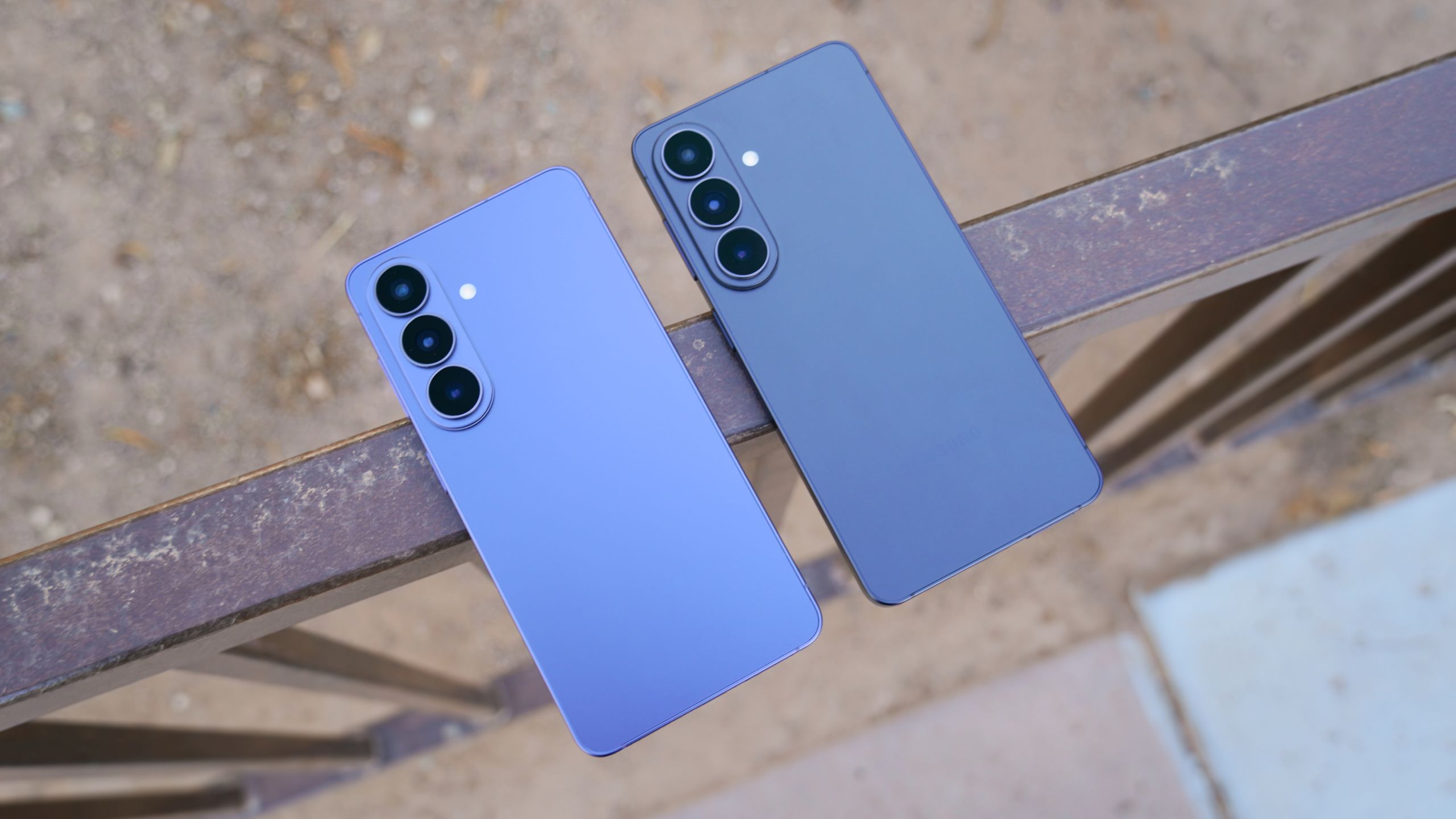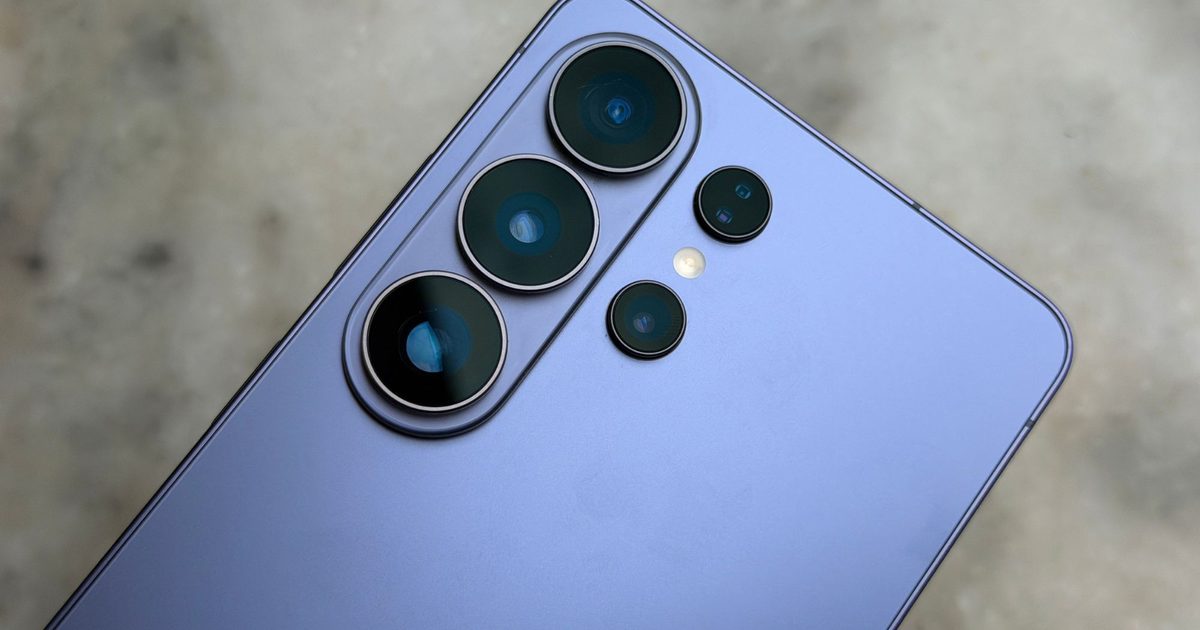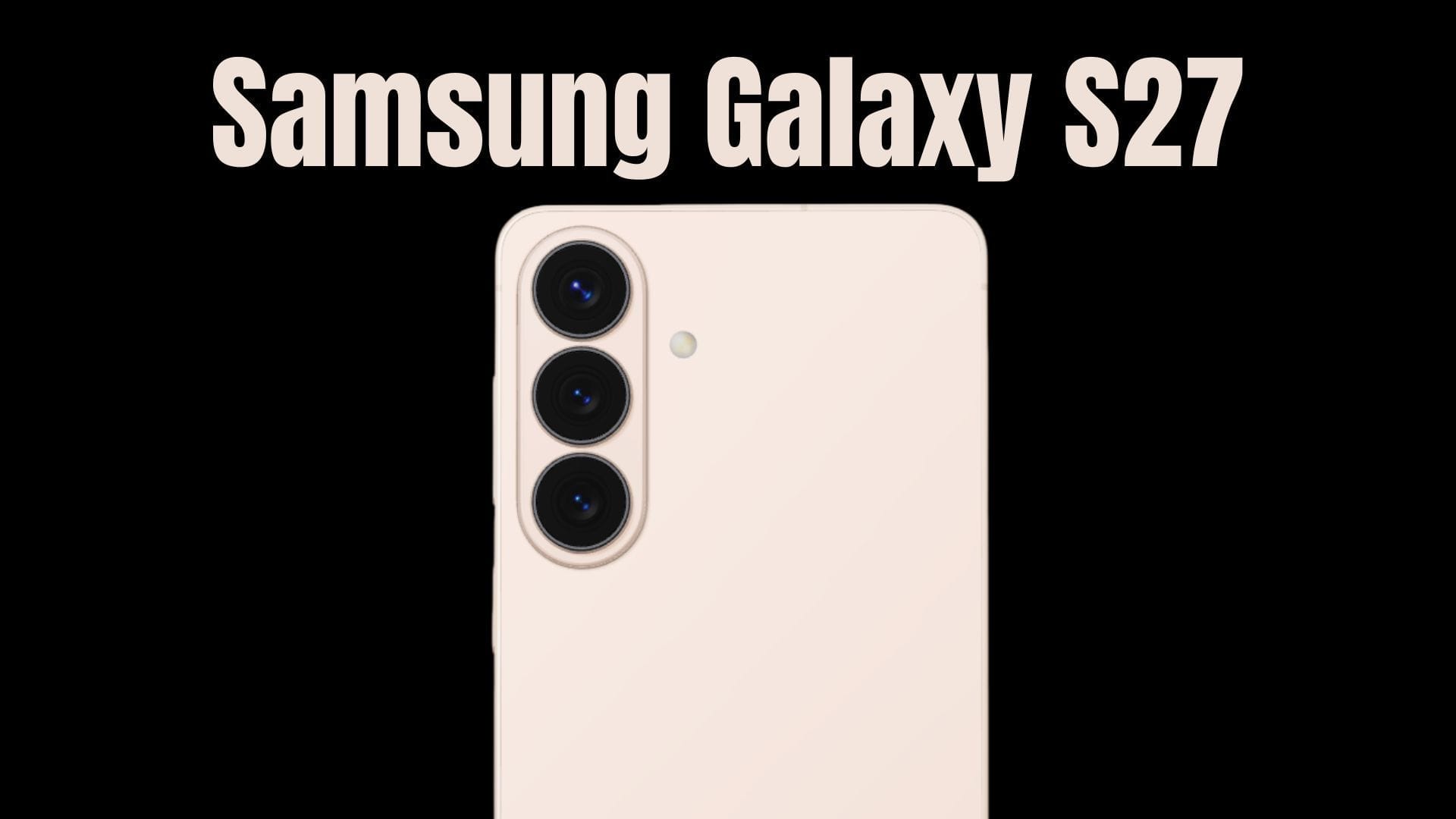
Samsung’s next flagship family may be headed for an awkwardly good problem: the rumored Galaxy S27 Pro is starting to sound more appealing than the Ultra.
A fresh leak suggests the new Pro model could come with a 5,000mAh battery and a 6.5-inch display, two details that instantly make it feel less like a placeholder and more like a carefully aimed middle ground. That battery number won’t wow anyone on a spec sheet in isolation — Samsung has used it before — but it has a habit of translating into the kind of all-day endurance people actually notice. Pair it with Qualcomm’s rumored Snapdragon 8 Elite Gen 6, and the result could be a phone that lasts longer without needing to grow into a giant slab.
That’s really the appeal here. Samsung seems to be shaping the S27 Pro as a smaller, less cumbersome alternative to the Ultra, without pushing it all the way down into “trimmed-down compromise” territory. If the leaks are right, it lands in that awkward gap Samsung has left open for years: too many people find the Ultra too large, too expensive, or too stylus-heavy for daily use. A 6.5-inch screen could hit a much friendlier balance, especially for anyone who wants a premium Galaxy that still fits in a pocket without a fight.
There’s also a broader lineup story developing around this phone. Multiple reports now point to Samsung splitting the S27 family into a four-device structure, with the standard S27 and S27 Plus on one side and the Pro and Ultra on the other. That would bring Samsung closer to Apple’s familiar tiering, but with a twist: the Pro could be the “Lite Ultra” many Galaxy fans have wanted for a while. Android Police’s early look at the Galaxy S27 Pro lines up with that idea, arguing that the device may finally close the uncomfortable distance between Samsung’s regular flagships and its most expensive model.
The rumored specs backing that up are pretty serious. Previous leaks point to 12GB of RAM, 256GB of storage, a 200MP main camera, a 50MP ultrawide, and a 50MP telephoto lens with 3.5x optical zoom. Add in a 12MP selfie camera, Wi-Fi 7, Bluetooth 6.0, UWB, NFC, USB 3.2 Type-C, and 60W wired charging, and you start to see why this model is getting attention well beyond its name. It sounds less like a cut-down option and more like Samsung trying to carve out a distinct premium tier.
That said, Samsung is also reportedly drawing a clear line between the Pro and Ultra. Earlier leaks suggest the Pro won’t get the S Pen, which remains one of the biggest differentiators for the Ultra crowd. A separate rumor also says the phone may include a Privacy Display, a feature Samsung has already tested in its current flagship lineup and one that could make the Pro feel surprisingly advanced for a device that isn’t wearing the Ultra badge. For buyers who liked the privacy screen idea but didn’t love the rest of the Ultra package, that kind of crossover could be very tempting.
The battery rumor matters for another reason too: it hints that Samsung may be getting more confident about balancing capacity and size without chasing flashy extremes. Geeky Gadgets recently suggested the S27 Ultra could go much bigger on battery capacity, possibly leaning on silicon-carbon technology, while also reshaping its rear design to make the internals work. Even if the exact numbers change before launch, the direction is clear — Samsung seems determined to make the next generation feel more practical, not just more powerful.
That practical angle is what makes the Pro interesting. If Samsung follows through, it could end up being the phone for people who want a flagship that feels premium in use, not merely in marketing. And if you’ve been frustrated by how far apart Samsung’s base and Ultra models have drifted, that middle lane suddenly looks a lot less boring.
For now, though, this is still leak season. Samsung has months to change course, tweak the lineup, or quietly make the Pro disappear into a stream of prototype noise. But if even half of these details stick, the Galaxy S27 Pro may be the rare phone that makes the most sense before it ever ships.