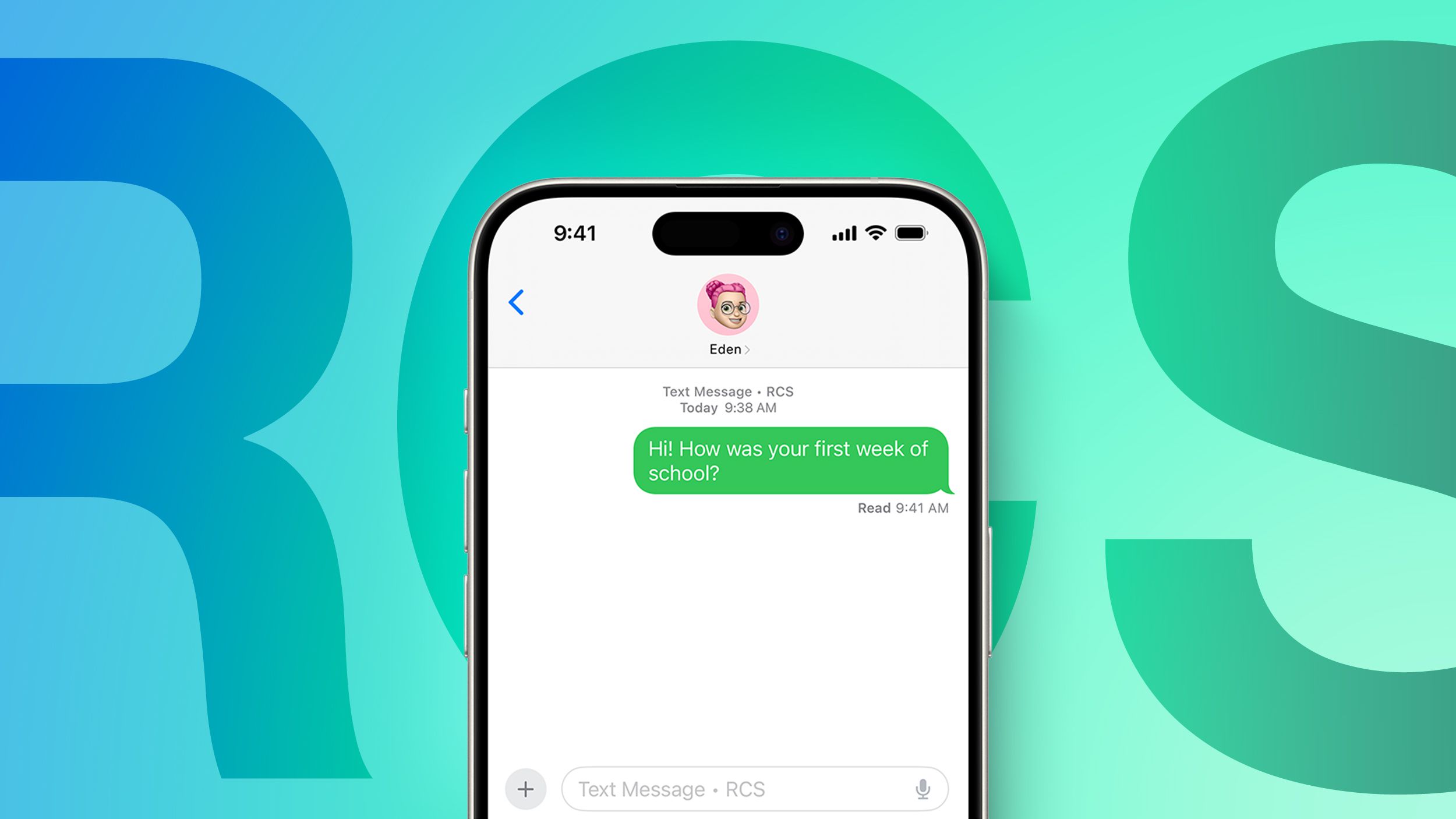
Apple’s latest iPhone beta is quietly doing something that a lot of Android-iPhone texters have wanted for years: it is making RCS chats feel much more like real conversations.
With iOS 27 beta 2, Apple has added inline replies to RCS conversations, so iPhone users can now long-press a message from an Android contact and respond directly to that specific text. It sounds small. It isn’t. Threaded replies are one of those everyday features that make busy group chats and back-and-forth exchanges far easier to follow, especially once messages start flying.
The update also fixes another irritation. In earlier iOS versions, reacting to a photo or video in an RCS chat could look awkward, with Apple turning the reaction into a text-style descriptor instead of placing the emoji on the media itself. iOS 27 now shows those reactions properly, much closer to how they appear in iMessage.
That brings Apple’s green-bubble experience another step closer to parity with its own messaging system. It also continues a broader shift that started with RCS support in iOS 18 and accelerated when Apple rolled out end-to-end encryption for cross-platform RCS in iOS 26.5. The company has spent the past year and a half sanding down the rough edges of iPhone-to-Android messaging, and this beta shows it is not done yet. If you’ve been tracking the slow upgrade of Apple’s cross-platform messaging stack, it fits neatly alongside iOS 26.5’s encrypted RCS rollout and the broader iOS 27 stability-and-AI push.
There’s also a standards story behind all of this. The new behavior lines up with RCS Universal Profile 2.7, which includes support for replies and improved reactions, along with other features like editing, recalling, and deleting messages. Apple has not yet exposed all of those capabilities in iOS 27 beta 2, but their inclusion in the standard leaves open the possibility that more is coming in later builds.
That matters because Apple’s first pass at RCS was always a bit conservative. The initial implementation was enough to modernize basic texting, but not enough to fully erase the gap between iPhone and Android chats. Now, with replies, cleaner reactions, and encryption in place, RCS is starting to look less like a compatibility layer and more like a genuine bridge.
There is one catch, and it is the same catch that applies to most RCS features: both sides need the right setup. For reply threading to work properly, the sender and the recipient need smartphones, carriers, and service configurations that actually support RCS. In other words, the feature may be in the software, but the network still has a say in whether it shows up.
The feature is rolling out in developer beta form for now, with Apple expected to open a public beta in July and ship iOS 27 more broadly in September. Early testers are already spotting the changes in the Messages app, and while the implementation still appears a little rough in places, the direction is clear. Apple is steadily making the green-bubble experience less awkward, one missing iMessage trick at a time.
And yes, there are still plenty of people who would rather Apple let them customize chat bubble colors first.