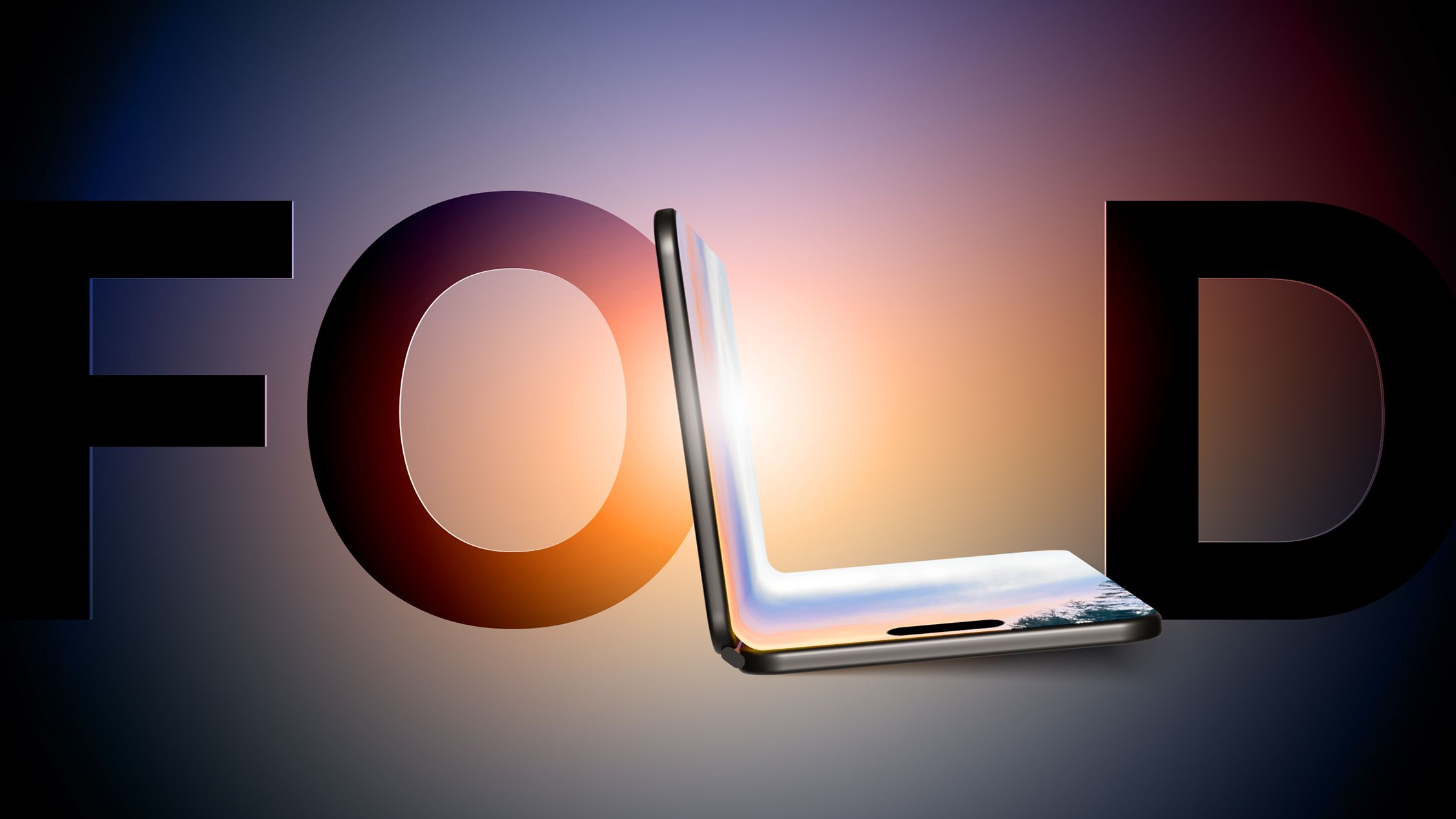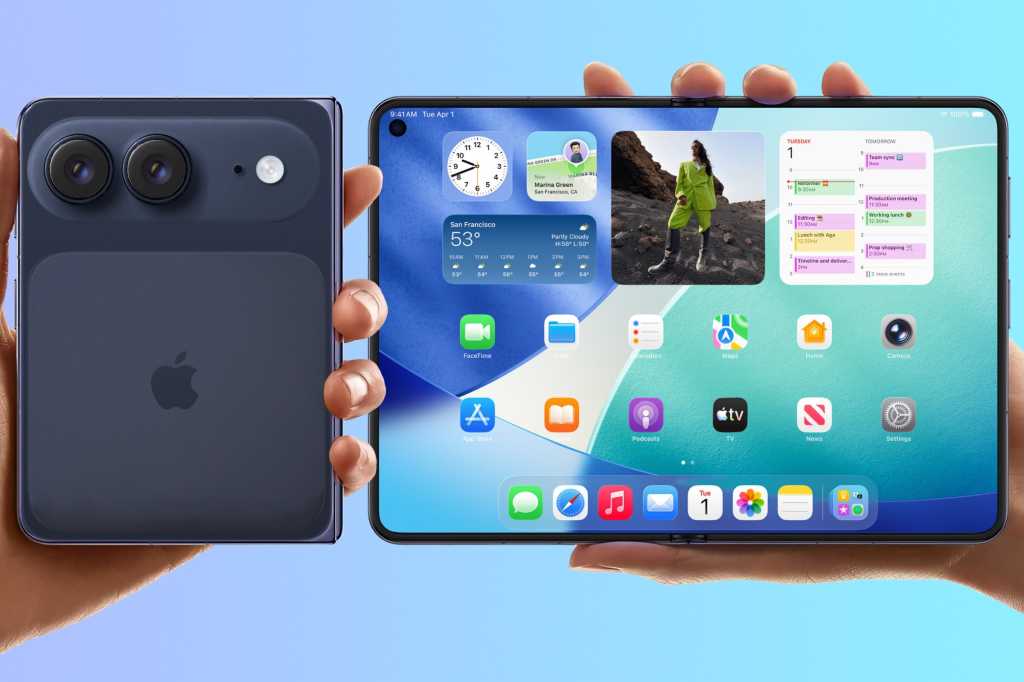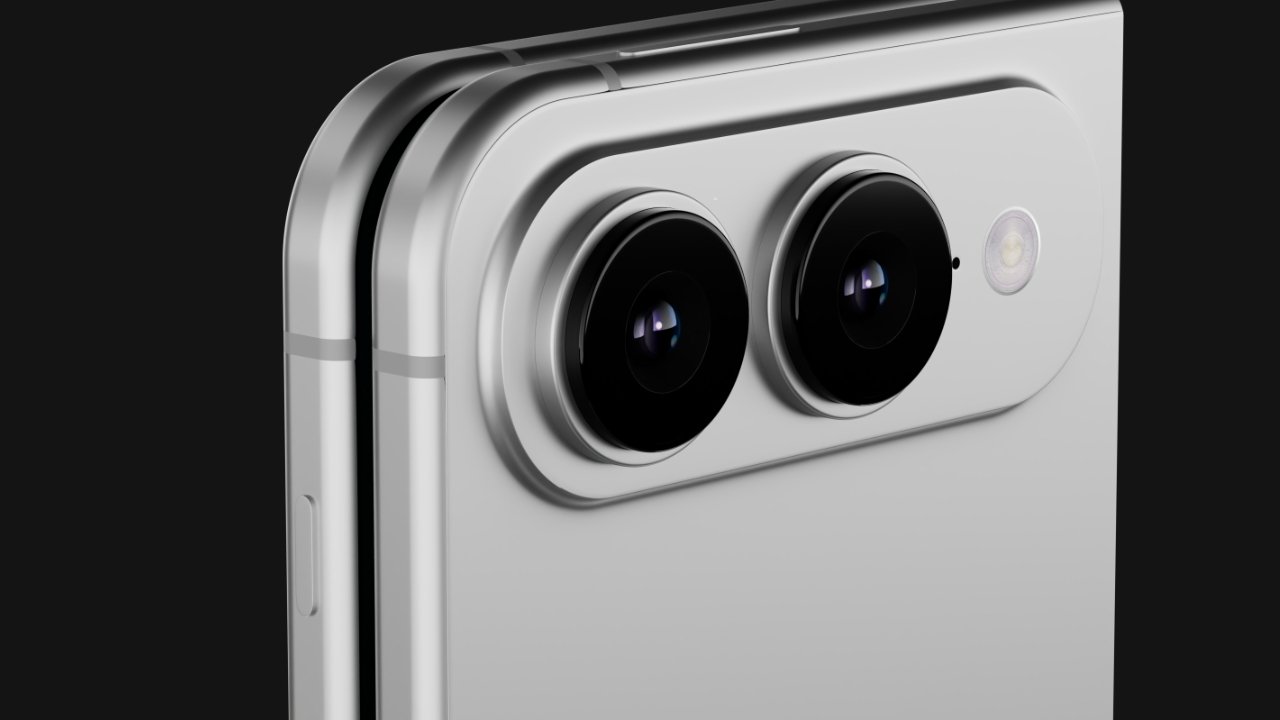
Apple’s first foldable iPhone is starting to look less like a long-running rumor and more like a phone that is actually moving through the supply chain.
Multiple reports from the past few days point in the same direction: Samsung Display has apparently begun OLED panel production for Apple’s foldable, after clearing Apple’s quality bar and hitting yields above 80%. The panel maker is said to be producing the screens in Vietnam, and Apple has reportedly placed an initial order for 3 million units this year.
That’s not a tiny test run. For a first-generation foldable, it suggests Apple is preparing for a serious launch, not a token experiment.
The screen is moving, even if the launch date still isn’t settled
The latest reporting also sharpens the picture around the display itself. Earlier chatter said Apple would rely on Samsung Display’s M14 stack, but newer supply-chain claims suggest the company has gone with Samsung’s newer M16 OLED material instead. That matters because the M16 stack is said to bring higher brightness, better color reproduction, improved power efficiency and a longer lifespan.
The panels are also expected to use Color Filter on Encapsulation, or CoE, a technique designed to make foldable OLEDs thinner, brighter and more efficient. Samsung has used similar display advances in its own foldables, and Apple appears to be borrowing the parts of the playbook that already work.
The timing, though, remains a little messy. One camp says the foldable iPhone — likely to be marketed as the iPhone Ultra — will debut in September alongside the iPhone 18 Pro. Another says there could be a short slip, with an announcement still landing in the fall but sales sliding into October or even early 2027 if Apple decides to slow-roll the rollout. A separate supply-chain report adds more fuel to the September theory, while also leaving enough room for confusion over whether Apple means launch, announcement, or first shipment.
That distinction matters. Apple has a history of announcing products before shipping meaningful volumes, and a foldable would be a particularly Apple-ish device to tease in September and then drip-feed into stores a little later.
The hinge may be the real hold-up
For once, the display may not be the hard part.
The messier problem appears to be the hinge. Reports say Apple is using a 3D-printed hinge module that has run into unwanted noise during testing, which could force a delay of roughly 15 days to a month. In other words, the screen is ready enough to start production, but the mechanical heart of the device is still being tuned.
That lines up with Apple’s usual first-gen caution. It also fits the broader foldable story: the category lives or dies on durability, and tiny mechanical flaws become very obvious once you start folding a phone hundreds of times a day. Samsung, Motorola and others have spent years sanding those edges down. Apple is trying to enter the market with a product that feels finished on day one — which is exactly why it may be moving so deliberately.
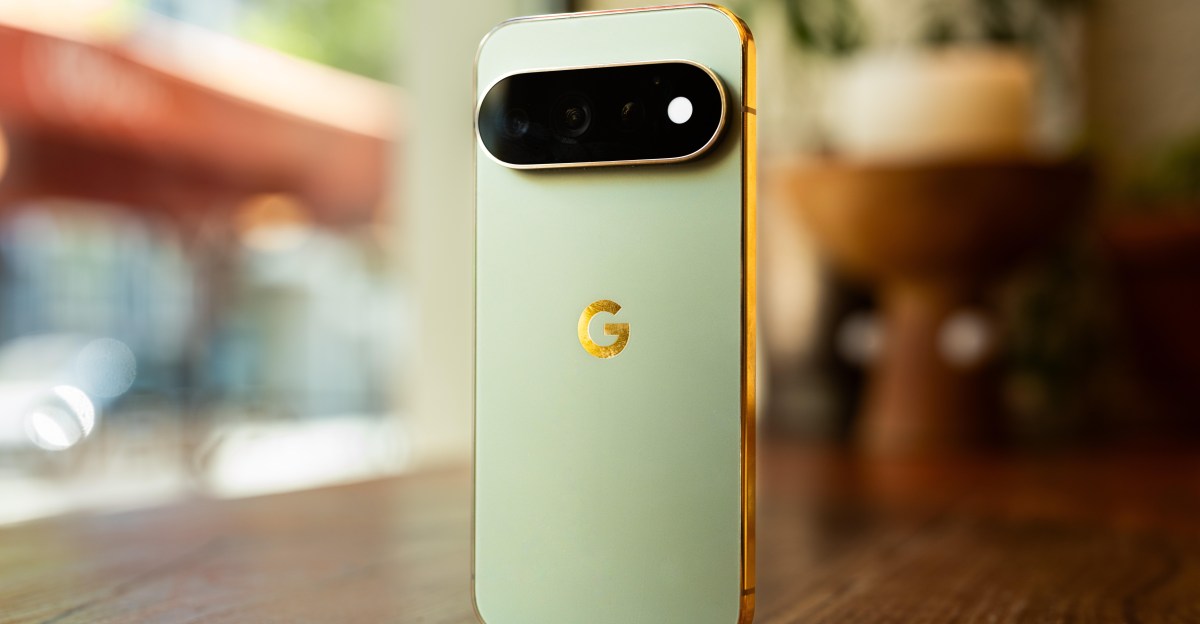
There’s also the practical side of launching a foldable in an iPhone lineup that otherwise looks relatively conservative this year. Apple’s iPhone 18 Pro is expected to carry much of the traditional flagship load, while the foldable becomes the attention magnet. And if Apple does ship in volume, it’ll be doing so into a market that already has foldable competition from Samsung, Google, Honor, Motorola and others — a point Creative Bloq recently framed well in its look at whether the iPhone’s folding debut may arrive after the wow factor has already started to fade.
Apple is betting on size, not surprise
The 3 million-unit initial order is the clearest sign that Apple sees this as more than a niche demo device. For a first foldable, that’s a substantial figure. It suggests the company expects real demand, or at least wants the supply chain ready if demand shows up fast.
It also hints at how Apple may position the device: premium, limited, and expensive. The company’s foldable is widely expected to become the priciest iPhone ever, with earlier leaks pointing to a starting price well above the Pro models. That would make sense if Apple is aiming for a halo product rather than a mass-market breakthrough.
In that light, the screen specs matter almost as much as the launch date. Better power efficiency, brighter output and improved color all help offset the compromises that come with powering two displays and a more complex chassis. It’s the sort of behind-the-scenes engineering that usually matters more than the marketing slogan — though Apple will almost certainly have one ready anyway.
For now, the clearest signal is that the pieces are finally aligning. Samsung Display has reportedly started work, Apple is guiding suppliers toward September, and the remaining uncertainty seems to sit with the hinge rather than the panel. That’s a much more concrete position than the rumor cycle had even a few months ago, and it lines up with the growing confidence seen in reports from 9to5Mac and AppleInsider that Apple’s foldable is no longer just a concept drawing with a lot of hype around it.
If Apple does take the stage this fall, the new device may not be trying to reinvent the smartphone so much as prove that it can still be bent into a shape people want to carry.