If your Android ever used cellular data, there’s a decent chance the phone sent information back to Google — and that behavior is at the center of a newly reached $135 million settlement.
What happened
A class-action case brought as Joseph Taylor v. Google alleges that, beginning in 2017, Android updates caused mobile devices to transmit various information to Google over users’ cellular connections without meaningful consent or an opt‑out. Plaintiffs say the transfers happened in the background — sometimes even when location was turned off or apps were closed — effectively making customers pay for the phone activity with their own data plans.
Google denies wrongdoing but agreed to settle. The court has given preliminary approval and a final approval hearing is set for June 23, 2026.
Who might get money
To be part of the settlement class you generally must be:
- A living U.S. resident (including territories)
- Someone who used a mobile device running Android and accessed the internet via cellular data between Nov. 12, 2017 and the court’s final approval
- Not part of a separate California-only case (Csupo v. Google), which covers similar claims
- Check your mail and email for notices titled something like "Joseph Taylor, et al., v. Google LLC" or Case No. 5:20‑cv‑07956‑VKD. Notices contain instructions and a link to the settlement site.
- If you want to be excluded (keep the right to sue separately), the deadline to opt out or object is May 29, 2026.
- To receive a payment you must provide payment details via the settlement administrator’s Payment Election form. The court’s final approval hearing is June 23, 2026; the settlement documents indicate you should submit payment preferences by the time the distribution plan is finalized.
The settlement administrator estimates roughly 100 million people could be eligible.
How much you could receive
No one is guaranteed a payment, and the exact distribution depends on how many people file claims and how much of the fund is awarded to attorneys and costs. Court papers cap individual payments at $100. Plaintiffs’ lawyers are expected to request a substantial slice of the fund for fees (public reporting indicates they may seek roughly 29.5% plus expenses), so if a very large share of the estimated 100 million people submit valid claims the practical payout could be much smaller — in some scenarios, under a dollar per person after fees.
What Google agreed to change
Beyond the monetary fund, Google agreed to changes in how it discloses and obtains consent for certain data collection on Android. That includes clearer notices for new-phone set‑up, a toggle to control specific data flows, and more transparent terms. The settlement language aims to make future Android users less likely to be surprised about what telemetry or background transfers occur.
Why this matters beyond the payout
This case isn't just about money. It touches on a broader debate: when does routine device telemetry cross the line into consumers’ paid-for resources or private data? Regulators and plaintiffs have increasingly challenged how device makers document background activity and consent. The same legal rhythm has produced other sizeable settlements over voice assistants and unintended data capture — Google independently reached a separate preliminary deal in a Google Assistant case earlier this year — and judges and companies are watching these outcomes closely.
Practical steps if you think you're affected
If you need contact details, the settlement administrator lists mail and phone options for inquiries: Federal Cellular Class Action, 1650 Arch Street, Suite 2210, Philadelphia, PA 19103; [email protected]; toll‑free 1‑844‑655‑4255.
A couple of technical side notes
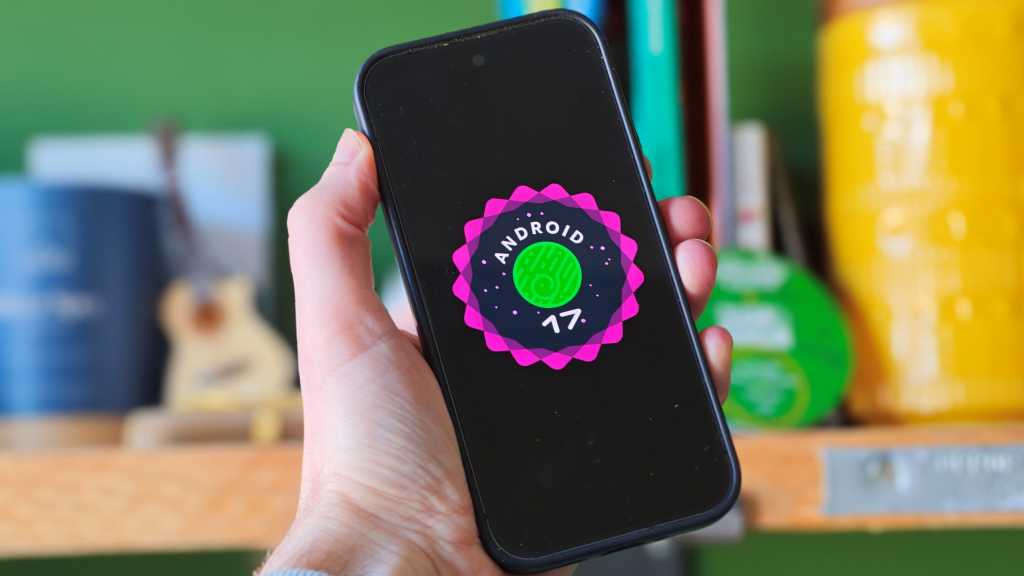
This case arrives as Android continues to evolve. Developers and users are juggling new OS features and privacy controls in recent releases — for example, the Android 17 beta has been rolling out platform tweaks — and Google’s policy decisions about app distribution and app-store flows remain in flux. These shifts in the Android ecosystem matter because how Google documents and exposes background services and opt‑outs ties directly to the kinds of disclosures the settlement requires. If you follow Android updates closely, the platform work happening in areas like connectivity and permissions will be relevant to how these promises get implemented over time. See coverage of recent Android platform changes and Google policy moves for context: Android 17 beta features and fixes and reporting on Google’s sideloading and policy changes.
A final note: settlements resolve claims without a judicial finding of liability. Google has not admitted to breaking the law; the company says it settled to avoid the expense and uncertainty of prolonged litigation. For many people the immediate question will be practical: did you get a notice, do you want money, and do you want to keep the option to pursue separate litigation? The answers determine whether you click "opt out," fill out a payment form, or do nothing and remain part of the class.
If you want help checking eligibility or navigating the paperwork, consider bookmarking the official settlement site (listed in mailed notices) or calling the administrator number above.