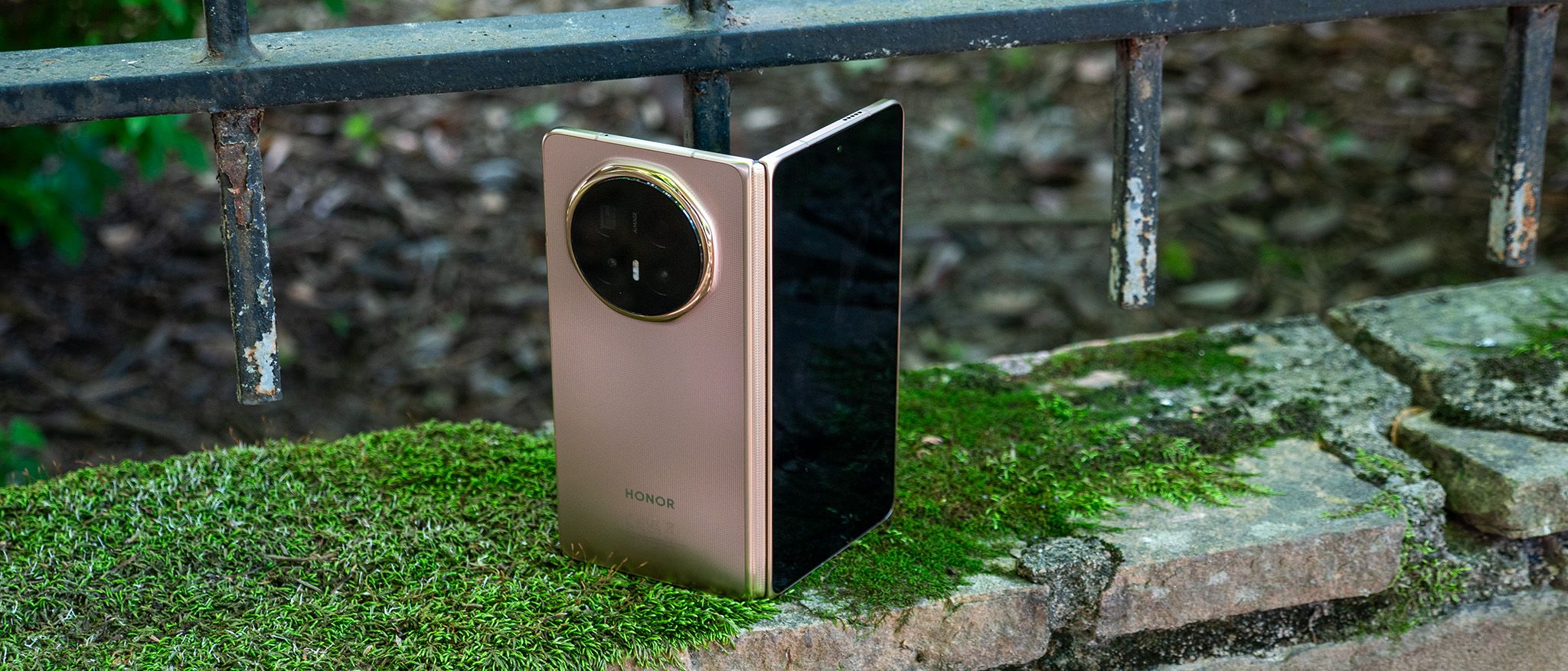
Honor has spent the last few years chasing a simple idea: make a foldable that doesn’t feel like a trade-off. With the Magic V6, it may have finally pulled that off.
This is the thinnest book-style foldable Honor has shipped, but the millimeters are only part of the story. The Magic V6 also brings the biggest battery ever stuffed into a foldable, IP68 and IP69 protection, a Snapdragon 8 Elite Gen 5 chip, fast wired and wireless charging, and cameras that reviewers say no longer feel like the weak link. That combination is rare enough. On a foldable, it borders on obnoxiously ambitious.
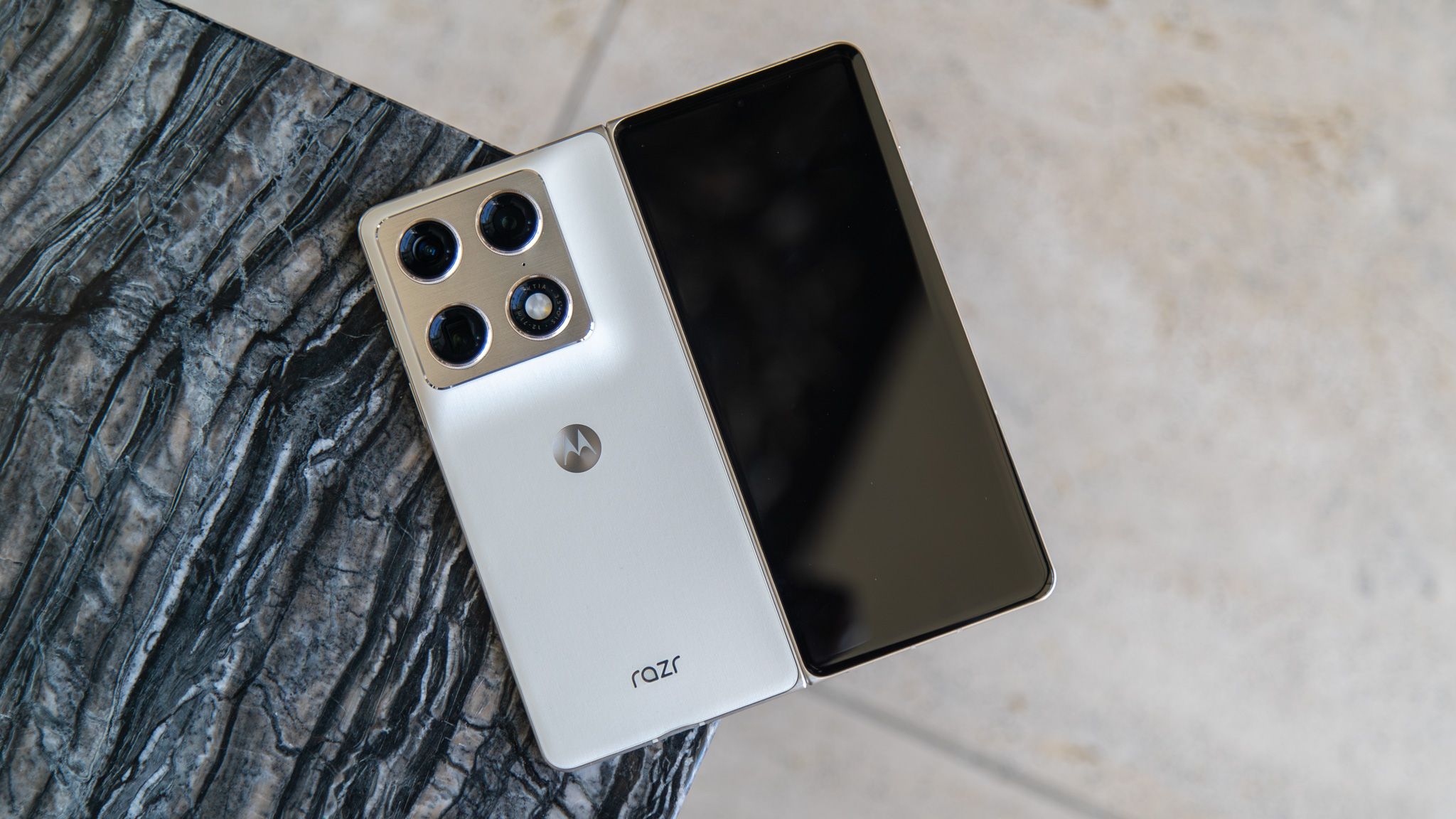
The phone’s design still looks familiar if you’ve seen the Magic V5, but the refinements matter. The camera bump is smaller and better balanced in the hand, the hinge feels sturdier, and the whole device sits more naturally in a pocket. Honor even managed to trim the body down to around 4.0mm unfolded and 8.75mm to 9.0mm folded depending on the variant, while keeping the weight at a very reasonable 219g to 224g. It’s a neat trick, and one that makes Samsung’s latest Fold look less like the inevitable end point of the category than just another stop along the way. If you want the broader battle lines, we’ve been tracking them in Samsung’s Galaxy S26: clever new features, uneven real-world trade-offs and Motorola’s Razr Fold: pre-orders, specs and why this one matters.
The displays are a big part of why the Magic V6 feels so complete. The 6.52-inch cover screen is larger than before, and the 7.95-inch inner panel is still the sort of mini-tablet that makes split-screen work actually useful instead of theoretical. Both are LTPO OLED panels with high refresh rates, 10-bit color, anti-reflective coatings, and extremely high PWM dimming to help reduce flicker. Honor also leans hard into eye-comfort features, from anti-glare treatment to myopia-reducing tools and dimming options that should matter to people who are sensitive to bright or flickery displays.
That matters more than it sounds. Foldables are supposed to be productivity machines, yet plenty still behave like fragile luxury toys once you actually open them up and start juggling emails, documents, maps and messaging apps. Honor’s software has been getting better, and MagicOS 10 is the strongest version yet. The interface now includes more practical multitasking tools, a persistent taskbar, improved split-screen options, and a recents view that feels less awkward than older Honor builds. There’s also deeper ecosystem work here, including easier file transfers and app continuity with Honor laptops and noticeably better ties to Apple gear than you’d expect from an Android phone. One of the more eyebrow-raising additions is the broader compatibility with iPhone↔Android file sharing style workflows through Quick Share/AirDrop interoperability, which is the sort of thing that used to sound impossible until companies stopped pretending the smartphone world was a walled garden and started acting like people actually switch devices.
Still, the software isn’t spotless. That’s the recurring criticism from nearly every reviewer: the hardware is nearly immaculate, but MagicOS can still be fussy in ways that feel beneath a phone this expensive. Some apps refuse split-screen support for no good reason. The app drawer can lag if you rush it. A few UI choices still look like they were designed by committee. Engadget called the device a “mechanical marvel” and also a reminder that Honor’s software team has work to do, while The Verge’s assessment was similar: the upgrades are real, but the biggest obstacle remains MagicOS, not the hinge or the battery.
And about that battery. This is the spec that keeps showing up in every review for a reason. The global model packs a 6,660mAh silicon-carbon battery; Chinese versions go even larger. That’s enormous for a foldable, and the results are exactly what you’d hope for. A heavy day is apparently easy, a second day is often within reach, and video playback numbers are excellent. Fast charging helps too, with 80W wired and 66W wireless support, plus reverse charging for good measure. In other words, the Magic V6 behaves less like a fragile experiment and more like a normal flagship you can trust not to die at 4 p.m.
The cameras may be the most important upgrade after the battery. Foldables have long suffered from the same compromise: great screens, excellent multitasking, and camera hardware that lags behind similarly priced slab phones. Honor seems to have decided that excuse has expired. The Magic V6 uses a 50MP main camera, a 64MP 3x telephoto, and a 50MP ultrawide, and reviewers across the board say the results are finally competitive with conventional flagships. Android Central went so far as to call it the best camera on a foldable outside China, noting especially strong zoom detail. Engadget was a little more cautious about color rendering and some AI-heavy portrait processing, but even there the message was clear: this is no longer the camera section that makes you shrug.
That shift matters in a bigger way than it might seem. Honor is trying to make the Magic V6 the phone you buy instead of the foldable you settle for. That’s why it’s leaned so hard into durability, battery life, charging speed and cross-device features. It’s also why the company keeps pushing the idea that the V6 can sit comfortably in mixed-device homes, whether that means syncing with a Mac or playing nicely with an Apple Watch and AirPods. It sounds like marketing fluff until you realize how much time people actually spend moving files, notifications and media between ecosystems. One reason foldables are becoming more appealing to professionals is exactly what why the next work phone won’t be a bar phone describes: the phone is no longer just a phone, it’s a portable workspace.
There are still limits, of course. Availability remains patchy depending on region, North America is still off the map, and the best version of the battery is reserved for China. But in markets where the Magic V6 is on sale, it now has a very strong claim to be the best foldable you can buy. Not the most experimental. Not the one with the loudest design gimmick. Just the one that most convincingly behaves like a finished product.
That’s probably the real story here. Foldables used to be about proving the category could exist. The Magic V6 is about proving it can be better than the phones we already carry every day — and, for once, it doesn’t sound like Honor is asking us to imagine that future. It’s just handing over the device.