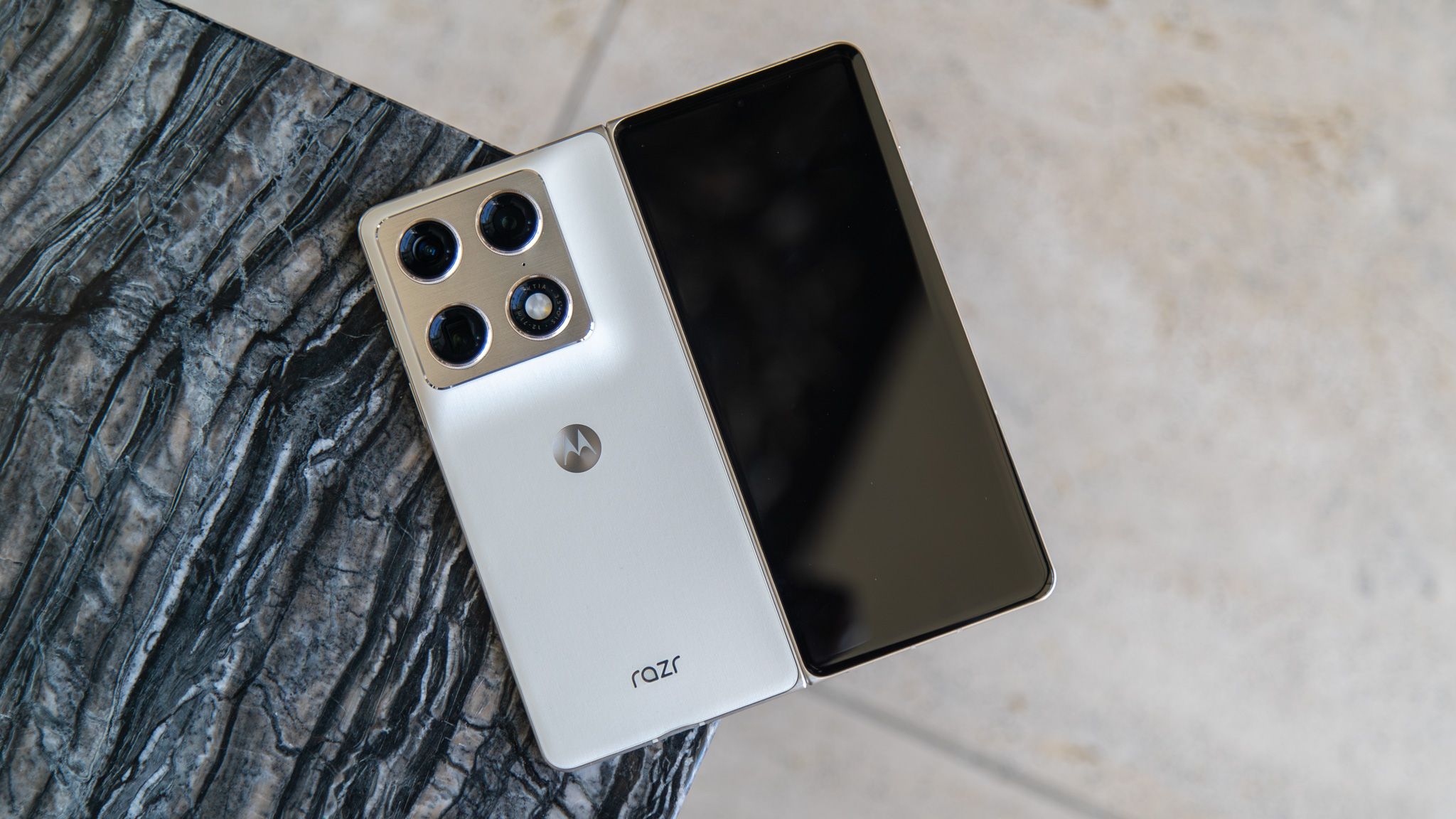
Motorola’s 2026 foldable push has a clear theme: bigger ambitions, bigger price tags, and a few compromises that are getting harder to ignore.
The company now has a more complete Razr family than ever, with the new Razr Fold joining the familiar clamshell-style Razr Ultra. On paper, that should make Motorola look stronger than it has in years. In practice, the reviews and early reactions paint a more complicated picture. The hardware is often excellent. The pricing, less so. And in a market where Samsung keeps nudging the conversation with devices like the Galaxy S26 Ultra and its foldables, Motorola has to work harder than just “looking cool.”
The Razr Ultra still feels like Motorola’s best flip phone — but not its smartest buy
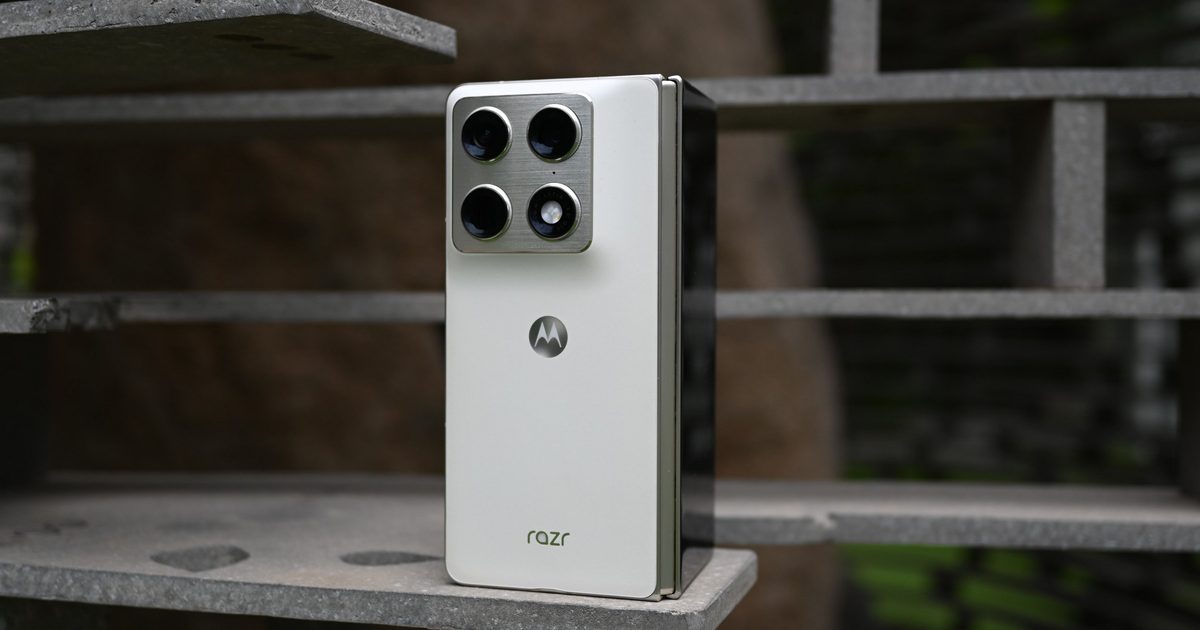
The Razr Ultra (2026) remains the company’s most polished clamshell foldable. It has a fast Snapdragon 8 Elite chip, 16GB of RAM, a larger 5,000mAh battery, and a camera system that finally sounds like it belongs on a premium device. The new 50-megapixel main sensor with LOFIC tech seems to be the real upgrade here, giving the phone noticeably better dynamic range and stronger low-light performance than last year’s model.
That said, the upgrade story is awkward. Motorola raised the price to $1,499.99, and the phone still uses the same chip as the 2025 model. That’s a rough combination when rivals are not only cheaper, but also moving faster on certain features. Even with its sleek design, bright inner display and quick charging, the Razr Ultra feels more like a refinement than a leap.
For buyers who want the best flip phone Motorola makes, it still has the edge. For everyone else, the price is doing a lot of damage. As BGR put it, this is the best flip phone money can buy — but also one of the easiest to hesitate over.
The Razr Fold is the bigger surprise
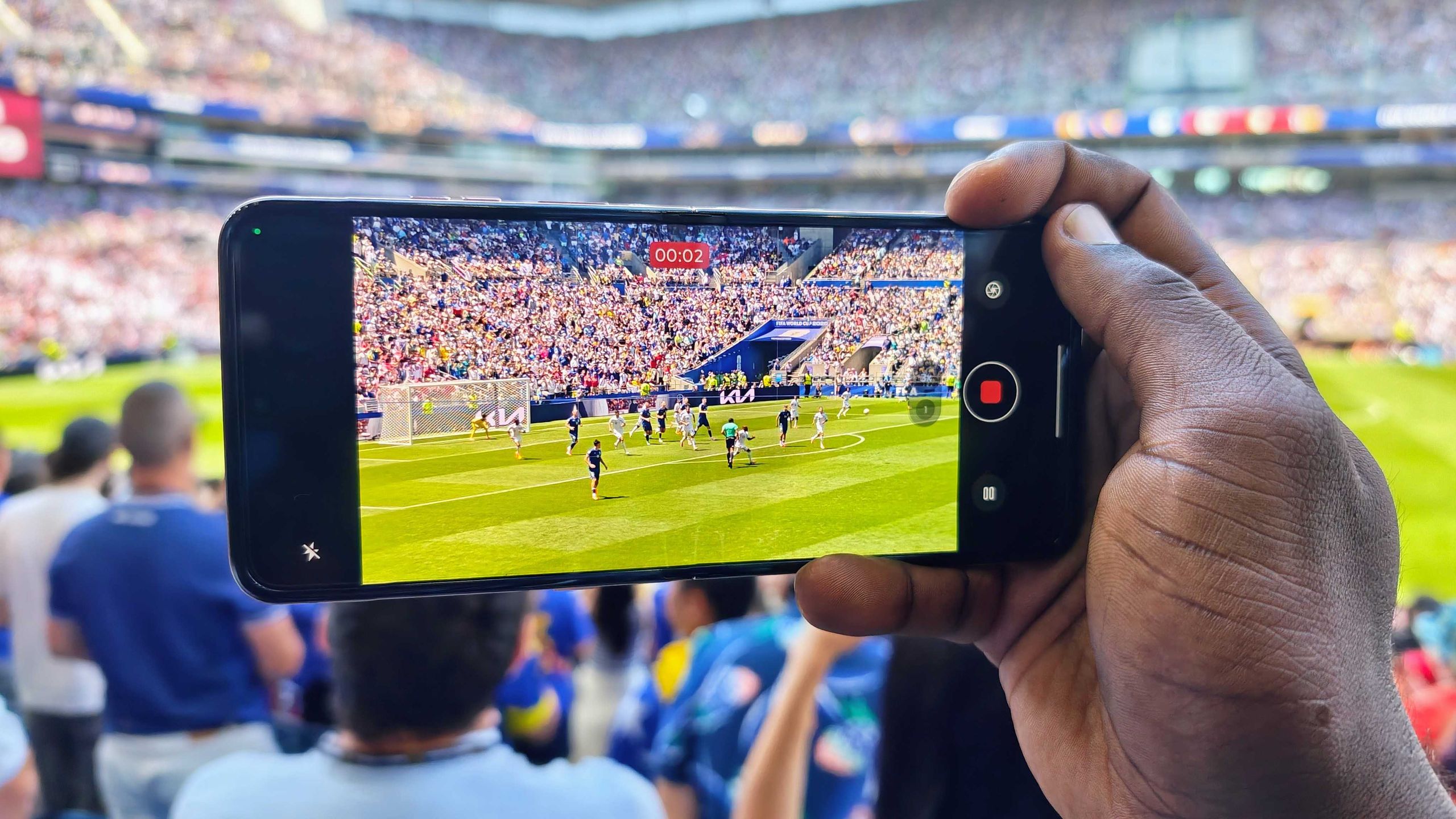
If the Ultra is Motorola polishing a familiar formula, the Razr Fold is the company trying something genuinely new. It’s Motorola’s first book-style foldable, and that alone makes it a meaningful launch. Early impressions are encouraging: performance is strong, the cameras are a legitimate selling point, and it seems like a very capable everyday foldable rather than a flashy experiment.
Still, the first-gen growing pains are obvious. The price lands at $1,900, which puts it squarely in “this better be great” territory. That was the loudest complaint in GSMArena’s poll results, and it’s not hard to see why. Motorola promises seven years of OS and security updates, which is solid, but the company’s track record on timely updates has people looking sideways. Add in the non-Elite Snapdragon 8 Gen 5, and some buyers will wonder whether they’re paying flagship money for a chip that may age less gracefully than they’d like.
Even so, the Razr Fold has one advantage a lot of premium foldables don’t: it’s actually launching widely. North America, Europe and parts of Asia are all getting it, which matters more than it should in the foldable world. Plenty of rivals still treat global availability like an afterthought. Motorola at least showed up everywhere at once.
The first big wish list for the next Razr Fold is already obvious
Android Central’s early look at the Razr Fold 2027 reads like the kind of wishlist you write when a device is already good and you’re thinking about how it could become genuinely great. More colors would be an easy win. Motorola has spent years building a reputation for bold finishes and unusual materials, from vegan leather to wood and Alcantara, so a black-and-white launch palette for such an expensive foldable feels oddly timid.
Motorola’s Razr Fold: pre-orders, specs and why this one matters gets at the broader point here: Motorola finally has a serious book-style foldable, but it’ll need a more confident identity to stand out long term.
The other obvious ask is configuration choice. Right now, the Fold ships in a single, expensive trim with 16GB of RAM and plenty of storage. That’s fine for a flagship showcase, but it narrows the audience. More RAM/storage options could help Motorola hit a lower starting price while also giving power users a pricier high-end model. Samsung has been doing that for years, and Motorola would be smart to borrow the playbook.
Wireless charging is another area where the company could make a cleaner choice. The current Fold supports fast wireless charging, but it depends on specific chargers that most people probably don’t own. Built-in Qi2 magnets would make the experience far more practical. The current setup looks good in spec sheets; magnetic accessories and desk stands would feel better in real life.
Durability also needs a nudge. The Fold’s water resistance is reassuring, but dust protection is still the weak spot, and foldables continue to live with that stigma. A future version with fuller protection would do more for consumer confidence than another tiny speed bump ever could.
Motorola’s 2026 strategy is clearer than its pricing
Taken together, the Razr Ultra and Razr Fold tell a simple story: Motorola believes it has the design chops to compete at the top end, and it mostly does. The company knows how to make a foldable feel desirable. It knows how to do color, texture and packaging better than many of its rivals. It even knows how to make the cameras and battery life competitive.
What it hasn’t quite solved is value.
The Ultra is polished but expensive for a phone that didn’t get the freshest chip. The Fold is promising but launches at a price that demands near-perfection. And while Motorola’s first book-style foldable already looks like a serious alternative to Samsung’s folding phones, it also exposes the same old foldable problem: the tech keeps improving faster than the prices come down.
That doesn’t make Motorola’s 2026 lineup a failure. Far from it. The new Razr phones feel confident, stylish and in some cases genuinely impressive. But they also feel like products from a company still deciding how much risk it wants to take. The hardware can clearly go further. The next move is figuring out whether the price tags can, too.