Huawei’s next big flagship may arrive sooner than expected, and it could look a lot like the company’s recent premium phones while pushing its camera hardware even further.
According to leaks circulating in China, the Mate 90 series is now being aimed at a late-September 2026 launch rather than Huawei’s more familiar late-November window. That would mark a noticeable shift back to a traditional release rhythm, one that suggests Huawei is feeling more confident about the state of its chip supply and manufacturing pipeline.
The timing matters. Huawei has spent the past few years juggling product ambition with the realities of sanctions and chip constraints, so an earlier launch would be more than a calendar change — it would be a signal that the company believes its in-house silicon strategy is in better shape. Recent reporting has pointed to Huawei’s work on new Kirin processors and a broader push to improve efficiency through technologies the company describes as part of its “Logic Folding” approach. In plain English: Huawei is trying to squeeze more performance out of its own hardware without waiting for the usual next step in manufacturing leaps.
That chip story connects directly to the phone itself. The Mate 90 line is expected to lean on Huawei’s own 5G silicon, and the company has reportedly been stabilizing production enough to move the flagship cycle forward. If that holds, the phones could be announced ahead of sales, with shelves getting stocked shortly after — a pattern Huawei used to follow more regularly.
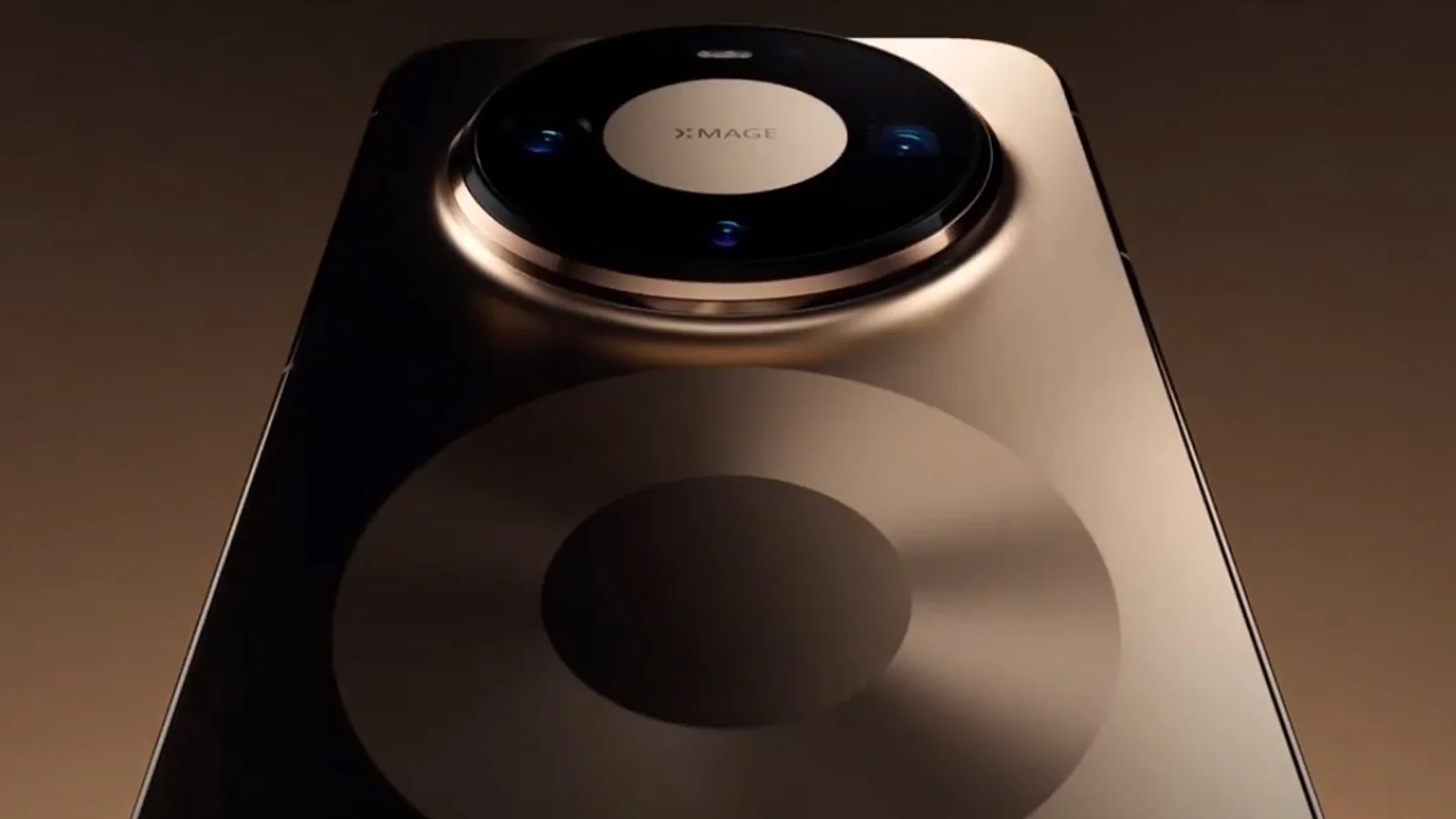
Design-wise, the leaks suggest Huawei is not planning a dramatic visual reset. Instead, the Mate 90 series may borrow the camera ring look seen on the Mate 80 and the broader camera styling of the Mate 70 family. That doesn’t sound flashy at first, but Huawei has spent years turning its circular camera modules into a recognizable brand cue. It’s a safe move, yes, but also a strategic one: keep the identity, refine the internals.
And there’s plenty of room for refinement. Huawei is also said to be preparing new accessories for the Mate 90 lineup, with a strong focus on zoom photography. That tracks with the company’s long-running pitch that its flagships should compete less on raw benchmark bragging rights and more on imaging ambition — a theme that has echoed across recent Huawei handset chatter, including speculation that camera design and launch timing are both settling into a more predictable pattern.
The bigger picture is that Huawei seems to be trying to normalize its flagship business again. A quicker launch cycle, more mature chip production, and a camera system built around serious zoom hardware all point in the same direction: the company wants the Mate 90 to feel like a confident product, not a comeback experiment.
That confidence would also fit with Huawei’s wider hardware strategy. The company has been pressing ahead with its own ecosystem, and this year’s device roadmap appears designed to show that it can still deliver premium phones on a regular cadence. If the Mate 90 does land in late September, it would arrive earlier than many shoppers were expecting — and well before the holiday run-up that has traditionally been Huawei’s comfort zone.
There’s still a lot we don’t know, of course. Final specs, pricing, and the exact camera hardware are all still under wraps, and leaks have a habit of being half-right at best. But the current picture is pretty clear: Huawei is preparing a flagship family that should feel familiar in shape, more ambitious in imaging, and potentially more important for the company’s hardware comeback than any single spec sheet number can show.
For now, the Mate 90 looks less like a radical reinvention and more like Huawei stepping back into a rhythm it once knew well — one where the launch arrives on time, the chip story is under control, and the camera ring still gets to do a lot of the talking.