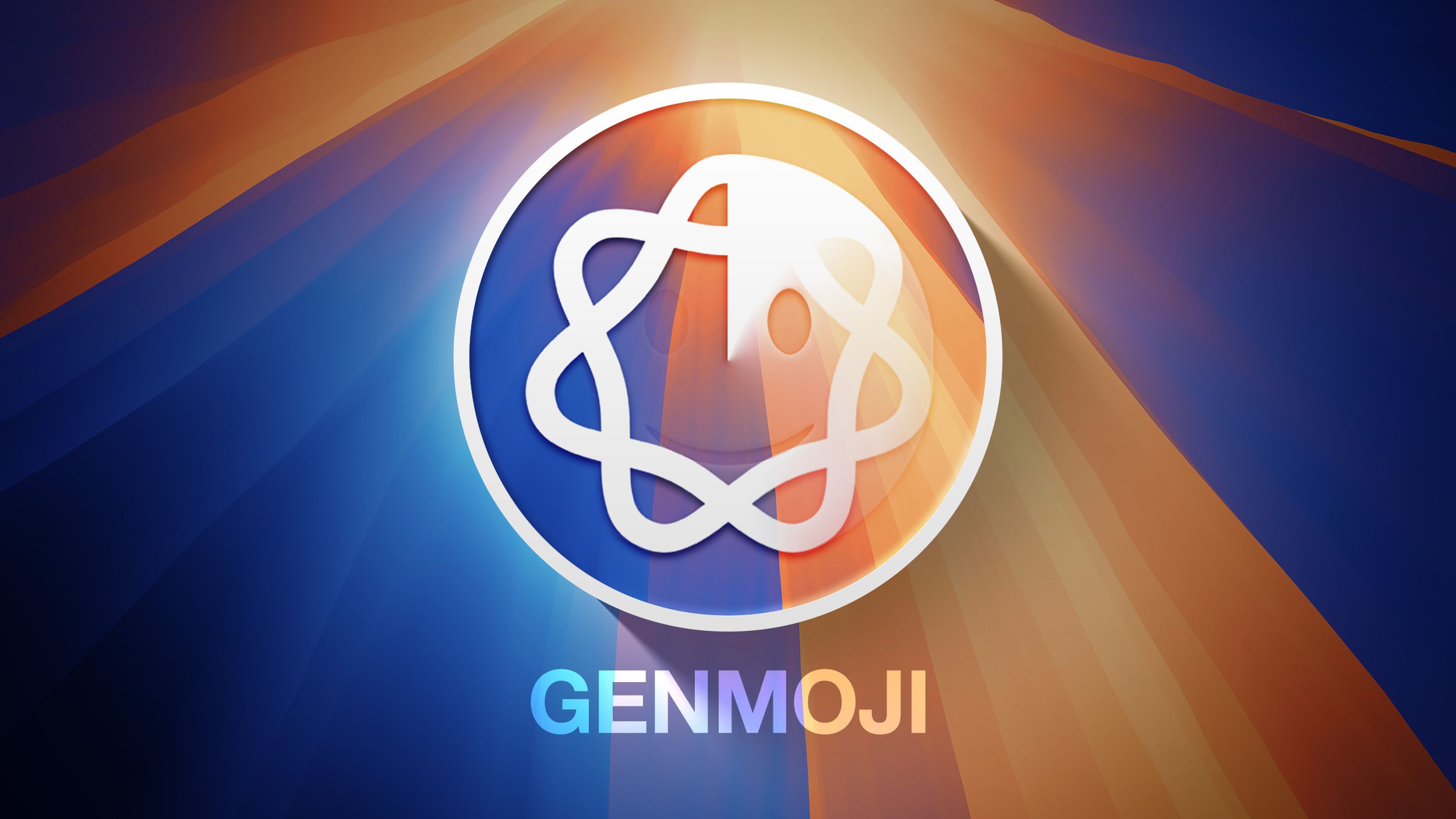
Ask yourself this: have you ever wanted an emoji that doesn’t exist yet? Apple’s Genmoji — the little image-generator tucked into iOS — was supposed to solve that. It mostly delivered amusement, occasional hits, and a few head-scratching misses. Now Apple is preparing to push Genmoji from a novelty you have to open into something that arrives unprompted, right above your keyboard.
The short version
A new optional feature called "Suggested Genmoji" will reportedly surface AI-generated emoji ideas automatically, drawing from your photos and the phrases you type most often. The toggle shown in early iOS 27 code reads: "Suggested Genmoji are created from your photos and your commonly typed phrases." Expect these suggestions to appear alongside predictive text in the top keyboard bar and inside apps like Messages and Notes.
Why Apple is trying this again
Genmoji launched as part of Apple Intelligence but fell short in a few ways: the outputs didn’t always match Apple’s slick marketing examples, and the image models could be demanding enough to heat phones and chew battery life. That discouraged regular use — many people forgot the feature existed.
Apple’s response has two parts. First: model and performance tweaks to avoid the heat-and-drain problem. Second: bake Genmoji into places users already look — the predictive strip — so the tool comes to you instead of waiting for you to discover it.
That proactive approach mirrors other system-wide AI moves Apple is exploring for iOS 27. You’ll see the company preview these upgrades at WWDC in June, with a wider release expected this fall. If you want a deeper look at the broader iOS 27 changes Apple is testing, the leaks around the update include everything from a reworked Camera interface to a smarter Siri experience in iOS 27 developer chatter.
Models, privacy and trade-offs
Under the hood, Apple is improving its Apple Foundation Models. Bloomberg’s reporting suggests some of those improvements come from distilling Google’s Gemini into Apple’s stack — a likely reason why on-device image generation could look better without sending everything to a server. Image Playground (the app that powers Genmoji-style outputs) should see noticeable gains as a result.
But there are trade-offs. The whole point of "Suggested Genmoji" is mining personal context — photos and typing history — to make relevant emoji. Apple says the feature will be optional, and Genmoji generation has so far run locally on-device or within Apple’s private cloud compute. Still, offering suggestions based on your photo library raises privacy questions for many people, even if processing stays local.
For users who treat privacy as sacred, the toggle is an easy off switch. For everyone else, the default could feel intrusive depending on how aggressively suggestions appear.
How it will likely behave
- Suggestions will show up where predictive text does — the little strip above your keyboard.
- They’ll be personalized: birthday chats might surface cake- or confetti-themed Genmoji, while a string of travel photos could seed travel-themed icons.
- Generated Genmoji will be shareable — and reportedly accessible to recipients as "Shared Genmoji," so your creations aren’t trapped on your device.
A clearer picture will emerge at WWDC, but if you’ve followed how Apple has been rolling AI into iOS — from the initial Genmoji arrivals to the refinements in iOS 26 — this feels like the next logical step. Apple’s earlier updates, such as the one that expanded customization and emoji mixing, nudged the feature toward usefulness; iOS 26.4’s additions are part of that same arc.
Open ecosystem, optionality
Apple is also said to be opening Image Playground to third-party models via a system API. That means if you want more expressive or powerful image generation than Apple’s local models offer, you may be able to plug in a different engine — at the obvious cost of handing data off to another provider.
That choice captures Apple’s current balancing act: provide easy, relatively private defaults while letting power users opt into stronger tools that carry more privacy risk.
A feature people will love or ignore
Genmoji’s fate probably hinges on subtle things: how tasteful the suggestions are, how often they pop up, and whether they actually fit the conversation. If Apple gets those parts right — and if the models no longer make your phone warm — Suggested Genmoji could go from overlooked gimmick to a tiny, delightful piece of everyday expression. If not, it will remain a novelty you flip on for laughs.
WWDC is the moment of truth. Expect Apple to show the feature in context — and to give users a clear path to opt out if it feels too chatty.