Apple’s first foldable iPhone is increasingly looking like a two-act launch: a headline-grabbing reveal in September, followed by a slower, staggered roll‑out for customers.
Bloomberg’s Mark Gurman told audiences in a live Q&A that there is “no doubt” the iPhone Fold will ship later than the iPhone 18 Pro models. He didn’t give an exact date — only the kind of cautious, insider-y hedging Apple watchers have heard before. That aligns with other supply-side chatter: Barclays analyst Tim Long has suggested a December ship window, and noted industry watchers have compared the likely timeline to Apple’s past staggered rollouts, most notably the iPhone X’s delayed shipping in 2017. Apple is still expected to unveil the device at its fall event, even if customers don’t get it right away.
Why a delay makes sense (and why it matters)
Foldable displays are not just another component to slap into a phone. They combine ultra-thin glass, complicated hinge mechanisms, special polarizers and layers designed to hide — or at least soften — the crease. Gurman emphasized that the display tech is “some of the most complex” around, and analysts like Ming‑Chi Kuo have warned of supply constraints stretching into 2027. In short: engineering tolerances matter, yields can be low, and Apple doesn’t want to ship something that could crater customer satisfaction or trigger a flood of returns.
If Apple follows the expected path — announce in September with the iPhone 18 Pro family, then ship the Fold later — the company can control the narrative while buying time for quality assurance and ramping production. That approach preserves marketing momentum without forcing an all-or-nothing manufacturing bet.
What the rumors say about the hardware
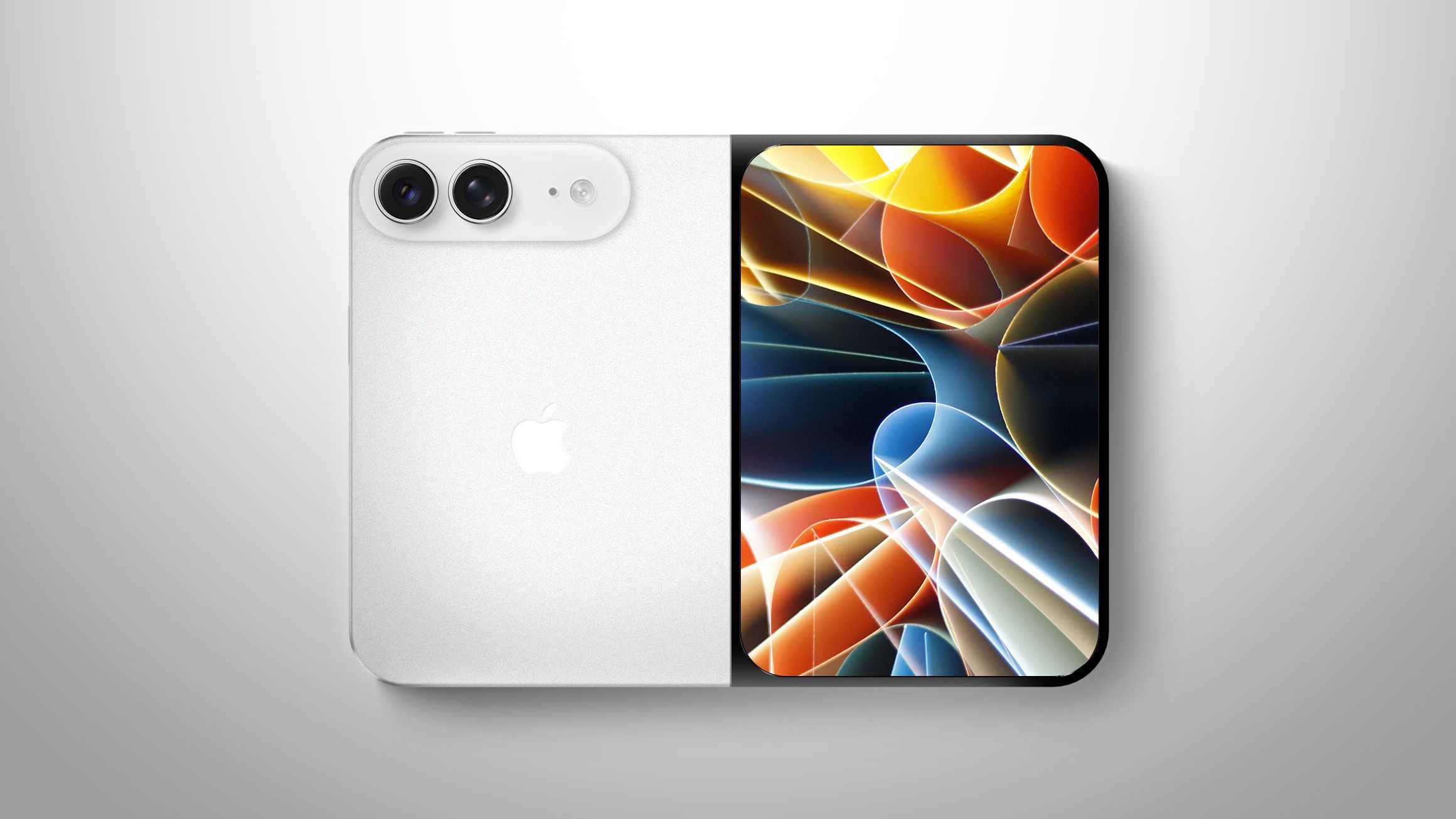
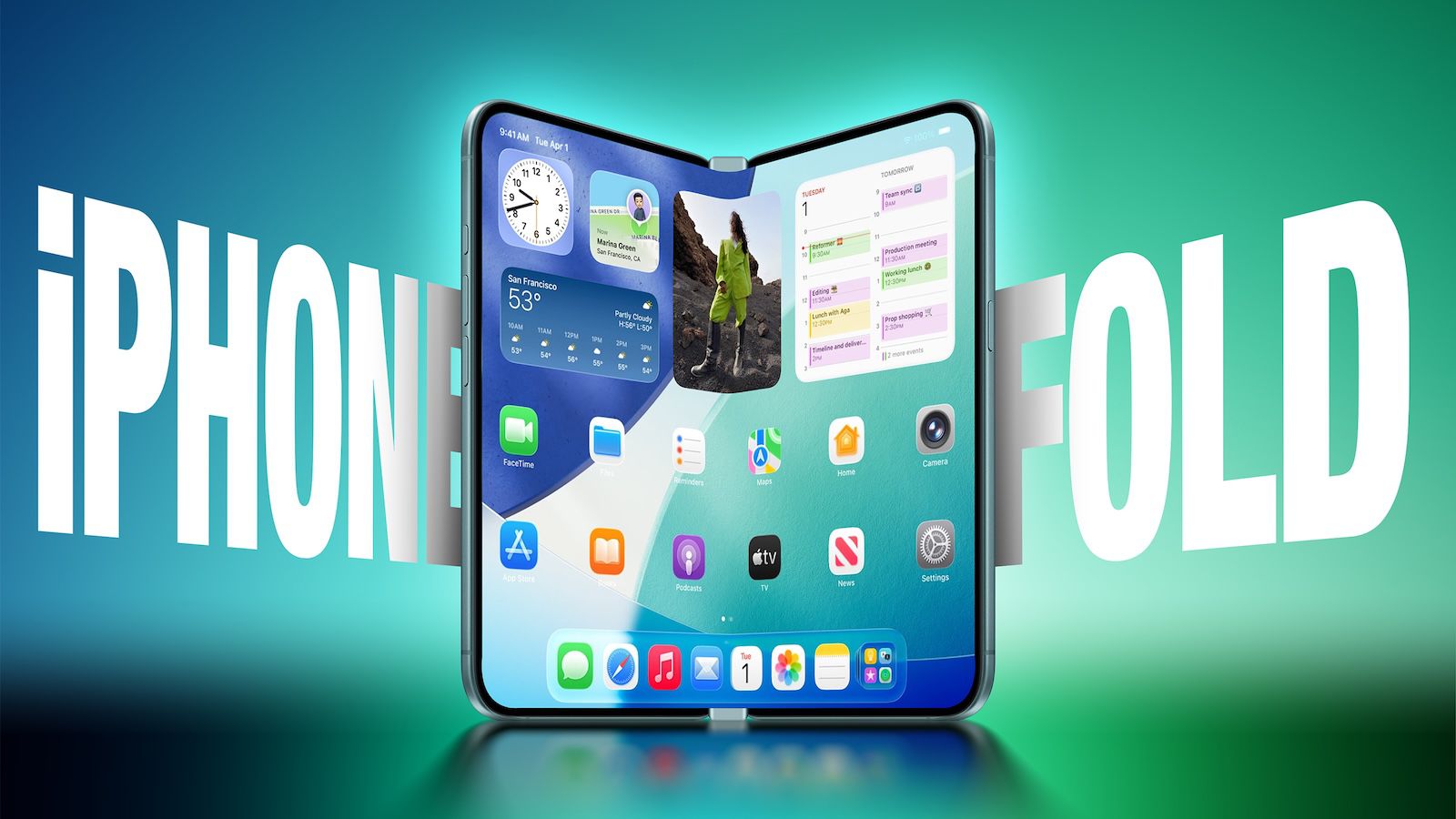
Rumors that have circulated for months point to a book-style foldable rather than a clamshell. Reported specs include a roughly 7.7‑inch inner display and a 5.3‑inch external screen, two rear cameras, a front camera and a Touch ID-integrated power button instead of full Face ID. Early manufacturing reports suggested Apple is reducing the crease rather than eliminating it entirely — a realistic concession given current materials science.
Those hardware choices would shape everything from app behavior to battery life and pricing. Expect software adjustments in iOS to handle multitasking and app continuity; Apple’s OS work this year and next will be crucial for the experience.
The market Apple would enter
Foldables are no longer a niche. Counterpoint Research reported a 28% year-over-year shipment increase in North America in 2025, with Motorola and Google gaining ground against Samsung’s long-standing dominance. Counterpoint’s analysts explicitly called out Apple’s expected 2026 entry as a catalyst that will reshape competition and consumer expectations.
An Apple device would carry premium pricing and — initially at least — limited volumes. That combination typically drives long pre-order queues and selective carrier distribution. If you were hoping to pick one up the week it’s announced, plan for patience.
Timing scenarios to watch
- Short slip (October–November): Likely if Apple’s factories hit acceptable yields and only small tweaks are required. This mirrors many past Apple product rollouts where announcement and shipping were weeks apart rather than simultaneous.
- End-of-year shipping (December): The Barclays scenario. More likely if yield issues or component bottlenecks persist.
- Protracted shortages into 2027: Kuo’s supply constraint warning could mean tight inventories well into next year, especially if Apple prioritizes select markets or carrier partners.
If you want to follow the rumor trail, there’s prior reporting suggesting a delayed ship is plausible: analysts have already floated the December possibility and deeper rumor coverage of the iPhone 18 Pro family explains how Apple might stagger releases to avoid overtaxing production lines. See earlier coverage of the iPhone Fold December ship rumor and the iPhone 18 Pro details for background.
Apple’s timing will affect more than enthusiasts. A delayed or constrained Fold helps incumbents (Samsung, Motorola, Google) keep momentum in retail channels and gives carriers more time to craft promotions. Counterpoint’s market data suggests the category is ripe for growth — Apple’s entry could supercharge demand, but only if supply meets it.
There’s one other variable: software. Apple’s iOS team has been working on multitasking and interface tweaks for larger screens; whether those changes land in time for a smooth Fold experience will influence reviews and consumer sentiment. For some context on Apple’s recent OS updates and how they set the stage for new form factors, see the coverage of iOS 26 features.
This fall will likely offer a clear view of Apple’s intentions: a polished demo on stage, followed by the real test — getting enough units into customers’ hands without drama. If the past is any guide, Apple would rather ship late and right than early and rushed. The gamble for fans is whether patience will pay off, or whether limited supply and high prices will make the Fold a rare badge of early adoption.