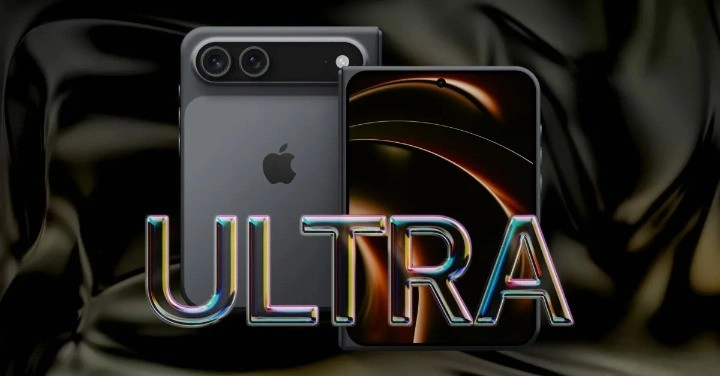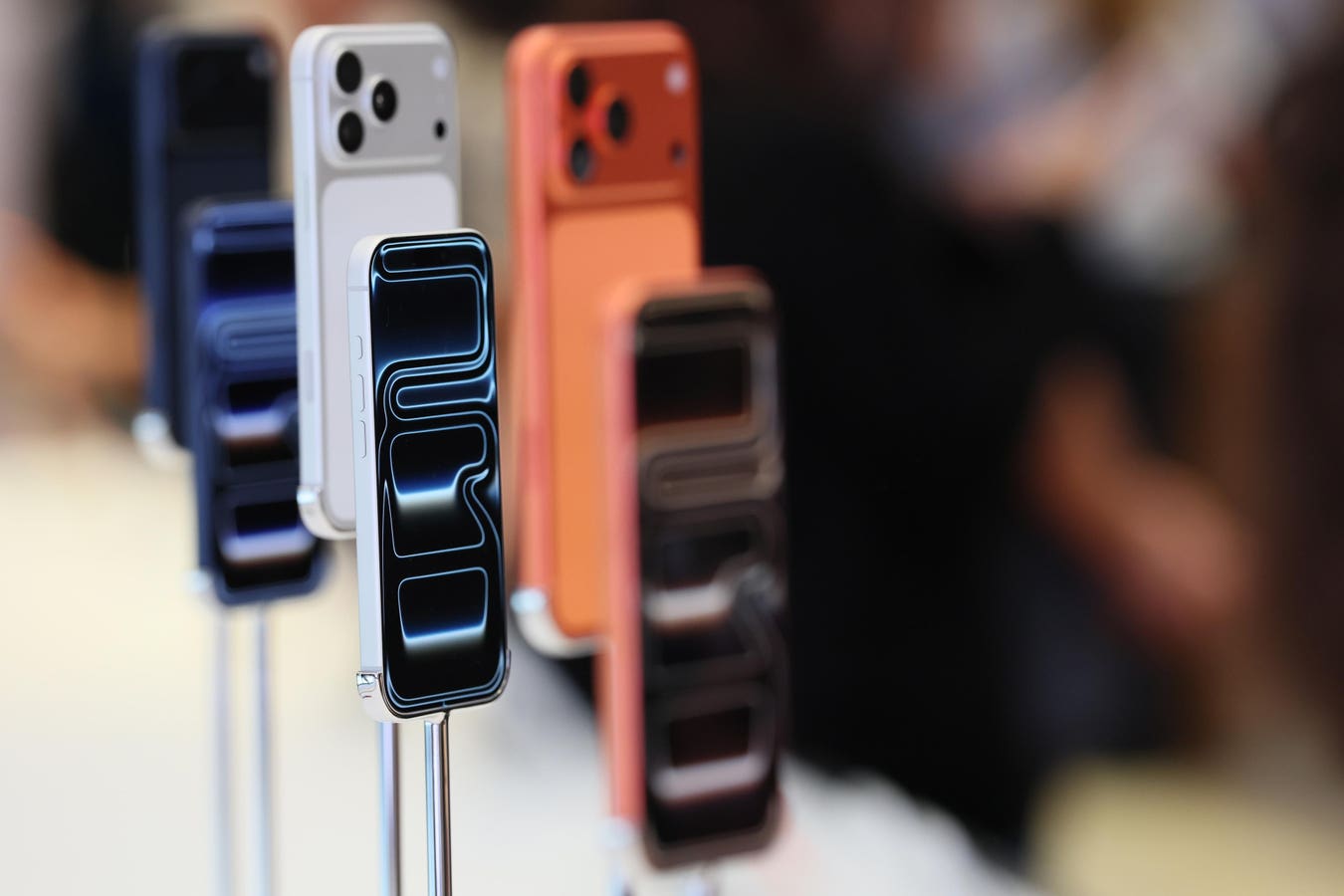
A blurry hands-on video from a Chinese factory, fresh case renders and a supply-chain whisper: Apple’s rumored foldable — commonly being called the iPhone Ultra or iPhone Fold — has suddenly become a story of sharp-looking mockups and softer-than-expected production timelines.
What showed up in the wild
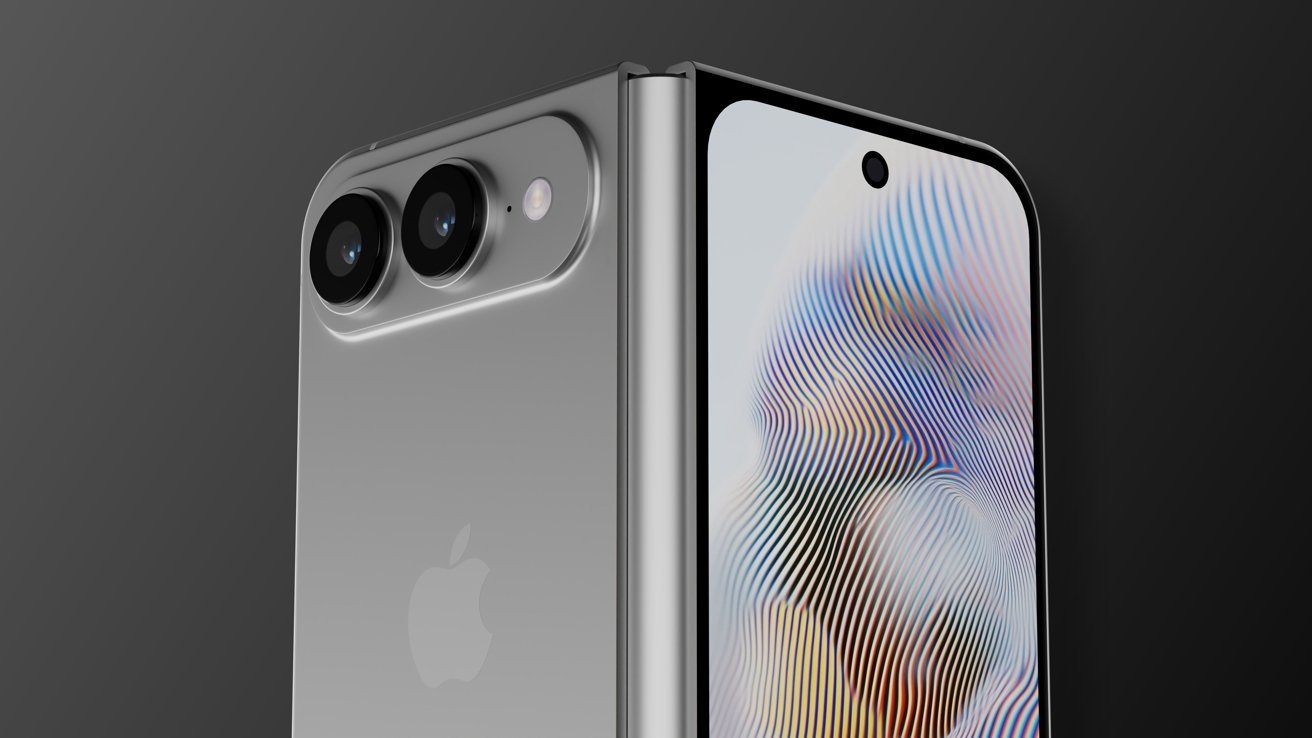
Over the past week several pieces of the same puzzle leaked from different corners. A short video surfaced that appears to show a low-quality design model of the foldable. It’s thin when opened, with the kind of narrow bezels Apple fans expect and hardware cues that keep turning up in other leaks: a dual-camera module reminiscent of the iPhone Air lineup, a power button on the right, and volume controls placed along the top edge.
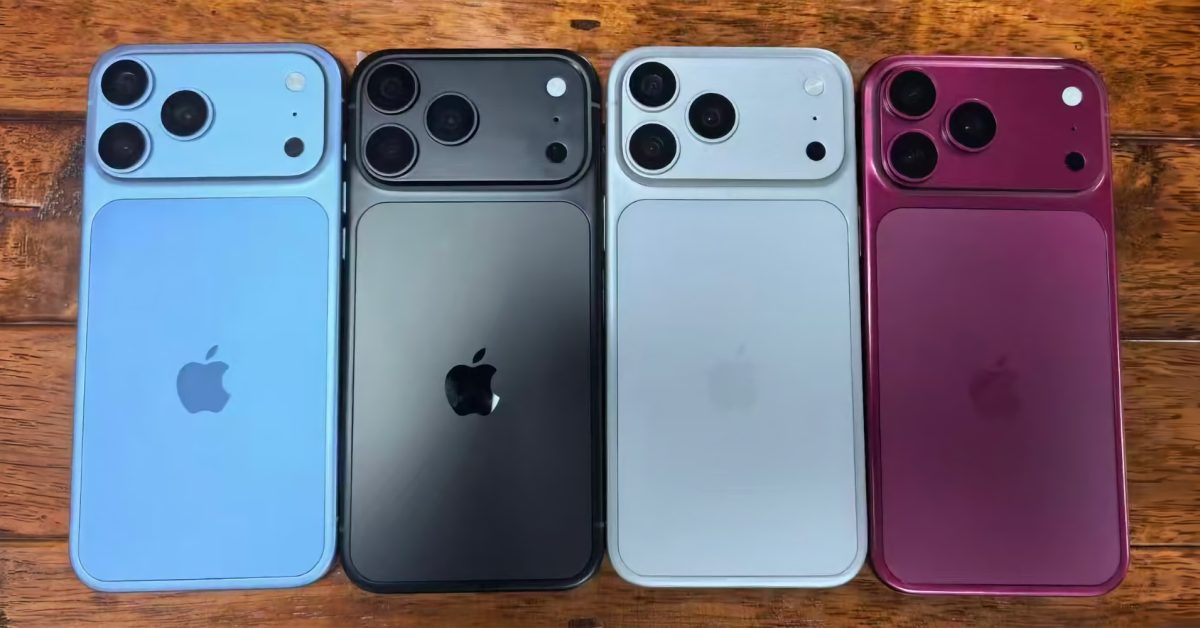
Separately, case-maker renders leaked online that map out the device’s external geometry in more detail — including the camera cutouts and button placements. Those images backed up the unusual top-mounted volume buttons and hinted there may be no built-in MagSafe array, which would force users to rely on cases for magnetic chargers. Packaging photos reportedly obtained from accessory suppliers added yet another angle: some show artwork implying dual screens and MagSafe-style iconography, while others suggest Face ID will remain part of the biometric mix.
It’s worth stressing that mockups and accessory designs are often produced from early schematics or even guesswork. The hands-on unit looked especially crude, so it’s dangerous to treat any single leak as gospel. Still, when independent leaks converge — button placement here, camera bump there — patterns emerge.
Engineering headaches behind the scenes
Leaks aren’t the only story. One persistent rumor — sourced to supply-chain reporting — says mass production is not humming along. The latest claim points to a circuit-board assembly problem tied to SMT (surface mount technology). That’s the industrial process that places and solders tiny components onto printed circuit boards. According to the report, SMT issues are throttling output and making the move to full-scale production "not optimistic." Earlier claims also flagged hinge durability as a concern, though a few sources countered that Apple’s hinge design might actually be ahead of rivals.
If true, these factory-level snags could explain why observers expect an announcement window in September but suspect shipments may lag. Analysts have floated a staggered launch where Apple shows the foldable alongside the iPhone 18 Pro family but only ships units later — a scenario explored in previous coverage about potential delays for the iPhone Fold (/news/iphone-fold-shipping-likely-later-than-iphone-18-pro).
Specs, price and design rumors — a messy but tempting mix
Leaked spec lists keep getting bolder. Common talking points include a roughly 5.5-inch external cover display and a 7.8-inch inner OLED that opens into a wider aspect ratio. Thickness figures vary in the leaks, but several sources claim an impressively thin profile when unfolded — estimates around 4.5–4.7mm — and thicker when folded.
Under the hood the chatter centers on Apple’s next-generation A20 Pro system-on-chip, reportedly built on TSMC’s 2nm-class node, paired with as much as 12GB of RAM. Camera speculation points to a 48MP primary shooter in a two-lens rear setup. Battery rumors suggest a capacity in the neighborhood of 5,500mAh, while pricing whispers put a starting figure north of $2,000.
There’s also disagreement about biometrics. Some leaks say Touch ID will return, side-mounted this time; others suggest a fingerprint sensor integrated into the power button. Those differences matter: they influence how Apple balances convenience, industrial design and Face ID’s status.
If you want context on the broader design hints and how Apple might position this product relative to the rest of its lineup, earlier rumor-roundups about the iPhone Ultra’s ambitions are useful reading (/news/iphone-ultra-foldable-2026). And the A20 chip chatter ties into larger iPhone 18 Pro rumors about performance leaps and camera changes (/news/iphone-18-pro-rumors-a20-aperture-fold).
Why this matters — beyond gadget lust
A successful Apple foldable would do more than fetch headlines. It would validate the mainstreaming of foldables beyond niche Android experiments, potentially forcing other manufacturers to rethink screen engineering and hinge longevity. But if Apple ships a product with unresolved production challenges, that could create a different kind of ripple: constrained supply, high prices and frustrated early adopters.
Right now the picture is simultaneously clearer and fuzzier than it was a month ago. The leaked dummies and case renders sketch a plausible industrial design; packaging photos and spec lists tell the story Apple has in mind; supply-chain notes remind us that even the best designs have to survive the gauntlet of manufacturing.
Expect more leaks. Expect contradictions. And expect Apple to play the timing game carefully — announcing when it serves the company’s narrative, and shipping only when factories prove they can keep up. That dance between ambition and assembly will determine whether the iPhone Ultra becomes a defining product or a tantalizing what-if.