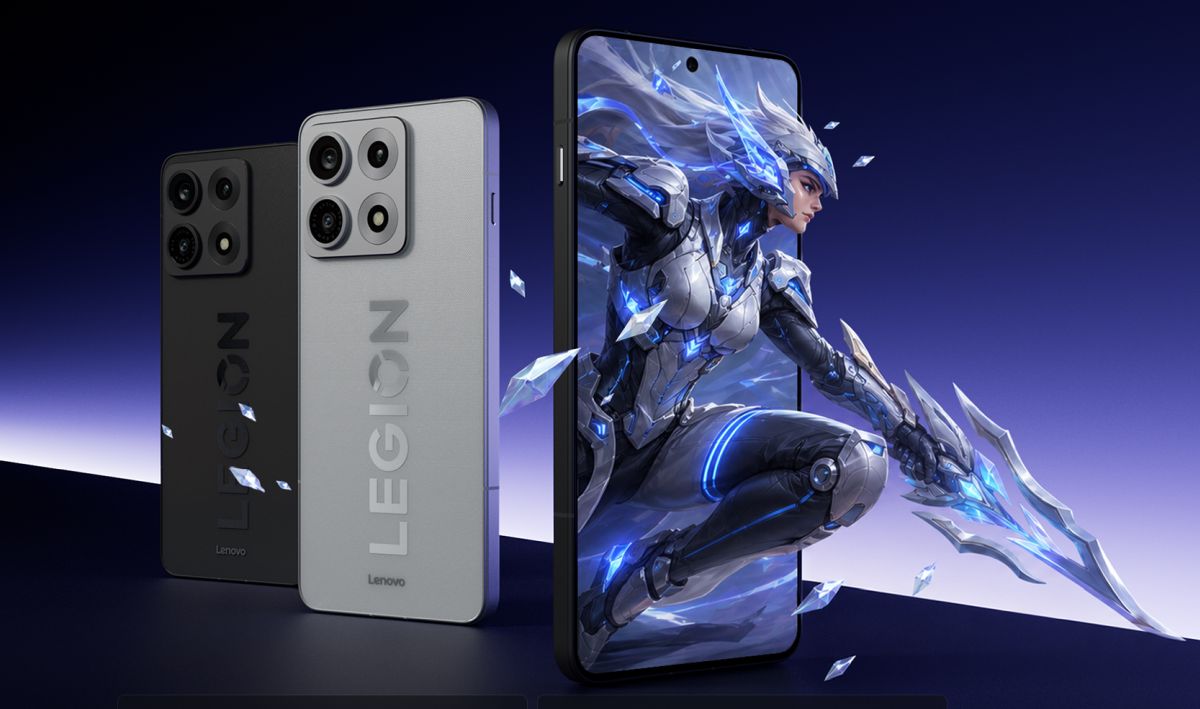
Lenovo has quietly expanded its Legion lineup with two very different ambitions: a phone that prioritizes marathon play and cooling, and a pair of tablets that push size, resolution and battery life farther than you’d expect for Android gaming hardware.
The surprising part? Neither announcement screams “gamer bling.” Instead the company appears focused on substance — big batteries, high-refresh, and thermals — while keeping RGB and gimmicks to a minimum on the handset.
The Legion Y70: stamina and sensible performance
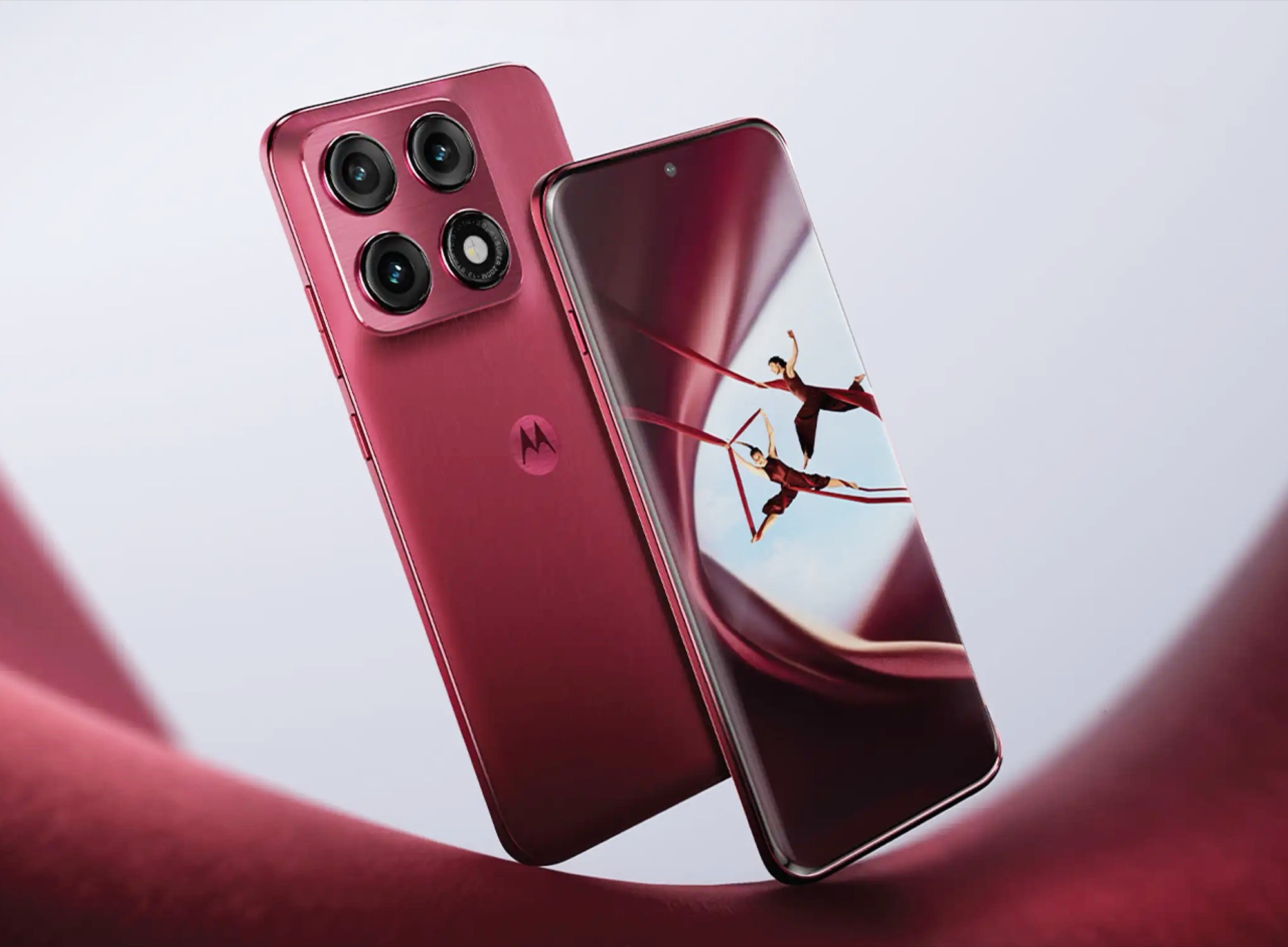
At first glance the Legion Y70 doesn’t shout “gaming phone.” No shoulder triggers, no light-up logos, no dual USB-C ports. But under the hood it’s built around endurance and steady performance:- 6.8-inch LTPO OLED display, 144 Hz refresh
- Qualcomm Snapdragon 8 Gen 5 (non‑Elite)
- Up to 16 GB LPDDR5X-9600 RAM and up to 1 TB UFS 4.1 storage
- Massive 8,000 mAh battery with 90W fast charging (and bypass charging support)
- 5,500 mm² vapor chamber cooling (Lenovo says it can drop CPU temps several degrees)
- Camera array: 50 MP main with OIS, 8 MP ultrawide, 32 MP selfie
- IP69 water/dust resistance, dual-SIM 5G, 500 Hz gyroscope polling for motion control
- 11.1-inch model: MediaTek Dimensity 9500S chipset, 11,000 mAh battery
- 13-inch model: Snapdragon 8 Gen 5, 12,700 mAh battery
Lenovo’s pitch is simple: longer sessions without throttling. The vapor chamber and the huge battery are the two headline features — the former to keep sustained frame-rates steady, the latter to keep you playing two days in a row if you’re a casual user or through several long sessions if you’re not.
There are trade-offs. At 224 g and 8 mm thick the Y70 is no featherweight, and you won’t find a headphone jack or microSD slot. That said, GSMArena and others note the phone’s display peaks extremely bright (Lenovo claims very high nit peaks) and the gyroscope responsiveness is tuned for more precise motion aiming — small touches that matter in mobile shooters.
Pricing starts aggressively in China (around CNY 3,099, roughly $450) for 12/256 GB, with higher-tier 16 GB/512 GB or 1 TB options reaching the ~$600 range.
The Legion Y900 tablets: big screens, bigger batteries
Lenovo didn’t stop at phones. The Legion Y900 family stretches the Legion idea into tablets, with two sizes aimed at gamers who want a larger canvas than phones offer:Both tablets boast very high-resolution panels (4K-ish 3840 x 2560 reported by some outlets) at 144 Hz, UFS 4.1 storage, LPDDR5X RAM up to 16 GB, and detachable keyboard options with RGB backlighting to lean into desktop-like workflows. The larger 13-inch model ups audio with six speakers tuned by Harman Kardon and supports the second‑gen Lenovo Pen Pro with 8,192 pressure levels.
Fast charging on the tablets is respectable (68W), and Lenovo has priced both models competitively in China — conversions land around $310 for the smaller unit and roughly $560 for the larger one depending on configuration. For now, these are China launches with no broader global availability announced.
If you’ve been following Lenovo’s tablet play, the Y900s feel like a logical outgrowth of the company’s recent push in the space; they sit alongside the compact Legion Tab Gen 5 and its U.S. debut last year, showing Lenovo is experimenting across sizes and price points in the Legion family. You can read more about the brand’s tablet efforts and how they landed in the U.S. in our story about the Legion Tab Gen 5 launch. The new larger Y900s lean into the opposite design choice — very large screens and battery packs instead of pocketability.
Why this matters — and who it’s for
Lenovo’s strategy here is pragmatic. Rather than piling on hardware showpieces, it’s betting that buyers care more about consistent performance and long runtime. For players who stream or remap keyboards and want to use a tablet as a console substitute, the Y900s are tempting. For mobile gamers who hate the “battery anxiety” of long sessions, the Y70 is a rare handset-sized battery powerhouse.
That said, anyone outside China should be cautious: Lenovo’s recent handset releases have been region-limited, and the company has a habit of taking its time (or never) when expanding global availability. If you live outside China and your interest is piqued, keep an eye on Lenovo’s channels or new regional announcements.
If you’re weighing options: the Y70 is worth a look if you prioritize endurance and cooler sustained performance in a relatively clean, non-gimmicky package. The Y900 tablets are intriguing if you want an Android device that doubles as a gaming surface and a portable media machine — and you don’t mind buying region-locked hardware.
Lenovo’s Legion line is quietly getting broader: more sizes, more battery, and a clearer idea of what “gaming” can mean beyond flashy lights.