Motorola’s long-rumored GrapheneOS phones are finally getting a rough timeline, and the news comes with a familiar premium sting: they’re expected to arrive in 2027, and GrapheneOS says they’ll cost more than today’s Pixels.
That’s a notable shift for a project that, until now, has lived almost entirely inside Google’s hardware bubble. GrapheneOS has built its reputation on hard-line privacy and security controls, from tighter app sandboxing to more granular network permissions and a duress code that can wipe the device if someone forces access. The catch has always been hardware. Only Pixels have met the project’s requirements so far.
Why Motorola matters here
Motorola first said earlier this year that it was working with GrapheneOS, but the announcement stopped well short of naming devices or dates. Now the project is saying the first Motorola-supported phones should show up in 2027. They won’t ship with GrapheneOS preinstalled, but Motorola will support them closely enough for the OS to run properly at launch.
The big surprise isn’t the year. It’s the price.
GrapheneOS says the initial Motorola devices will be “higher end” than Pixels, and it sounds as if that’s not marketing fluff. The project points to Qualcomm’s top-end Snapdragon chips as the main reason lower-priced models aren’t ready yet. In other words, this is a flagship-only play for now. That lines up with Motorola’s recent foldable strategy, where the company has increasingly leaned into premium hardware rather than the budget-first image it built years ago.
For privacy-minded buyers, that means Motorola is likely entering the GrapheneOS conversation with expensive hardware, not a stripped-down experiment. And if current Pixel pricing is any guide, “expensive” could mean very expensive. Google’s latest flagship Pixels already start around the $900 mark, with top models climbing well past $1,000.
The hardware problem GrapheneOS keeps running into
This is where the story gets technical, but the short version is simple: GrapheneOS doesn’t just want Android-compatible hardware. It wants hardware that can support a very specific security model, plus long enough update commitments to make the whole thing worthwhile.
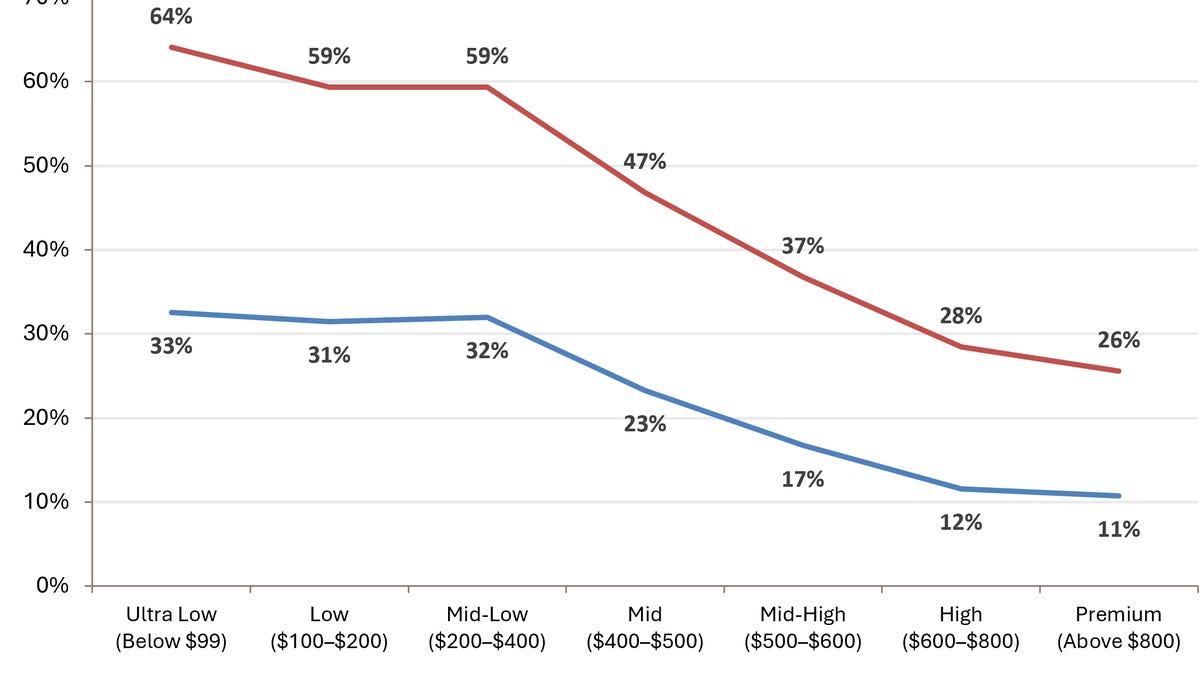
That’s why cheaper Moto G phones are basically off the table for now. Qualcomm’s midrange chips don’t offer the same security features unless manufacturers pay for more support, and Motorola hasn’t shown much appetite for doing that across a wide range of devices. On top of that, the company’s budget phones typically get only a couple of years of software updates, which is nowhere near enough for a security-focused OS built to last.
If that sounds a lot like the trade-offs involved in Google’s tougher sideloading rules or Apple’s increasingly layered security updates, that’s because the smartphone market keeps moving in the same direction: more protection, but usually on pricier hardware.
GrapheneOS’s current Pixel-only setup exists for a reason. Google’s Tensor chips and update policies have made Pixels the one mainstream family that fits the project’s security demands. Motorola is now trying to join that club, but it appears the price of entry is a flagship, and maybe a foldable one at that.
Foldables may be the likely first wave
Motorola skipped new non-folding Edge models in 2026, which has led to speculation that the 2027 GrapheneOS devices could be foldables. That would make sense. Motorola has been pushing harder in the foldable space, and flagship foldables naturally sit in the price range GrapheneOS is now hinting at.
It would also explain why the project keeps saying “devices,” plural. This may not be a one-off halo phone. It could be the beginning of a small but meaningful Motorola line for privacy-focused Android users who want something beyond a Pixel.
There’s still a practical hurdle, though. GrapheneOS installation is not exactly for casual tinkerers. The project has made the process easier with a web-based USB installer for Pixels, and it’s likely to offer similar tools for Motorola when the time comes. Still, this is not the kind of phone you buy because a carrier pushed it in your face. This is a phone for people who know why they want it.
For some users, that will be the appeal. For others, the sticker shock may be enough to keep them on current privacy-heavy Android options or simply stick with a Pixel and call it a day.
Even so, the move matters. GrapheneOS expanding beyond Google is a sign that privacy-focused Android is inching out of the niche it has occupied for years. The catch is that the first step looks a lot like every other smartphone launch in 2026: better specs, stronger security, and a price that makes you wince a little.