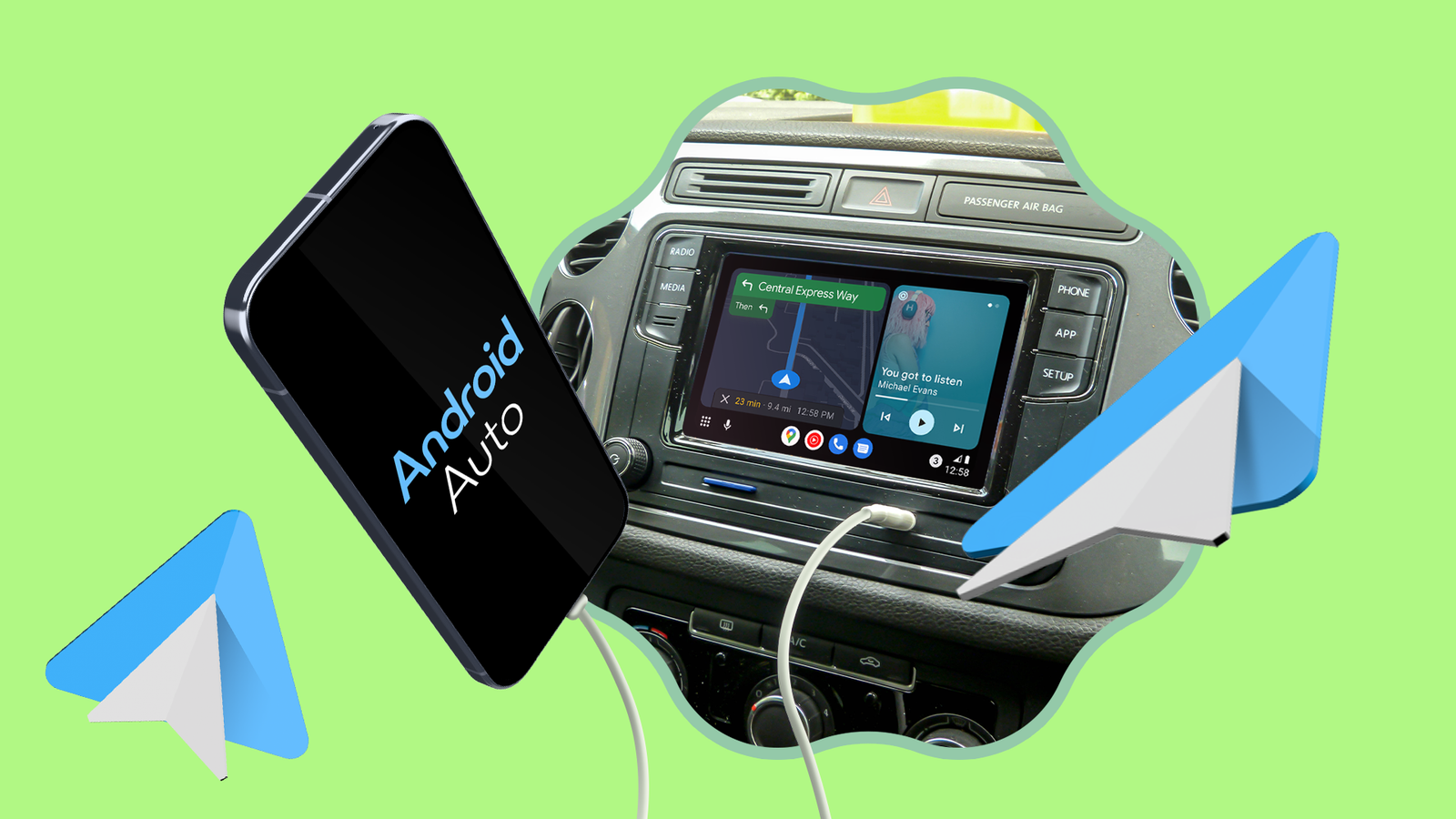
Android Auto has spent much of this year behaving like a stubborn passenger: it works just often enough to keep you hopeful, then refuses to cooperate at exactly the wrong moment. Now Google is pushing another fix through Play Services, and if you’ve been wrestling with dropped connections on Samsung, Pixel, or just about any other Android phone, this one is worth paying attention to.
The update landed on June 8 and, in Google’s own terse wording, brings "bug fixes for Device Connections related services." That’s not exactly a technical roadmap, but the timing makes the intent pretty clear. Since March, Android Auto users have been reporting failures on both wired and wireless setups, with problems showing up after the launch of Samsung’s Galaxy S26 lineup and then spreading to other phones, including Pixels. Some people found that a phone that had worked perfectly for months suddenly stopped connecting after a security update. Others could get in only after repeated cable swaps, reboots, or what felt like ritual sacrifice.
Google has not publicly explained the root cause, and neither has Samsung. That has left owners piecing together theories. One possibility that floated around early on was that newer security protections, including Samsung’s Advanced Protection features, were interfering with the handshake between phone and car. Maybe that’s part of it, maybe it isn’t. What is clear is that the problem hasn’t been limited to one brand or one vehicle. It has hit wired connections, wireless connections, new phones, older phones, and more than a few drivers who thought they had already solved the issue for good.
That’s what makes this patch more interesting than the average background update. If it only helps a portion of affected users, that still matters. For a system like Android Auto, even shaving off a chunk of connection failures can turn a daily nuisance into a tolerable annoyance. If it works broadly, it could finally ease the kind of frustration that has followed some users since spring.
It also fits a pattern Android Auto owners know all too well. Updates often arrive as fixes, but security patches can just as easily introduce fresh compatibility problems. One day your phone and car are friends; the next day they’re acting like they’ve never met. That’s part of the reason stories like Android Auto’s wobble keep surfacing: the platform is useful enough that people keep using it, but fragile enough that a bad update can derail an entire commute.
Mark Jansen at Android Police noted that these connection failures have lingered long enough to become a genuine headache, especially for drivers who rely on Android Auto every day. Tom’s Guide reported a similar experience from the road, with one Samsung Galaxy S26 Ultra and a Honda CR-V only recently starting to behave again after a Google Play Services update. That kind of real-world relief is promising, even if it’s still too early to call the problem solved.
For now, the sensible move is simple: keep Play Services up to date and see whether the latest fix improves things on your setup. Android Auto’s core appeal hasn’t changed — it makes the car feel less like a dead-end screen and more like an extension of your phone — but reliability is the whole game. If Google really is closing in on the bug, plenty of drivers will notice immediately the next time they plug in, tap the dash, and actually get where they wanted to go without an argument.
The broader Android ecosystem has had a busy few months of hiccups and patch-chasing, from Galaxy S26 and Pixel Android Auto bugs to Google’s steady stream of system-level maintenance in the April 2026 Google System Update. This latest round may not be glamorous, but for anyone stuck staring at a blank car display, it’s the kind of update that feels a lot bigger than its release note.