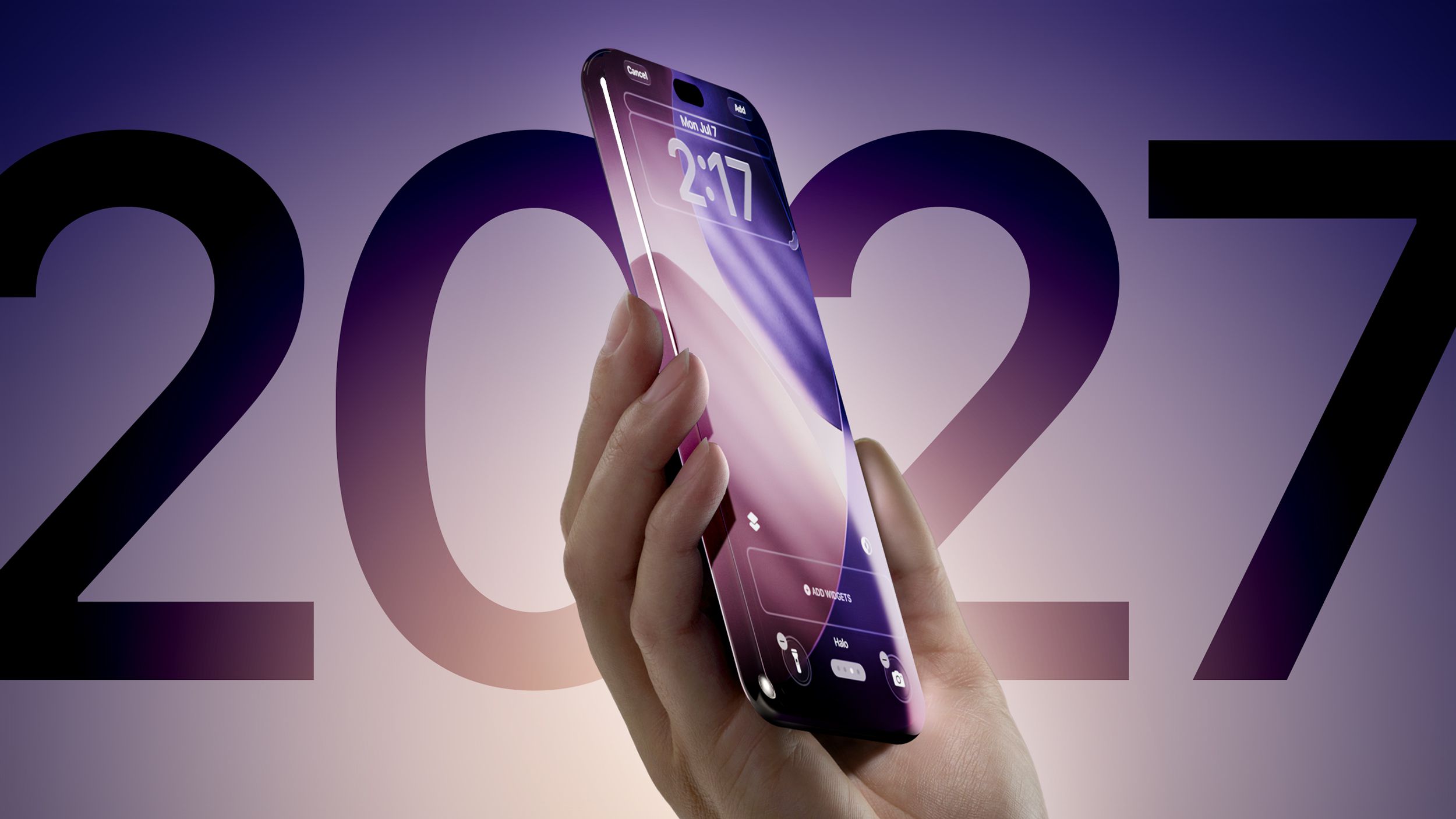
Apple’s first foldable iPhone is shaping up to be less of a one-off stunt and more of a pricing pressure valve.
That, at least, is the story emerging from a growing pile of leaks, software clues and analyst chatter around iOS 27, the iPhone 18 Pro line and the long-rumored device many now call the iPhone Ultra. The broader picture is pretty simple: Apple appears to be using a very expensive new foldable to soak up the cost of next-generation hardware, while leaving the regular flagship iPhones in a much more familiar price zone.
The timing matters. Apple’s premium phone business has reached a point where annual upgrades are harder to justify, replacement cycles are stretching out, and the company can’t keep leaning on straightforward price hikes across the whole lineup. So instead of nudging every model upward, Apple seems to be splitting the strategy in two. The foldable gets the flashy engineering and the eye-watering price. The iPhone 18 Pro stays closer to last year’s formula.
That idea shows up in several places. iPhone 18 Pro rumors already point to a steady-hand approach, with Apple expected to keep the base Pro configuration at 256GB and avoid making the entry model feel pricier just for the sake of it. The more dramatic changes are being reserved for the foldable, where Apple can charge a premium without upsetting the regular upgrade path for millions of customers.
The foldable becomes the luxury halo
The rumored pricing is not subtle. Multiple reports now put Apple’s first foldable somewhere around $2,000 to $2,400, depending on the source and configuration. Forbes floated a $1,999 starting point as a possible psychological ceiling; other reports push the number higher. Either way, this is not a device Apple will sell by the truckload.
And that may be the point.
Apple has spent years building a portfolio that lets it keep the mass market stable while finding new ways to extract more value from the top end. A foldable iPhone gives it a clean, high-margin flagship that can carry the cost of flexible displays, new hinge hardware, thinner components and whatever other engineering headaches come with building a book-style foldable that doesn’t look or feel like a compromise.
That seems to be where the “Ultra” branding comes in. It would let Apple create a new tier above Pro without having to permanently reprice the entire iPhone family. In other words: if you want the very newest form factor, you pay a lot. If you just want the best normal iPhone, Apple would rather keep you where you are.
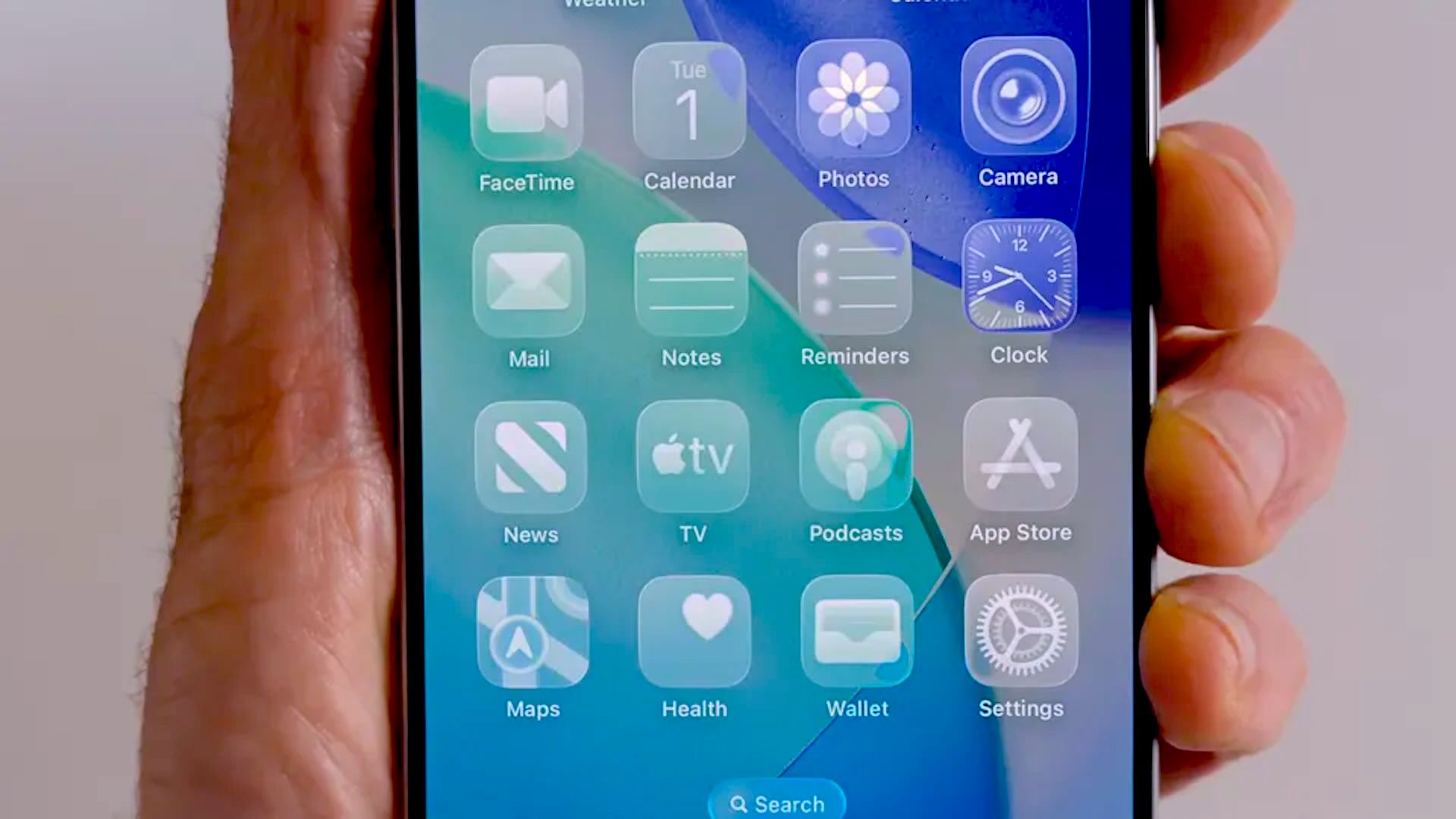
The software is quietly backing that up too. iOS 27 is adding more landscape-friendly layouts across Apple’s built-in apps, from Music and Podcasts to Fitness, Health, Reminders, Home, Shortcuts and more. MacRumors reported that the changes look a lot like preparation for a foldable iPhone, and that’s a fair read: the more Apple’s apps behave naturally when the phone is sideways or unfolded, the less awkward the first-generation hardware will feel.
iOS 27 is leaving breadcrumbs everywhere
Apple hasn’t announced a foldable iPhone yet, but the code is practically waving a flag.
Developers digging through the iOS 27 beta found references to folded and unfolded states, along with variables like “mechanicalAngleDegrees” and “angleDegrees.” Those aren’t the sort of strings you sprinkle into software for no reason. They suggest Apple is tuning the experience around a hinge angle, not just a larger screen.
Other clues are lining up too: references to unusual display behavior, app layouts that make better use of split-screen space, and hints that Apple is preparing the software stack for a phone that behaves differently depending on how it’s opened. That fits with the broader rumor profile, which points to a wide, book-style design rather than a clamshell.
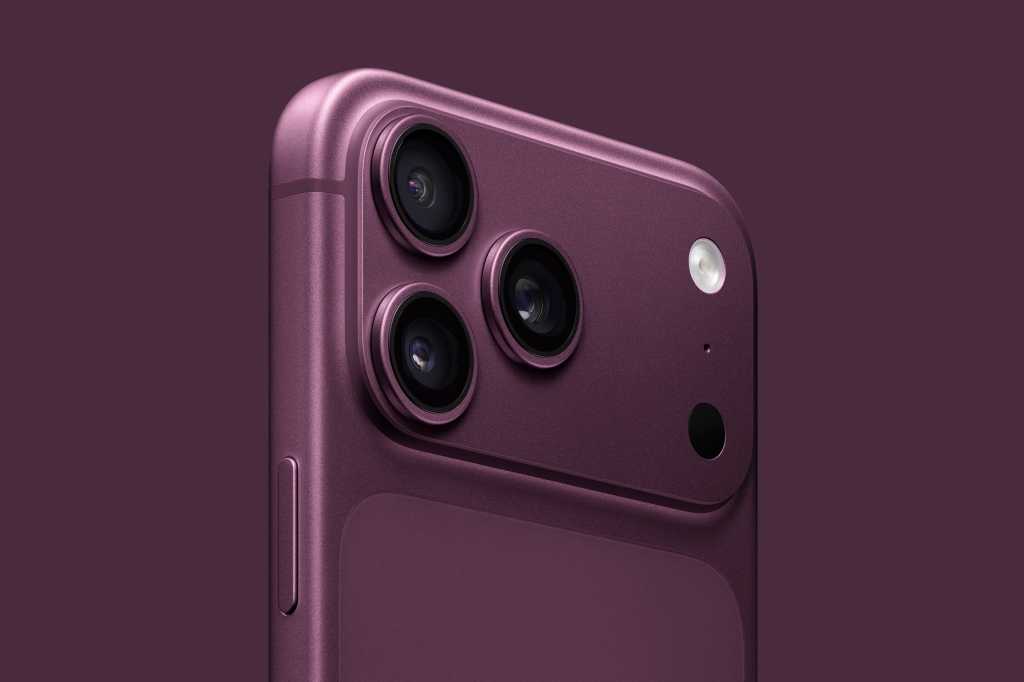
The alleged specs have been fairly consistent across reports. A 7.8-inch inner display, a 5.5-inch outer screen, a titanium or similarly premium build, dual rear cameras, and Touch ID instead of Face ID all keep showing up. Thickness estimates vary, but the general theme is the same: Apple wants the foldable to feel unusually refined for the category, not just technically impressive.
There’s also a practical reason Apple may be pushing landscape support so aggressively. Foldables live or die by usability, and apps that already adapt cleanly to wider screens will make the device feel less experimental. That’s especially true if Apple plans to ship the phone alongside iPhone 18 Pro models in the fall, as several reports suggest.
The Pro models don’t need to absorb the whole bill
This is where Apple’s strategy gets interesting. The company could have simply raised prices across the iPhone 18 line and called it a day. Plenty of Android rivals are doing exactly that.
Samsung, for example, has already been removing lower storage tiers from some flagship models to defend margins, while other manufacturers are quietly passing memory and chipset costs on to buyers. The result is a steady squeeze at the high end, with everyone trying to hide the increase behind more storage or slightly better specs.
Apple seems to be taking the opposite route. Keep the iPhone 18 Pro and Pro Max relatively stable. Put the real price pressure into the foldable. That way, the core Pro lineup still feels like a normal annual upgrade, while the Ultra model becomes the place where Apple absorbs expensive new technology.
It’s a clever hedge. Carriers and enterprise buyers like predictability, and Apple knows it. So even if the foldable grabs the headlines, the company can protect the business that still moves most of its units.
There’s another layer here too: services.
Apple One is already a key part of the ecosystem, and the company has every incentive to bundle newer AI capabilities into subscription tiers over time. If Siri AI and other Apple Intelligence features become more central in iOS 27, Apple can increase recurring revenue without raising the sticker price of the iPhone 18 Pro itself. That’s a very Apple move: let the hardware headline stay familiar, then make the monthly bill do the heavy lifting.
The first foldable won’t just be a phone
If the leaked pricing and the software clues are right, Apple’s foldable is being treated like a new category boundary, not just another device in the lineup.
That’s why the naming matters more than it seems. “iPhone Fold” sounds like a prototype. “iPhone Ultra” sounds like a deliberate status object. And the company’s internal behavior so far — from app layout changes to beta code references — suggests Apple is preparing users for something more polished than the usual first-gen experiment.
Of course, there are still plenty of loose ends. Release timing could slip, especially with ongoing component shortages and the usual late-stage manufacturing drama that comes with any new Apple form factor. The foldable could arrive with a slightly different name, or later than the iPhone 18 Pro models. But the direction is clear enough.
Apple wants the foldable to be the loud, expensive thing at the top of the lineup, while the iPhone 18 Pro remains the dependable one.
That may be the smartest way to launch a $2,000-plus phone without making the rest of the product stack feel like it’s being quietly punished for the privilege.