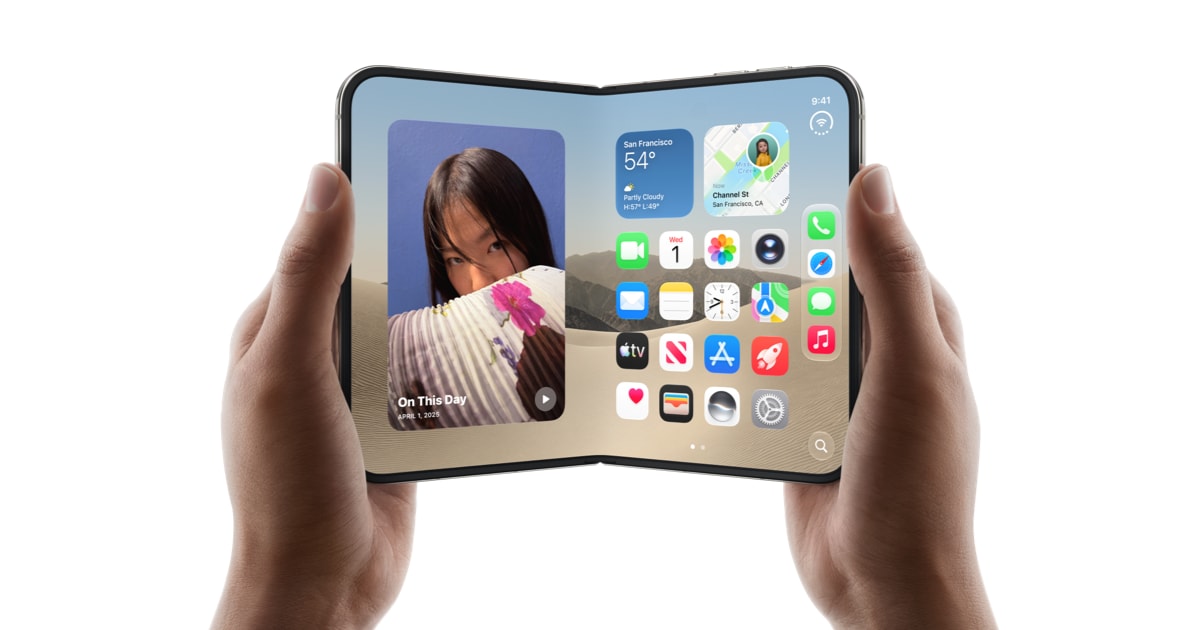
Apple didn’t just enter the foldable phone race this week. It changed the economics of it.
With the debut of the iPhone Duo, Apple has jumped into a category Samsung has spent years defining — and, according to fresh supply-chain reports, it’s doing so with hardware that is expensive to build, expensive to buy, and expensive enough to jolt the rest of the market into motion.
TrendForce now expects Apple to ship about 5 million foldables in 2026, giving it roughly 24.8% of the market and instantly making it the No. 2 player behind Samsung. That’s a remarkable result for a first-generation product, especially in a category that has remained niche even as phone makers have kept polishing hinges, screens and crease-reduction tricks.
Samsung, for its part, is still projected to lead with about 7.1 million shipments and a 35.1% share. Huawei is expected to land close to Apple’s level, around 5 million units as well. But Apple’s arrival appears to matter as much for the people building foldables as for the people buying them. TrendForce says the company’s demand for displays, ultra-thin glass, hinges and related components could speed up manufacturing improvements across the industry, pushing rivals toward better specs, lower costs and more AI-heavy software features.
That pressure is already visible in the hardware.
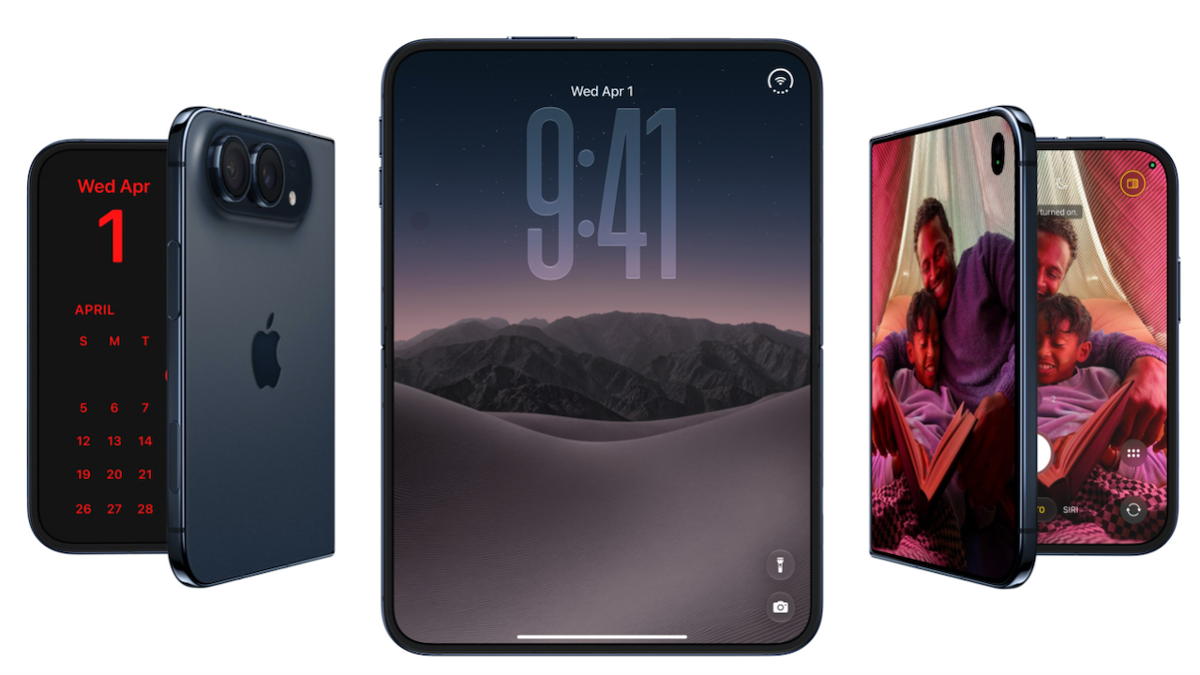
Apple’s iPhone Duo starts at $1,999, and that price doesn’t buy a flagship camera setup or the biggest battery in Apple’s lineup. CNET’s comparison with Samsung’s Galaxy Z Fold 8 Ultra makes the trade-offs plain: Apple’s foldable is the smaller, more compact device, with a 5.4-inch cover display, a 7.6-inch inner screen and support for just two apps at once. Samsung’s Ultra is larger in every meaningful way, with a 6.5-inch outer screen, an 8-inch inner panel and multitasking for up to three apps.
The Duo leans into portability and durability. Apple gave it IP68 protection, which is unusually strong for a foldable, along with a matte inner display designed to tame reflections and soften the look of the crease. The phone is 5.2mm thick when open and 11.3mm when closed, so it’s not the thinnest foldable on the market, but it does seem built for people who want a folding iPhone without feeling like they’ve traded away the company’s usual polish.
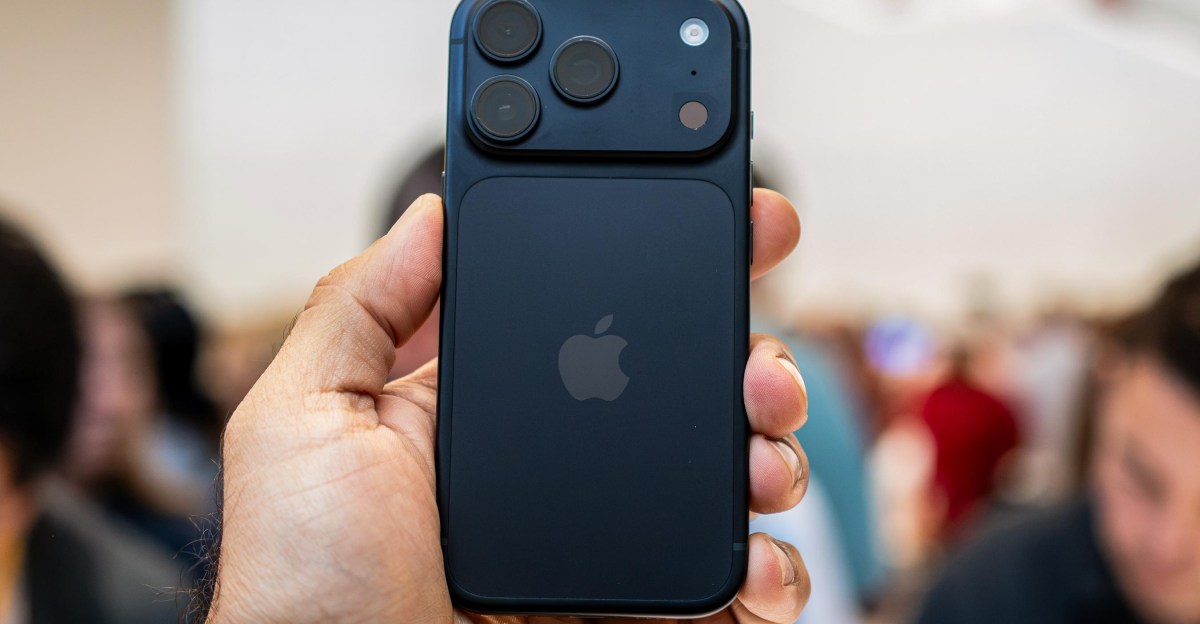
Samsung’s book-style rival remains the more aggressive all-rounder. It’s thinner, lighter, and more camera-rich, with a 200-megapixel main sensor and telephoto lens that Apple simply doesn’t offer here. Apple opted for two 48-megapixel rear cameras instead, keeping the device closer to the company’s existing Pro-level design language than to Samsung’s do-everything approach.
The bigger surprise may be just how much money Apple is reportedly sending Samsung’s way behind the scenes.
According to supply-chain chatter cited this week, Samsung Display has landed an exclusive, three-year deal to supply the foldable OLED panels for the iPhone Duo and later foldables. One estimate puts Apple’s internal folding screen at about $250 per panel, with the outer display adding another $80. That would make the display stack roughly $330 before assembly — a stunning amount for a single component. The inner screen alone is reportedly close to four times the cost of the OLED panel Apple uses in an iPhone 18 Pro Max.
There’s a reason the number is so high. The Duo reportedly uses Samsung’s newer M16 OLED material set and a 10-layer inner screen stack that includes a nano-texture layer aimed at reducing glare and improving durability over repeated folding. In other words, Apple is buying the kind of panel that is hard to make, hard to scale and hard to replace. For now, Samsung Display looks to be the only supplier capable of meeting Apple’s requirements at volume.
That creates a strange little loop: Samsung’s phone division will compete directly against the iPhone Duo in stores, while Samsung Display earns money on every Duo Apple sells.
The pricing also tells you plenty about Apple’s current mood. As Macworld noted in its round-up of the company’s latest event, Apple has increasingly treated its product launches as showcases for premium hardware rather than invitations to most buyers. The new foldable sits at the top of that philosophy. So do the rest of this year’s iPhones, including the iPhone 18 Pro, which now takes the spotlight as the “affordable” new model in Apple’s flagship lineup.
And yet, even by Apple standards, the Duo feels like a line being crossed. It is not merely pricey; it is priced like a status object. That may be enough for early adopters, especially those already deep in Apple’s ecosystem. But it also means the company is launching its first foldable in a market where the gap between enthusiast curiosity and mainstream acceptance is still very wide.
That gap may be the real story here. Apple has the brand, the software integration and the marketing machine to normalize a category Samsung helped invent. It also has the cash to absorb a steep bill of materials and the leverage to force suppliers to build better parts faster. If foldables do move closer to the center of the smartphone market over the next year or two, this launch may be remembered less as a product debut than as the moment the category stopped being a tech-demo curiosity and started looking like the next standard phone shape.
For now, though, the iPhone Duo stands in a class of its own: a foldable that is both an Apple statement piece and a very expensive handshake with Samsung.