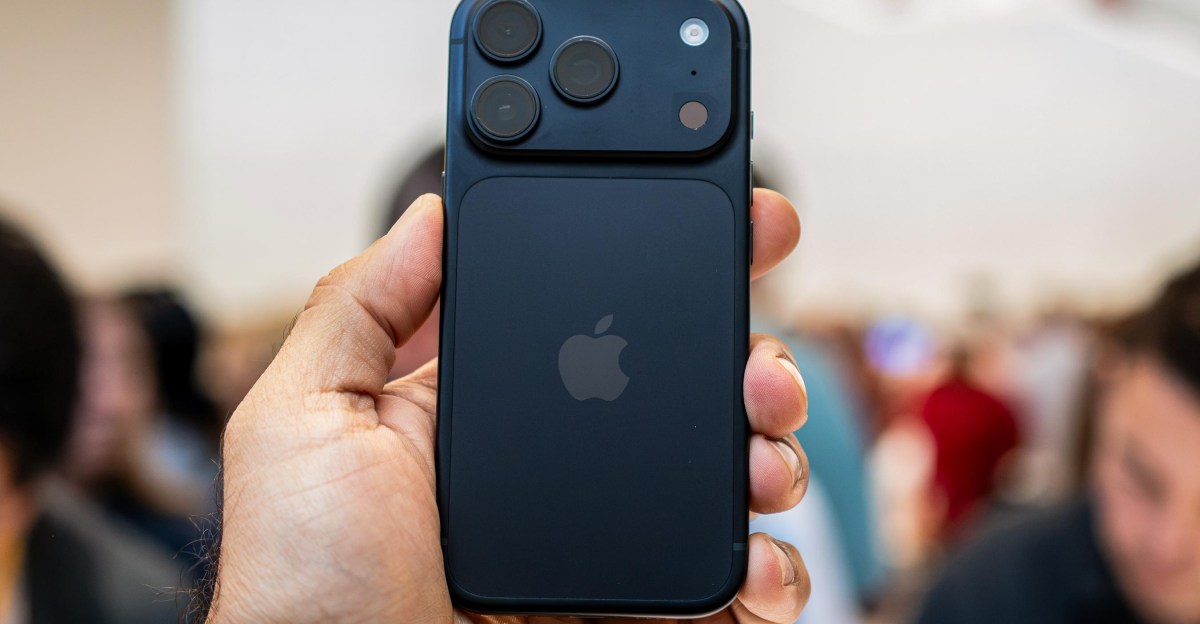
Apple’s iPhone pricing just took a sharp turn upward, and it isn’t only the newest models feeling it.
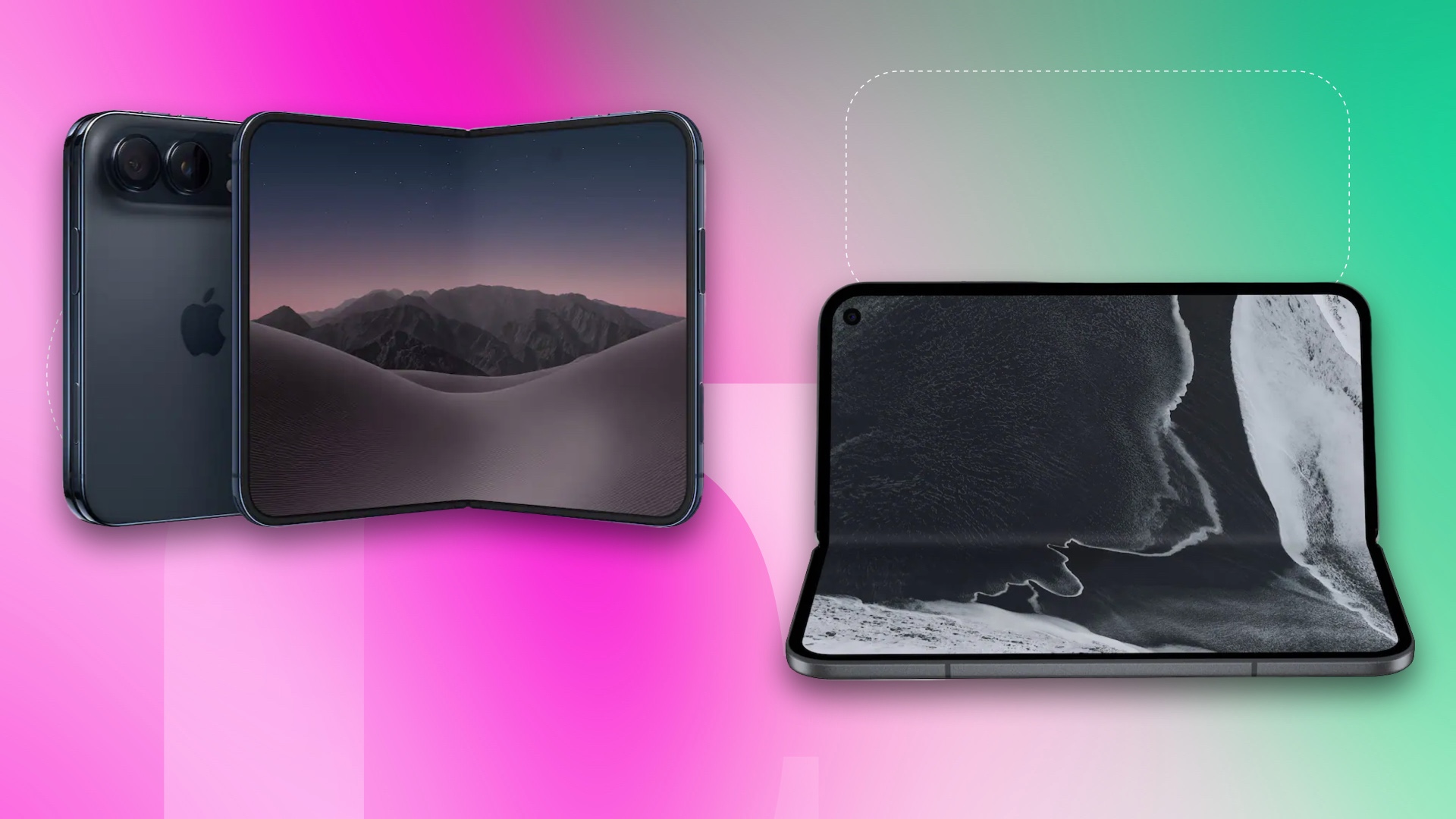
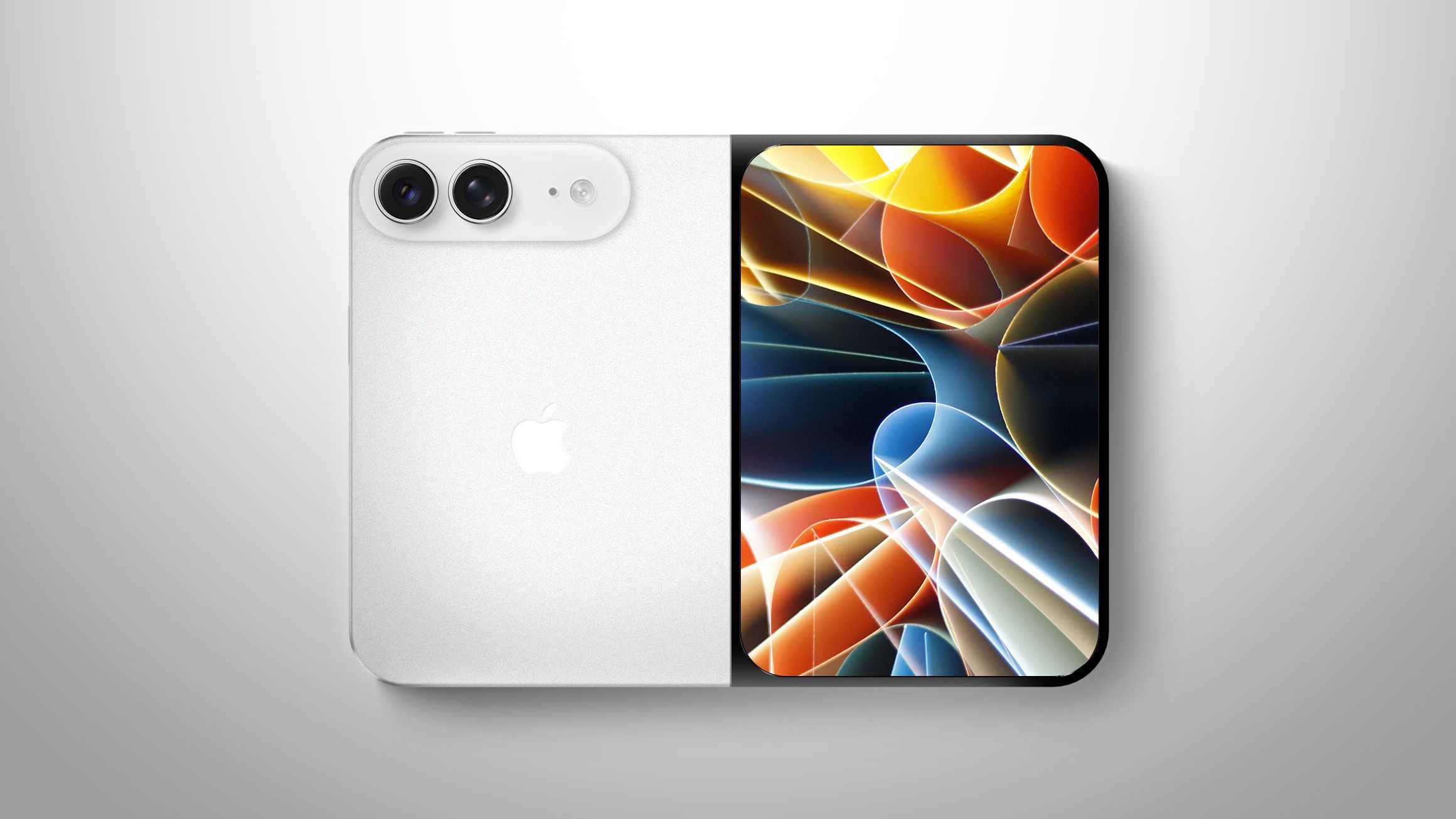
With the launch of the iPhone 18 Pro, iPhone 18 Pro Max and the company’s new foldable Duo, Apple has also quietly bumped up the cost of several older phones by $100. That means buyers who were hoping to save by skipping the latest release are out of luck — the discount ladder has been pulled up a rung.
The iPhone 16, which had dropped to $699 after the iPhone 17 arrived, is back at $799. The iPhone 17e climbs from $599 to $699. The standard iPhone 17 moves from $799 to $899, while the iPhone Air goes from $999 to $1,099. Even the new iPhone 18 Pro and Pro Max arrive with their own price jump, starting at $1,199 and $1,299.
That’s a notable change for Apple, which has traditionally used older models as a softer landing spot for shoppers who don’t want to pay flagship prices. This year, that safety valve is gone. The move also fits a bigger industry pattern: phones are getting more expensive almost everywhere, and not just at Apple. The iPhone 18 Pro launch now sits squarely inside a broader wave of premium pricing, while Samsung’s Galaxy S26 pricing and other recent launches have shown the same drift.
Apple isn’t exactly pretending this is random. The company has been dealing with higher component costs, especially for memory, and the pressure has been building as AI-related demand chews through supply. In June, Tim Cook said price increases were unavoidable even as Apple tried to soften the blow for customers. Bloomberg reported last month that the company was preparing for hikes across its lineup, and now those predictions have landed in the real world.
The timing matters because Apple is making more money than ever, even as it asks customers to pay more. That makes the decision feel less like a necessity and more like a bet that shoppers will absorb the increase anyway — especially in the high end of the market, where Apple has been leaning harder into premium features, bigger margins and, now, a foldable future.
The new pricing may also change how people shop Apple’s lineup. A year ago, the smartest move for many buyers was to wait for the latest model and grab last year’s version at a cut rate. Now that older phones are more expensive too, the value gap has narrowed fast. If you want an affordable Apple phone, your options are getting thinner by the release cycle.
That’s part of a much bigger story this year. The Verge noted that 2026 has become the year of smartphone price hikes, and Apple is just the biggest name confirming the trend. Memory shortages, AI infrastructure demand and a general push toward pricier devices are reshaping the market at the same time. For buyers, the message is simple, if unwelcome: waiting for the next iPhone may no longer mean paying less.