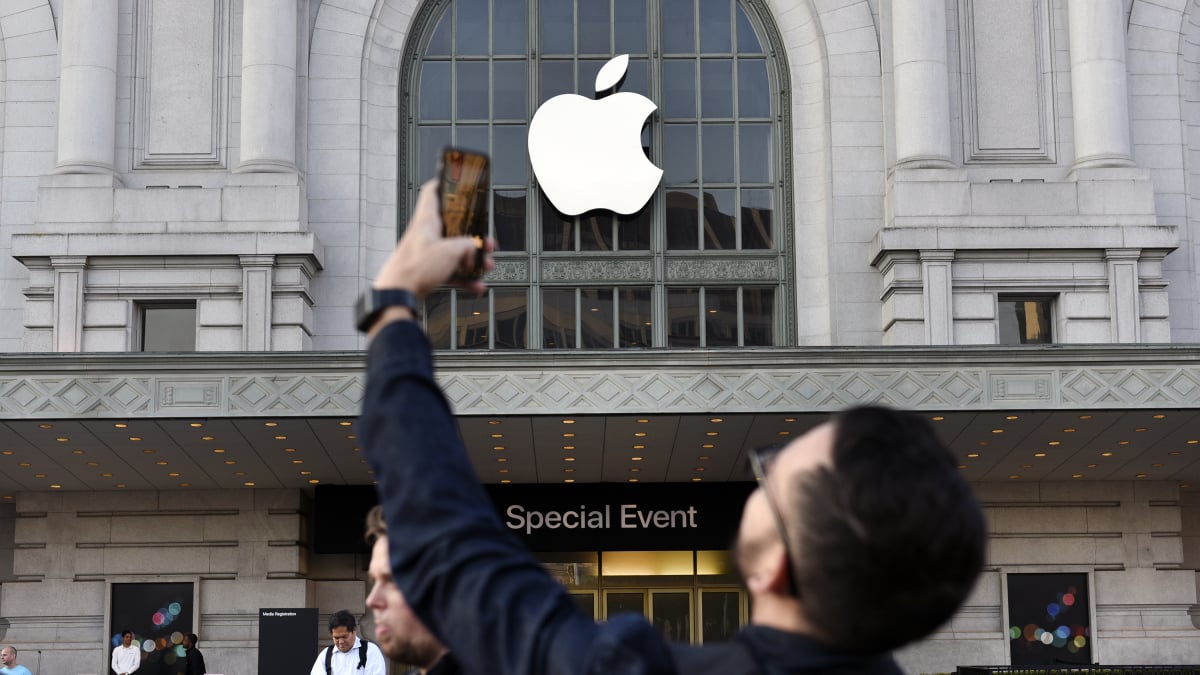
Apple has picked a date, a slogan and, arguably, a very different mood for its next big reveal. The company will hold its annual iPhone event on Sept. 9 at 10 a.m. Pacific time, with invitations carrying the line “Surprise and shine” and a glowing Apple logo that fits the usual September theatrics just fine.
This year, though, the event matters for more than the hardware on stage. It will be the first major product launch led by John Ternus, who takes over as CEO from Tim Cook on Sept. 1. That alone gives the keynote an unusual kind of pressure: Apple won’t just be showing off its next phones and watches, it’ll also be introducing the tone of the Ternus era.
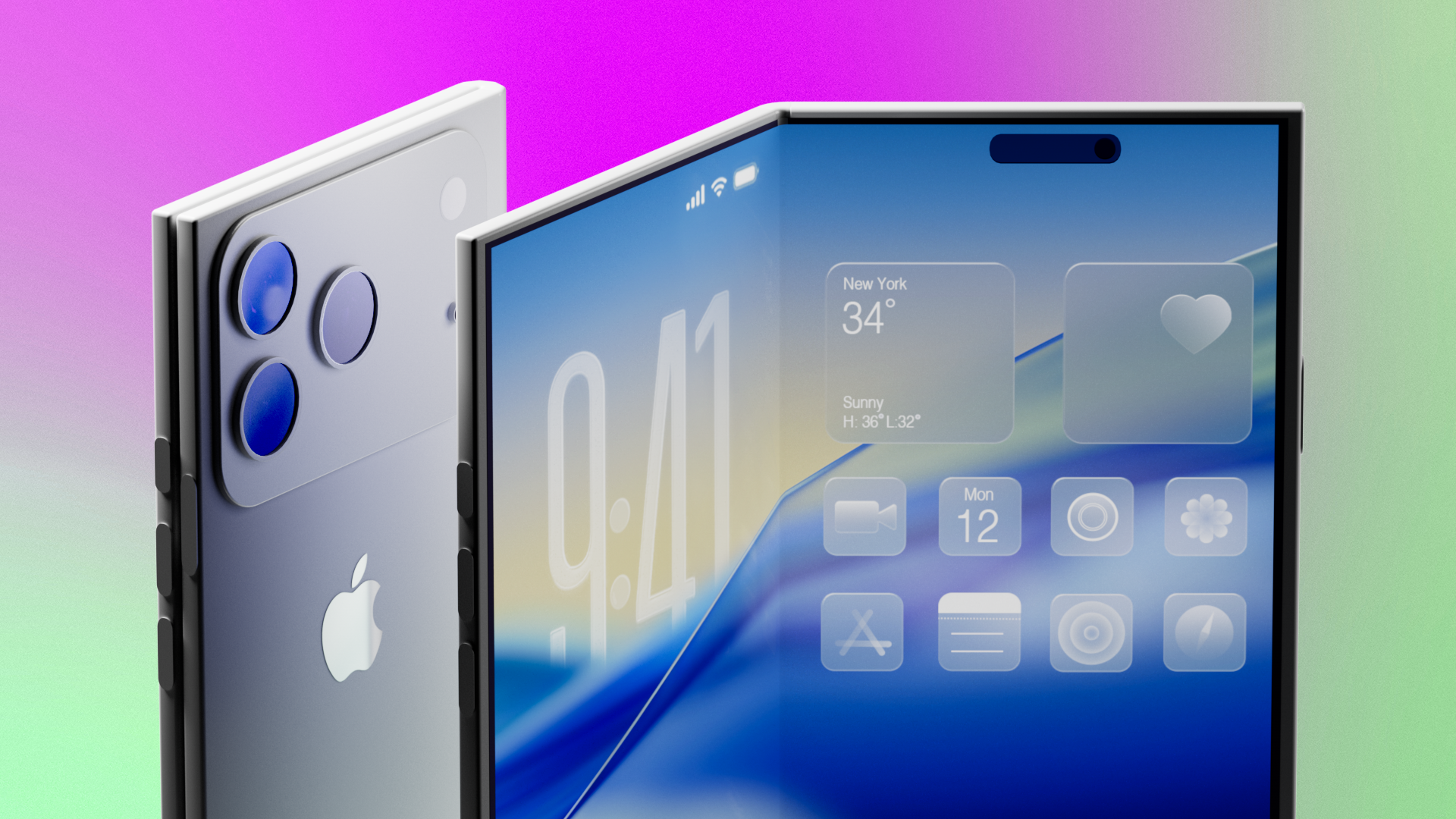
The headline product is expected to be Apple’s first folding iPhone, a device that has been rumored for years and is now edging closer to reality. Bloomberg has described the launch as the start of Ternus’ time in charge, while analysts are already treating the foldable as Apple’s most significant smartphone expansion in years. That’s partly because Apple has moved slowly into entirely new product categories before, and partly because the foldable market is still small enough that one Cupertino entry could reshape expectations quickly.
Apple is expected to keep the spotlight on a narrower phone lineup than usual. The iPhone 18 Pro and iPhone 18 Pro Max should lead the event, while the standard iPhone 18, iPhone 18e and next-gen iPhone Air are reportedly being pushed to a later spring 2027 launch. If that holds, Apple is essentially splitting its phone strategy in two: Pro models in the fall, broader mainstream models later.
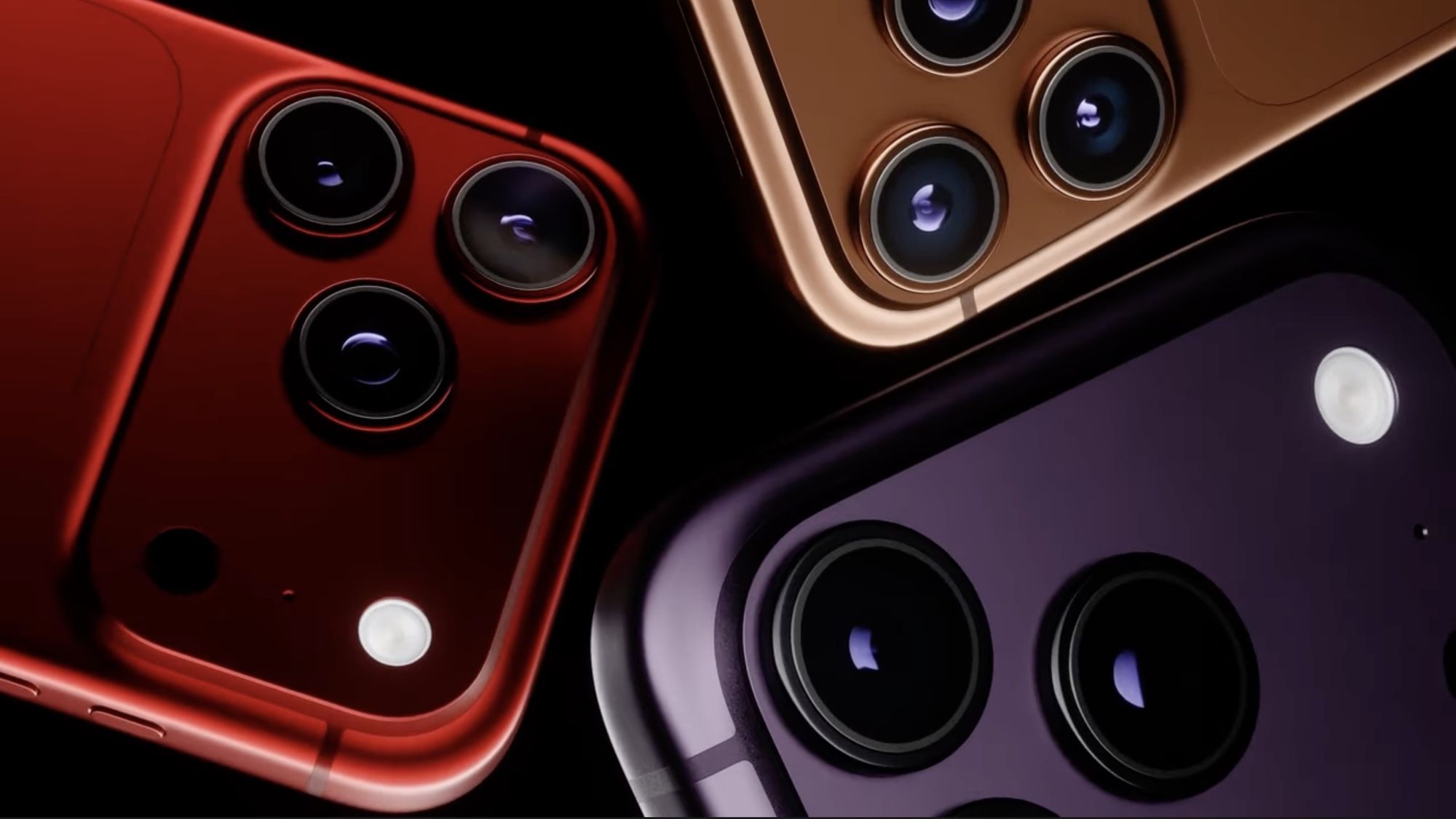
The Pro phones are rumored to be familiar at first glance, but with a few meaningful adjustments. Leaks point to a smaller Dynamic Island, a more unified rear glass finish and new color options including silver, dark gray, light blue and a shade called dark cherry. Internally, Apple is expected to move to A20 and A20 Pro chips, a new C2 modem and an N2 chip aimed at improving wireless performance. Rumors also suggest 12GB of RAM across the Pro lineup and a battery boost that could push capacity to around 5,000mAh. For a company that likes to call its changes “profound” while making them look subtle, that tracks.
Camera upgrades may be the part that actually gets enthusiasts leaning in. Multiple reports point to a larger telephoto aperture and variable aperture support, which would be a real shift for the iPhone camera system. There’s still some debate about whether that feature lands on both Pro models or only the Pro Max, but either way, Apple seems to be aiming squarely at its biggest camera critics. If you’ve been following the steady drip of iPhone 18 Pro rumors, this is the part that has looked most promising for a while.
Then there’s the foldable. The device widely expected to be called the iPhone Ultra is shaping up to be Apple’s most closely watched launch item in years, even before anyone has seen it on stage. The rumored specs sound very Apple-like: a book-style design, a 7.8-inch inner display, a 5.5-inch outer screen, Touch ID instead of Face ID, four cameras total and a liquid-metal hinge. Pricing, if current estimates are anywhere near right, could start above $2,000. That would make it expensive even by premium-phone standards, but also squarely in the same territory as Samsung’s most ambitious foldables.
Apple’s timing on the Ultra is still a little murky. Some reports suggest the company may announce it in September and ship it later, following the old “announce now, sell later” playbook Apple used with the iPhone X. Others argue the phone could arrive more quickly than that. Either way, the device’s existence is no longer really in question. Between code references in iOS betas and the company’s own product roadmap, the foldable has moved from rumor to near-certainty. We’ve been tracking the device for months in our coverage of Apple’s foldable iPhone plans and the broader iPhone Ultra foldable concept.
Apple Watches are expected to show up too, likely the Series 12 and Ultra 4. Don’t expect a dramatic redesign there. Current reporting points to incremental upgrades, new health and fitness features, and fresh color and band options rather than a major rethink. That may sound a little modest next to a foldable iPhone, but it’s very much in line with how Apple tends to handle the wearable side of a big fall event.
There’s also a software thread running through this event, especially after CNBC reported that a new version of Siri, sometimes described as Siri AI, could be part of Apple’s September push. That would fit with a broader attempt to make Apple’s hardware narrative feel more forward-looking, especially as rivals keep turning every device launch into an AI showcase. Whether Apple uses the keynote to talk up a smarter assistant or keeps the focus on hardware, the pressure is obvious: Ternus inherits a company that still dominates the phone market but now has to convince people it can lead the next hardware cycle, not just refine the last one.
For Apple, Sept. 9 isn’t just another iPhone keynote. It’s a reset button with stage lighting.