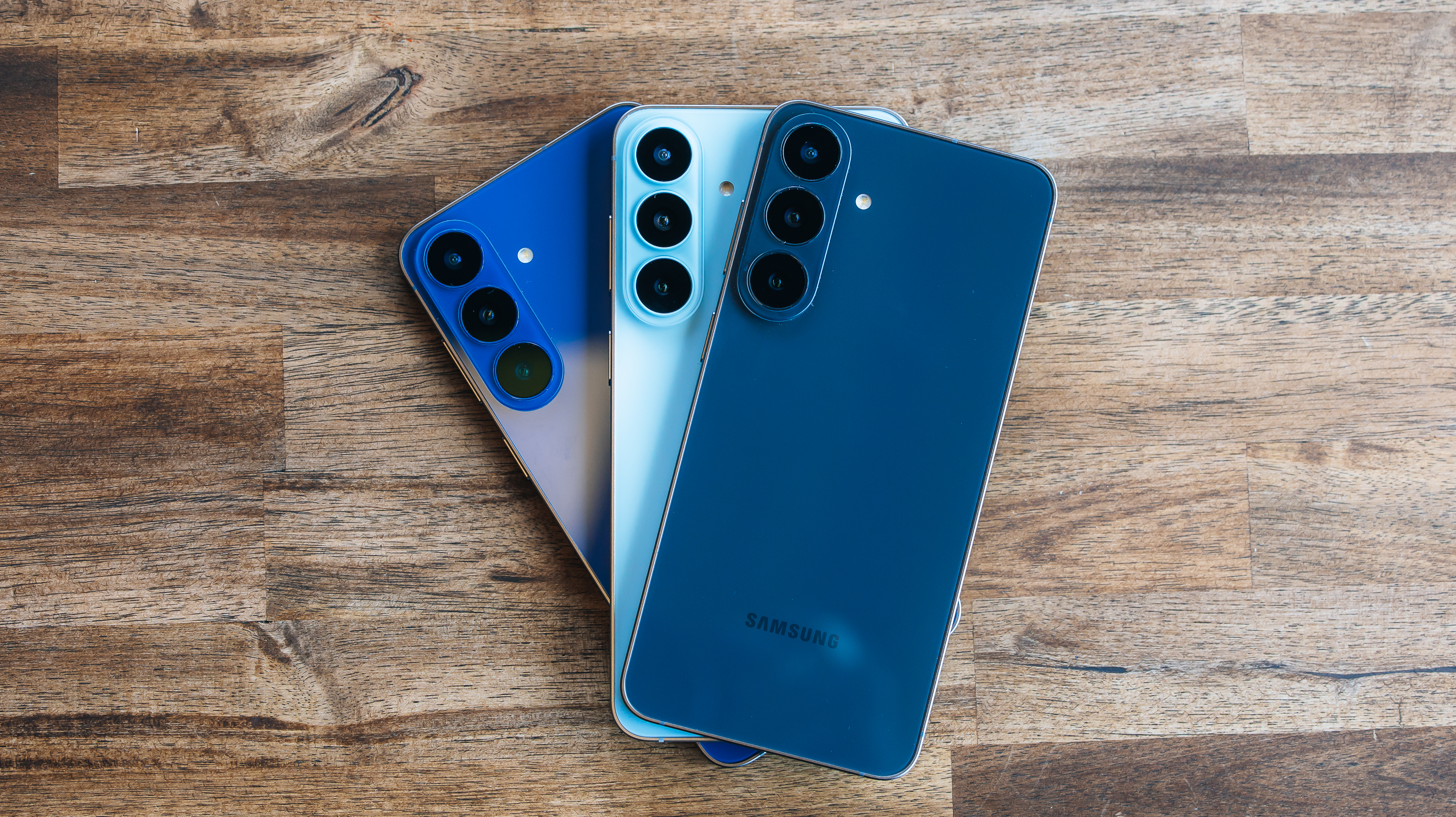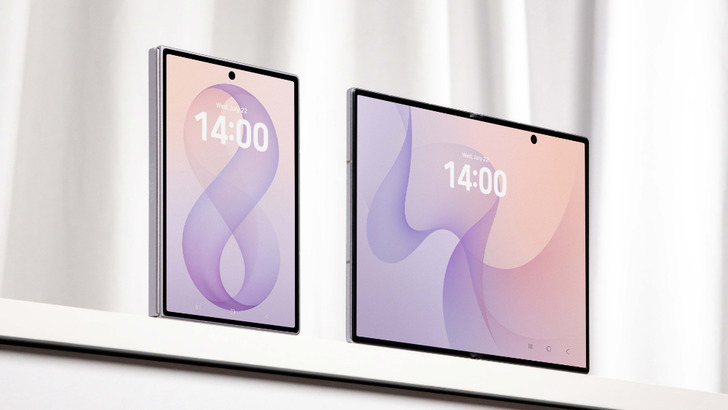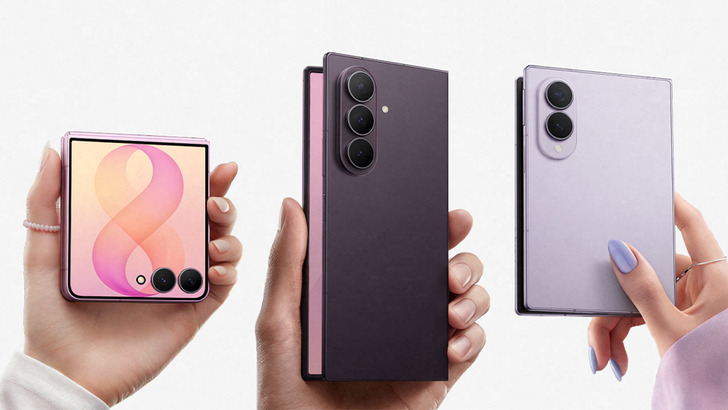
Samsung’s next big software update is moving out of the shadows. One UI 9, built on Android 17, is now reaching more Galaxy flagships, with the company confirming that the beta program will expand in September to the Galaxy S25 lineup, the Galaxy Z Fold 7, and the Galaxy Z Flip 7.
That matters for two reasons. First, it nudges Samsung’s newest phones closer to the stable Android 17 release. Second, it gives a broader slice of Galaxy owners an early look at the changes before the final build lands. The update is already shipping on the Galaxy Z Fold 8 and Flip 8 out of the box, while Galaxy S26 users have been testing the beta for months. Now Samsung is widening the circle.
The beta will be available through the Samsung Members app, and Samsung says users in India, Korea, the U.K. and the U.S. will be eligible. The rollout starts in September, though Samsung hasn’t pinned down an exact day yet. Given how these programs usually go, the first wave could arrive quickly once the switch flips.
A more polished One UI, not just a fresh coat of paint
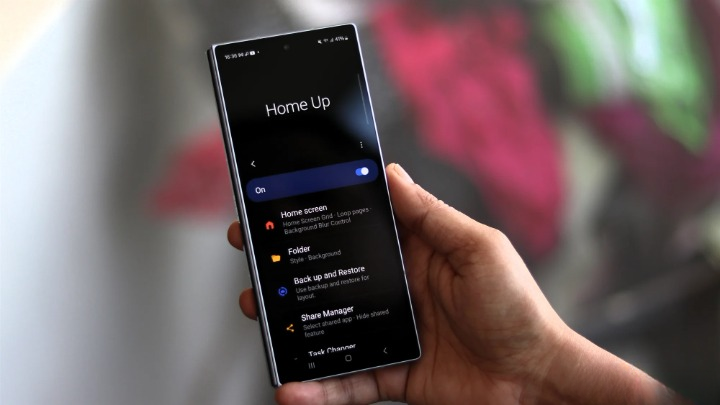
The first Galaxy S25 One UI 9 beta suggests Samsung isn’t treating this as a minor tune-up. The changelog is packed with practical changes, from a more customizable quick panel to better Samsung DeX handling and new tools in Samsung Notes.
The quick settings area is getting more flexible, with support for resizing the brightness and volume sliders and the media player, plus the option to separate the sound mode button from the volume control. That sounds small on paper, but it’s the kind of tweak people actually notice every day.
DeX is picking up a few quality-of-life improvements too. Moving an app window between desktops should be easier, and desktop previews now sit at the top of the Recents screen, making it simpler to jump around with one tap. Samsung Notes also gets a new Tape feature, which lets users cover up parts of a note and reveal them later, along with additional pen styles.
Samsung’s broader software push has been leaning in this direction for a while, with features that try to make the ecosystem feel more cohesive rather than just more flashy. The company has already been adding cross-device niceties elsewhere, including AirDrop-style Quick Share support, and One UI 9 seems to keep that momentum going.
Accessibility gets a meaningful lift here, too. Samsung is adding text spotlight, physical keyboard shortcuts, mouse key improvements, a relocated single-tap replacement option, Select to speak, and a cleaner path for TalkBack updates through the Play Store. There’s also a new location access indicator, which should make it easier to see when an app is using your GPS.
That part will likely fly under the radar for most people, but it’s the sort of quiet change that tends to age well. Android 17’s broader feature set is clearly influencing Samsung’s own work, much like the platform changes we’ve seen in Android 17 beta testing elsewhere.
The beta still has hidden tricks up its sleeve
Samsung’s Galaxy S26 beta builds have also been a source of surprise extras, including Motion Assist and Satellite Connectivity references that weren’t part of the obvious headline features. Motion Assist is an Android 17 feature aimed at reducing motion sickness by adding visual cues while you’re riding in a moving vehicle. On Pixels, it’s tucked into system settings; on Galaxy phones, it’s at least beginning to surface in beta form.
Satellite Connectivity is the more ambitious tease. Hidden in One UI 9 Beta 7, the option points to support for satellite SOS and messaging, though it’s not ready for normal use yet. The page still throws up restrictions, and the toggle has to be enabled manually through developer tiles. In other words, Samsung is clearly laying the groundwork, but the plumbing isn’t finished.
That’s very much in line with how Samsung has been handling its latest software cycle: release the core update, then keep uncovering more as the betas mature. The result is a version of One UI that feels less like a single launch and more like a series of layered reveals.
For Galaxy S25 owners, the timing is encouraging. Samsung is already talking about the stable One UI 9 release in the context of a wider rollout, which suggests the beta is moving toward its final stretch rather than just getting started. And with the Galaxy Z Fold 7 and Flip 7 now joining the program, the company is clearly preparing its latest foldables and slab flagships for the same Android 17 foundation.
If you’ve been tracking Samsung’s recent software pace, this fits a familiar pattern: the newest premium phones get the earliest access, the betas expand by region, and the more experimental features tend to surface in bits and pieces before they’re fully explained. That’s been true across the broader Galaxy ecosystem, from One UI 8.5’s gradual expansion to Samsung’s more cautious handling of advanced connectivity features.
For now, though, the headline is simple enough. Samsung is widening One UI 9 testing beyond the Galaxy S26 crowd and into the 2025 flagships, and that usually means the stable release isn’t far behind. The update is shaping up to be more than an Android 17 compatibility pass — it’s a fairly substantial round of polish, feature work, and behind-the-scenes groundwork for whatever Samsung wants to do next.