Xiaomi’s next foldable may end up being remembered for something most buyers will never see: its memory chip.
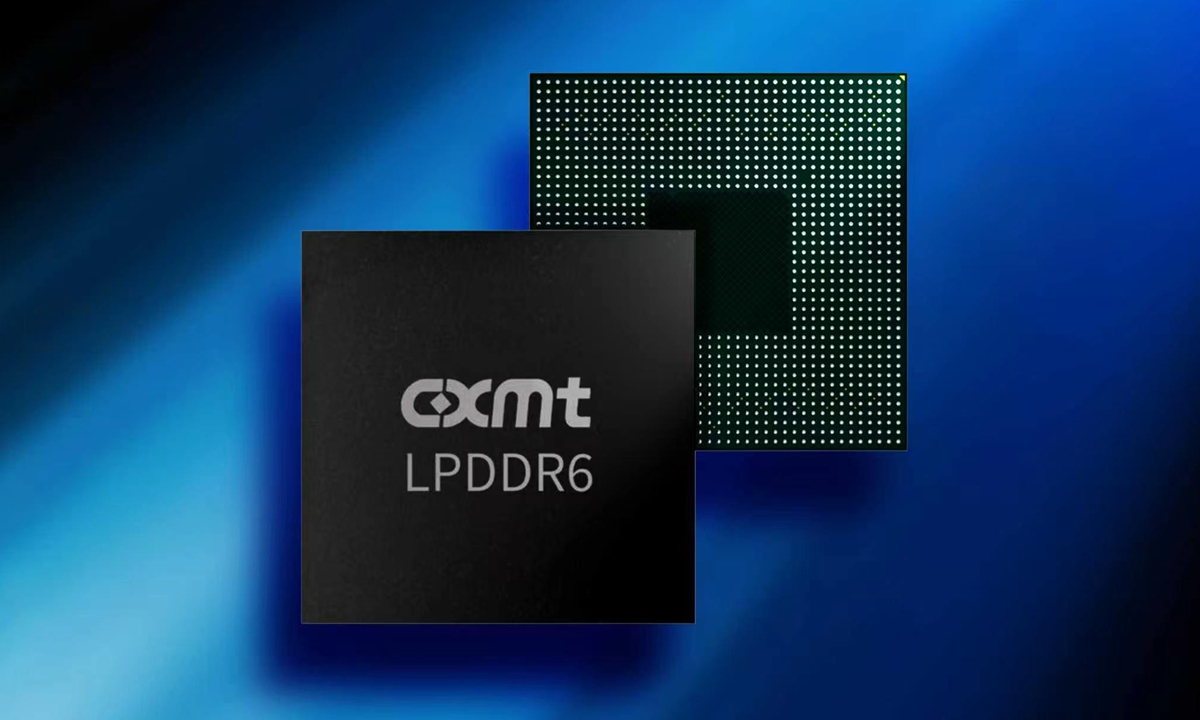
China’s CXMT says it has started mass production of LPDDR6 DRAM, and the new chips are expected to go into Xiaomi’s upcoming 18 Fold. That makes the phone a launch vehicle for a memory standard that, at least on paper, is faster and more efficient than the LPDDR5X generation most high-end phones still rely on.
According to CXMT, the new LPDDR6 parts can hit peak transfer speeds of up to 12,800 Mbps and come in capacities of up to 16GB per chip. That is a meaningful jump for a class of component that tends to sit quietly in the background while processors and cameras grab the headlines. In this case, though, the memory matters because Xiaomi is pairing it with its in-house XRING O3 processor, the 3nm chip it unveiled on August 24 as the first handset platform built to support LPDDR6.
That combination gives Xiaomi a neat bit of bragging rights. The company’s 18 Fold is now positioned to be one of the first phones designed around a very fresh memory standard, and CXMT is calling the rollout “the world's first commercial deployment of LPDDR6.” If that claim holds, it puts a Chinese memory maker ahead of overseas DRAM suppliers in getting leading-edge mobile memory into actual shipping hardware.
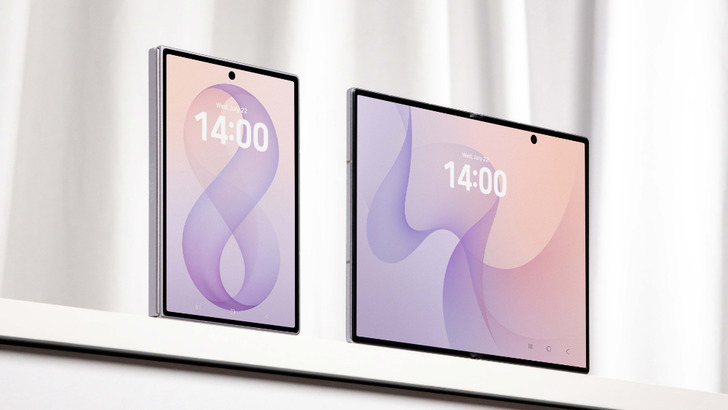
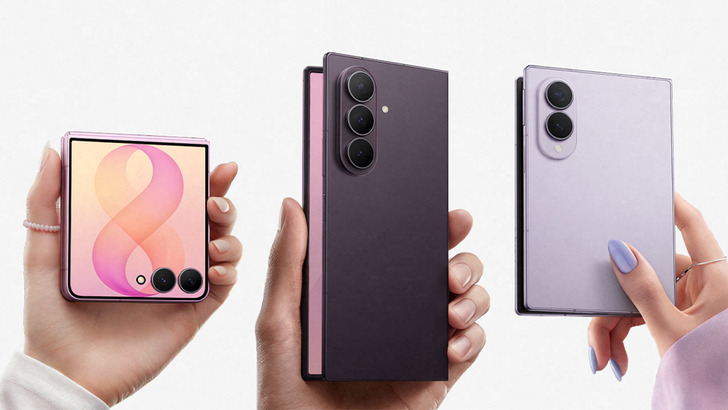
The timing also lines up with Xiaomi’s broader foldable push. Leaks spotted earlier this week showed the Xiaomi 18 Fold moving deeper into book-style foldable territory, with a camera island that draws some obvious comparisons to Apple’s expected design language. That same broader foldable race has been heating up as Samsung refines its own lineup and Apple continues circling a future iPhone Fold, which makes Xiaomi’s move feel less like a spec-sheet footnote and more like a strategic shot.
CXMT’s announcement arrived alongside a striking financial update. The company said revenue for the first half of 2026 reached 150.31 billion yuan, up sharply year on year, while net profit jumped to 77.61 billion yuan from a loss a year earlier. It is a reminder that China’s memory sector is no longer only talking about catching up; in pockets like this, it is trying to set the pace.
There is also a geopolitical shadow hanging over the story. CXMT said it has sued the US Defense Department over its designation as a “military company,” insisting that it makes DRAM only for commercial and civilian use. The company says the Pentagon’s decision was unsupported and violated due process, a familiar kind of fight for Chinese tech firms trying to expand their global credibility while Washington keeps a close eye on the sector.
For Xiaomi, though, the near-term story is simpler: its foldable is getting a memory upgrade that should help with performance, power efficiency, and multitasking. That matters on a device category where screen size, split-window use, and sustained responsiveness all matter more than they do on a standard slab phone. And if foldables are increasingly becoming the premium playground for component innovation, this one looks like a very deliberate flex.