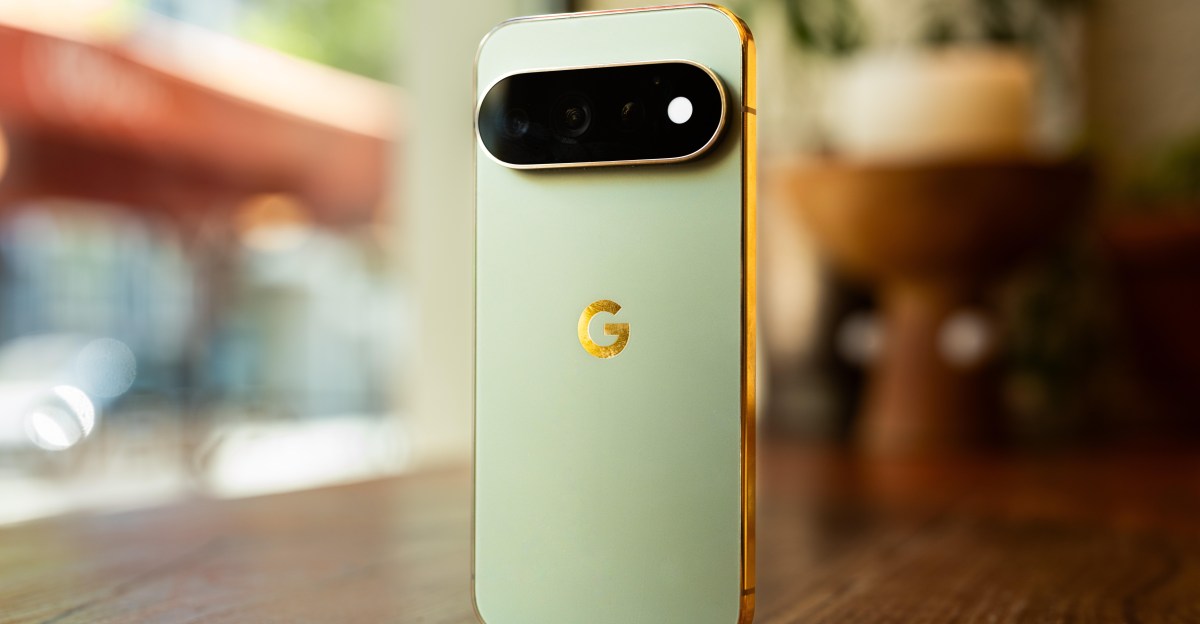
Google’s Pixel 11 phones arrive with a strange split personality. On one hand, they’re the company’s most refined phones yet: bright screens, excellent cameras, long software support, Qi2 magnets, and a handful of genuinely useful new tricks. On the other, they’re also the clearest sign that Google is happy to keep polishing the same basic idea while the rest of the market keeps sprinting ahead.
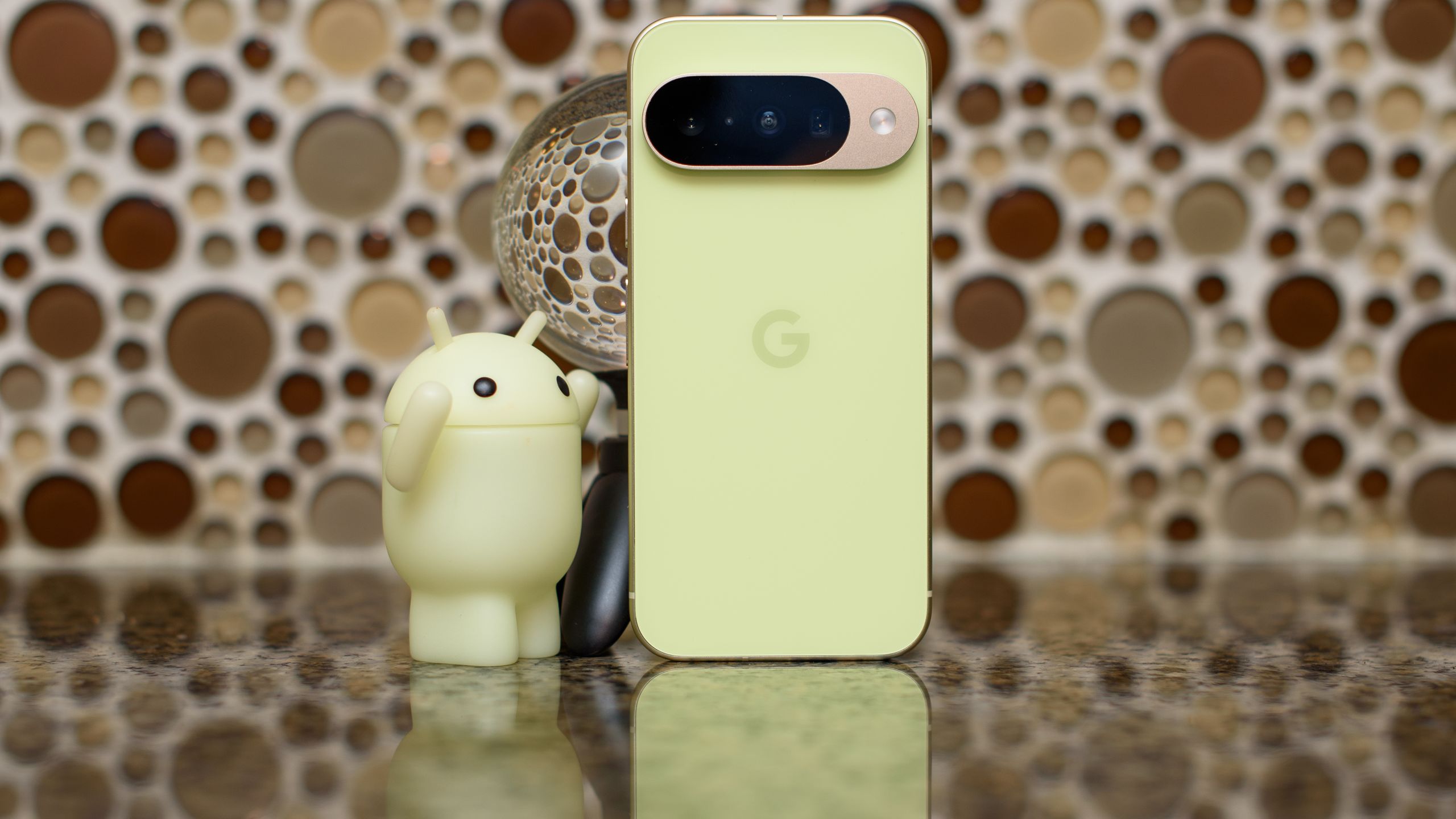
That tension shows up everywhere in the lineup. The Pixel 11 Pro and Pro XL look almost unchanged from last year, but the little improvements add up: sturdier build quality, slightly brighter displays, faster charging on the XL, and camera hardware that’s been nudged in the right places. The base Pixel 11 keeps the family resemblance and remains the most sensible buy for most people, especially when you remember that Google’s Pixel 10 deals are likely to make last year’s model even more tempting. The Pixel 11 Pro Fold, meanwhile, is the most complicated member of the bunch — durable, IP68-rated, and still very good, but also thick, heavy, and increasingly out of step with what foldables are becoming.
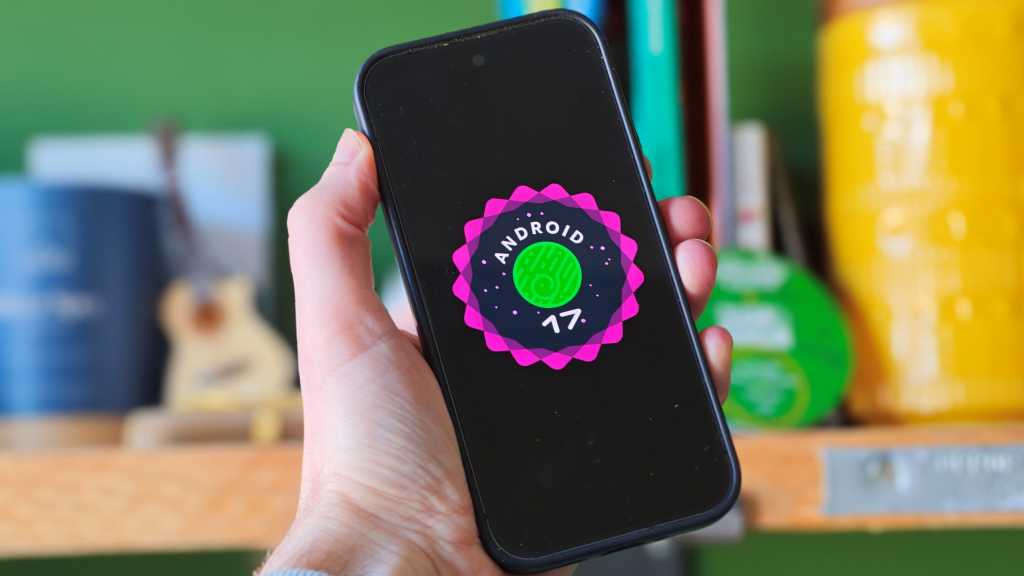
A lot of Google’s pitch this year leans on software, and that’s where the company still has real charm. The new Rambler voice typing feature is the kind of thing that makes a phone feel surprisingly personal. It strips out filler words, cleans up your speech, and can even format a message as you talk. In practice, it’s a little uncanny — sometimes brilliant, sometimes over-eager — but it’s also the sort of feature that makes a Pixel feel distinct. WIRED’s test even found it handling Malayalam in a way that felt almost magical. Google’s own Android 17 QPR1 Beta 2 hints at how much of the company’s recent work is focused on these small, usability-driven refinements rather than dramatic overhauls.
The Pixel 11 Pro and Pro XL also get Camera Looks, which gives users more control over the phone’s famously processed image style. Think of it as Google acknowledging that not everyone wants the same hyper-clean Pixel look every time. There are preset styles and deeper editing controls, and while it’s not the sort of feature that will sell a phone by itself, it does make the camera app feel less one-note. Magic Capture is more practical than flashy: it can keep recording, then choose moments for stills on its own. It works best when the scene is simple and the subject stays roughly in frame, which is to say it’s helpful, but not a substitute for paying attention.
Google is also leaning hard into Gemini. Proactive Assistance bubbles, app automation, and the whole “your phone can help you use it less” message are meant to make the device feel supportive rather than addictive. In theory, that’s a neat idea. In practice, the results are mixed. The assistant can surface helpful prompts in Messages and some supported apps, but the usefulness drops fast when the feature hits narrow limits or tries to be too clever for its own good. Google’s new AI-heavy direction also echoes what we’re seeing in other products across the industry, including Apple’s quiet iOS 26 upgrades and the increasingly assistant-first pitch around Amazon’s Transformer Phone.
Then there’s HiLight, the glowing camera-bar notification feature that sounds fun until you actually live with it. It lights up when the phone is face down and when Gemini is active, and it can signal calls from a handful of contacts. That’s about it. For a feature that feels designed to be noticed, it ends up being frustratingly limited — and at a time when phones are getting more expensive, “limited but quirky” is a tough sell. It’s the kind of half-baked idea that would have been easier to forgive on a midrange phone, not on devices that now start at $1,099 and climb from there.
Performance is another place where Google’s story gets complicated. Tensor G6 is fast enough in everyday use, and for most people the phones feel smooth, responsive, and stable. But the chip still isn’t in the same league as the fastest silicon from Apple or Qualcomm, especially in graphics. Demanding games can stumble, and on some titles the Pixel 11 Pro models simply don’t behave like truly premium gaming phones. That matters more now that these devices cost so much. Google’s advantage is consistency and thermal stability, not raw muscle.
Battery life lands in a similar middle ground. It’s fine, not impressive. The batteries are a little smaller this year, and while real-world endurance doesn’t seem to have cratered, there’s also no sense that Google has found a breakthrough here. Charging is better on the Pro XL, but the rest of the lineup remains stuck at familiar speeds. The phones all support 25W wireless charging with the right Qi2 gear, which is good news if you’ve already bought into magnetic accessories — one of the few areas where the Pixel ecosystem still feels nicely modern.
The cameras remain the safest reason to buy a Pixel. Google continues to do what it does best: capture fast-moving scenes, preserve detail in difficult light, and avoid the weird color shifts that other brands still struggle with. The 5x telephoto is especially strong, and the updated portrait processing finally seems to have improved hair handling, which Pixel fans will know has been a long-running annoyance. The photos still have that unmistakable Pixel look, though. Sharp, processed, confident. If that’s your thing, the Pixel 11 Pro is a very good place to be.
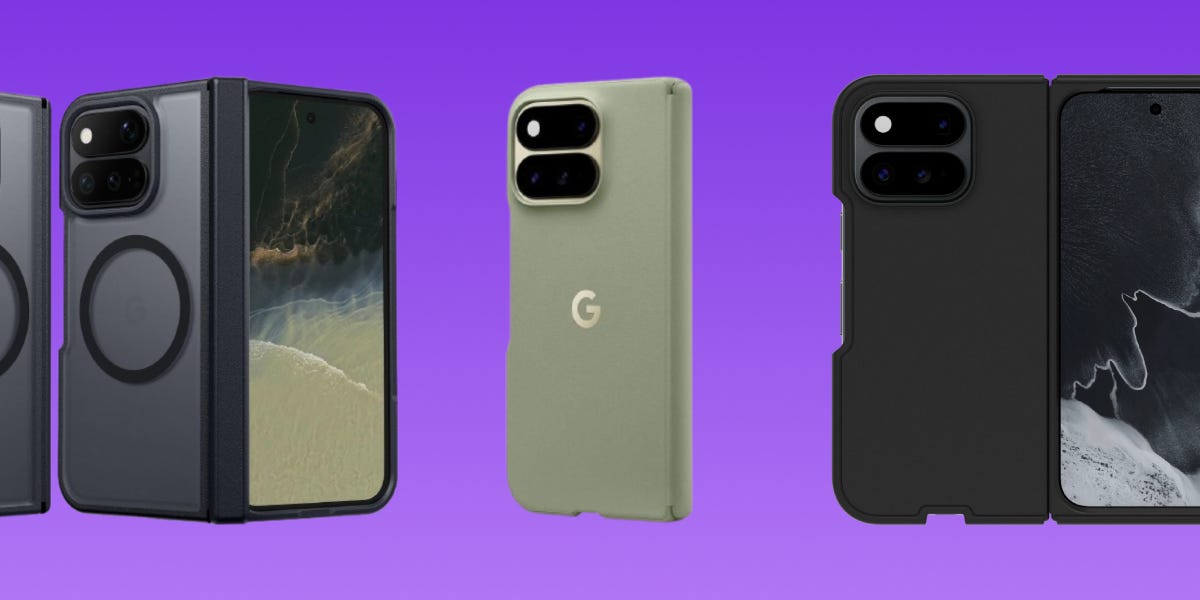
The foldable deserves its own reality check. Google has done durability right — IP68 foldables are still rare, and the Pixel 11 Pro Fold’s tougher body is a real achievement — but the category is moving quickly, and Google’s phone is only moving a little. Samsung’s latest Fold is thinner, lighter, and more convincingly future-facing. Motorola is also pushing harder. Google’s version still has a heavy chassis, a noticeable crease, and a form factor that feels more like a careful upgrade than a bold rethink. It’s good. It’s just not the most exciting thing in the room anymore.
That may be the bigger story of the Pixel 11 series as a whole. Google has made enough smart choices here that these phones are easy to recommend on their own terms. But they’re also arriving in a market where “good enough” is no longer a safe place to linger. The Pixel 11 is a polished continuation. The Pixel 11 Pro is a very good phone with a few truly excellent ideas. And the Fold is a reminder that being solid is not the same as being ahead.