Samsung’s next foldables are starting to sound less like a refresh and more like a fork in the road.
If the leaks are right, the company is preparing two very different Galaxy Z Fold 8 models for later this summer: one that looks like the familiar Z Fold 7, and another that stretches wider in a way that feels closer to Apple’s rumored foldable approach. That split alone would be unusual. The naming drama around it is even stranger.
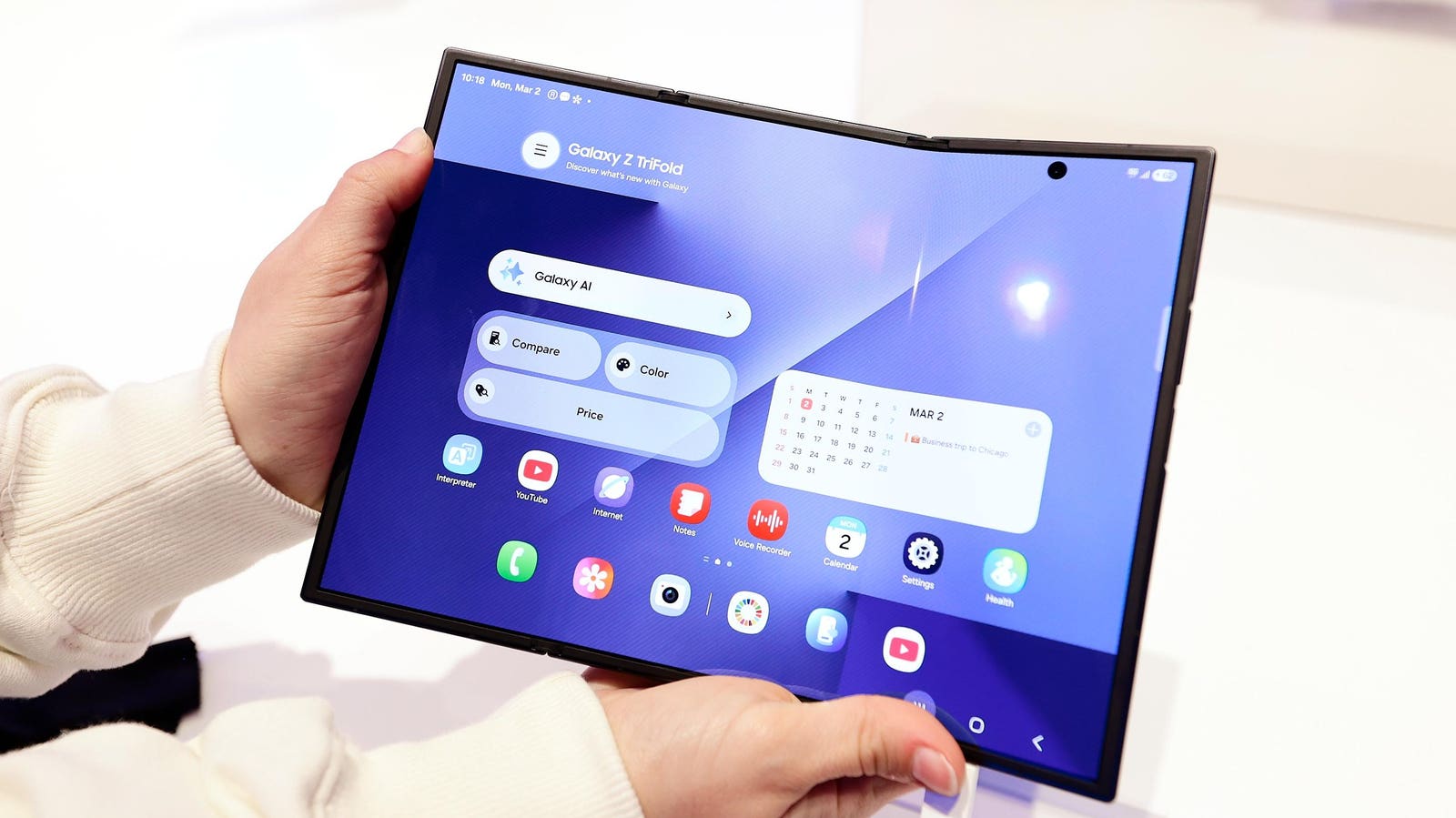
Here’s the basic outline that multiple reports now point to. The taller, slimmer device — effectively the spiritual successor to the Z Fold 7 — may launch as the Galaxy Z Fold 8 Ultra. Meanwhile, the new wider model could simply be called Galaxy Z Fold 8. In other words, the “Ultra” might be the more conventional phone, while the version with the fresh design gets the plain name. Samsung has never been shy about confusing people, but this would be a new level of brand gymnastics.
The timing is not in doubt for long. Samsung is widely expected to unveil its next foldables around July 22, which means the company is close to showing its hand. And unlike recent years, this generation sounds genuinely different rather than a small polish job.
Two foldables, two priorities
The rumored Z Fold 8 Ultra is being described as the safer bet. Think Z Fold 7 with a few meaningful upgrades: a slightly thicker body, a larger battery, possible S Pen-style stylus support, and maybe a better crease situation. Some leaks suggest it could be around 2mm thicker than the Z Fold 7, which would be notable for Samsung, a company that spent the last generation chasing thinness almost at any cost.
That extra thickness may matter. Samsung removed stylus support from the Z Fold 7 to keep it as slim as possible, and a thicker body would create room to bring it back. It would also make sense if the Ultra is the version aimed at people who want the most complete Samsung foldable, not just the thinnest one.
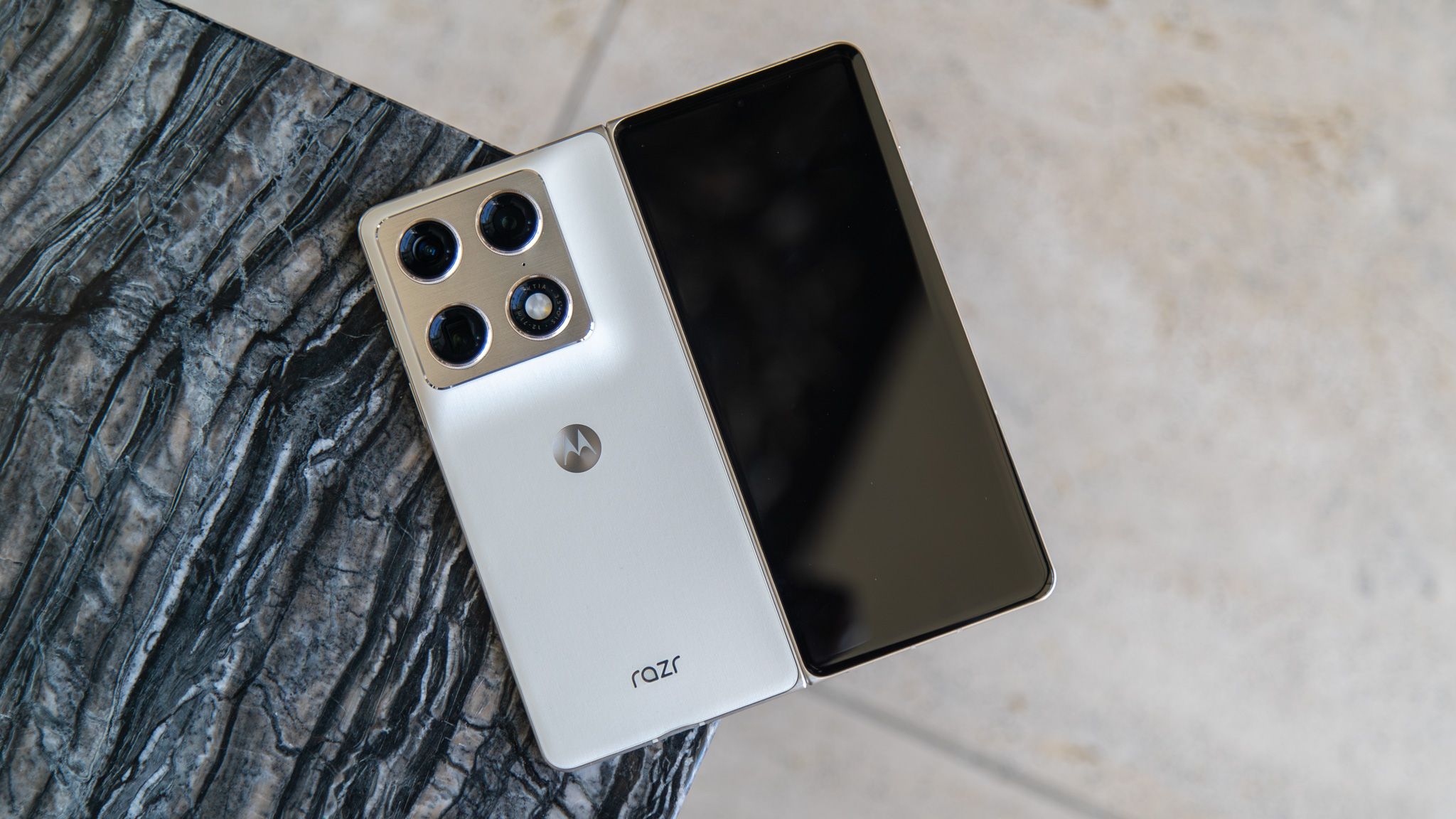
The wider model is the one that changes the conversation. Instead of Samsung’s usual tall book-style shape, the new design is said to be shorter and wider — more like a passport than a narrow slab when folded. That matters more than it sounds. Wider foldables are easier to use one-handed on the cover screen and can feel less awkward when unfolded. Google tried this path with its first Pixel Fold, Huawei has gone back to it, and Apple’s expected first foldable is reportedly taking a similar route too.
That’s why Samsung’s move feels bigger than just another spec update. It’s a direct acknowledgment that foldables don’t all need to behave the same way. And if Samsung really is splitting its lineup this way, buyers will have to decide whether they want the familiar shape they already know or the new style that may prove more practical day to day.
The numbers look better than last year
The good news for Fold fans is that Samsung doesn’t seem to be treating this as a cosmetic exercise. One set of leaks claims the wider Galaxy Z Fold 8 will weigh just 201 grams, which would make it lighter than Samsung’s own Galaxy S26 Ultra and lighter than some rivals too. It’s also expected to pack a 4,800mAh battery with 45W charging, a welcome change after years of Samsung foldables lagging behind Chinese competitors on charging speed.
The supposedly more traditional Galaxy Z Fold 8 Ultra is said to go even further on battery, with a 5,000mAh cell and 45W charging while staying very close to the Z Fold 7’s dimensions. That would put Samsung in a better position against rivals that have leaned hard into silicon-carbon battery tech and faster charging. For once, the company may be matching the pace rather than setting it.
There are camera changes in the mix too. Leaks point to a 200MP main camera on the Fold 8 Ultra, plus an ultrawide and telephoto setup. The wider Fold 8 appears to be the more modest model, with only two rear cameras. That split would make sense if Samsung is trying to reserve the most expensive parts for the Ultra while still offering a fresh form factor at a lower entry point.
The comparison with Apple is already getting hard to avoid. The rumored iPhone Fold is expected to arrive later in the year with a wider frame, a 7.8-inch inner display, and two rear cameras. Samsung, at least on paper, looks ready to answer with both a direct rival and a more familiar alternative. If that sounds like overkill, it may actually be Samsung hedging its bets in a market that still doesn’t know exactly what shape a mass-market foldable should take.
The branding could become the real problem
The bigger question is not whether Samsung can make two foldables. It clearly can. The issue is whether the pricing and naming will make any sense once the phones land.
That concern has been sharpened by commentary from across the industry. If the Z Fold 8 Ultra is basically a refined Z Fold 7 with better battery life and a few extras, it’s hard to see why Samsung would charge dramatically more for it. Yet the “Ultra” label practically invites a higher price. That’s the tension Ben Schoon called out in his analysis of the Fold 8 Ultra’s branding: the name suggests a no-compromise flagship, but the leaked specs sound more like a careful revision than a dramatic leap.
At the same time, Samsung appears to be betting big on the wide model. A recent report suggested the company has sharply raised its sales targets for that device while cutting expectations for the Z Flip 8. That shift is telling. Samsung doesn’t usually ramp up production for a product it sees as a side project. The wider Fold seems to be the company’s real swing at a new category.
That also explains why this year’s foldable lineup feels more consequential than usual. Samsung is not just adding a variant. It’s testing whether the market wants a lighter, wider foldable that feels more like a mini tablet when open, while also keeping a tall version around for people who prefer the old formula. That’s a smart strategy on paper. It just comes with a very Samsung problem: too many names, not enough clarity.
And if the company ends up pricing the wider Fold near last year’s level while pushing the Ultra higher, buyers may do what they always do — wait for discounts. Samsung has already been hiking prices on some Galaxy models, and the memory crunch isn’t making anything cheaper. Even the strongest foldable launch can get dinged if customers suspect the same phone will be hundreds less a few months later.
For now, though, the picture is unusually interesting. Samsung may finally be treating foldables as more than a thinness race. That alone makes this July launch worth paying attention to.