What if your phone stopped being just a pocket computer and started acting more like a helper that can see, plan and nudge you where it counts? That’s the picture Google is painting with Gemini Intelligence — an effort to turn Android into what executives are calling an “intelligence system.”
Google pulled back the curtain at The Android Show: I/O Edition, unveiling a raft of Android 17 features powered by Gemini: real‑time transcription that cleans and tightens speech, AI-created homescreen widgets from plain text prompts, smarter autofill, and automations that jump between apps to complete multi‑step tasks. The company says these abilities will begin landing on phones this summer — and, according to a Korean report, Samsung’s next foldables could be first in line.
Foldables as the early showcase
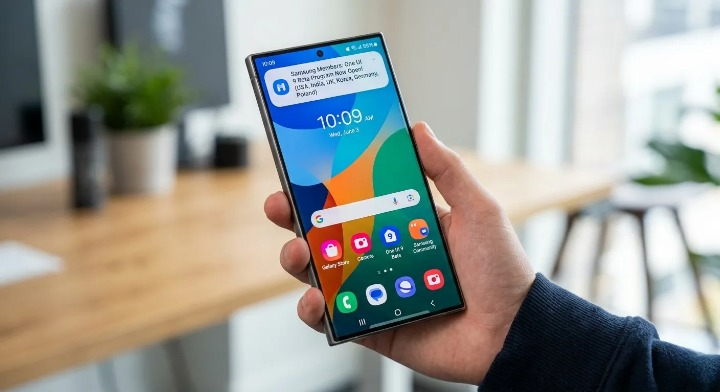
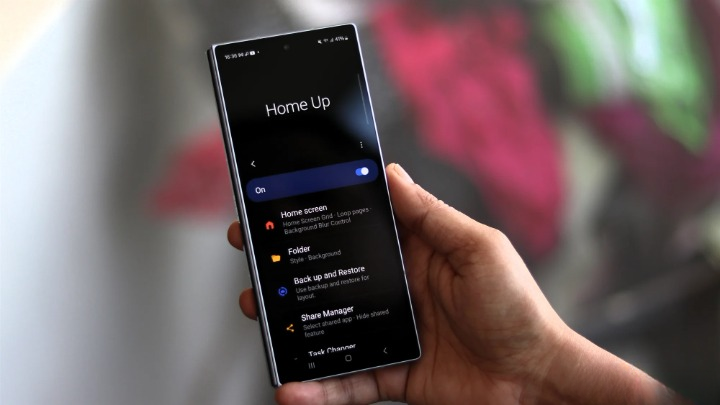
Seoul Economic Daily, picked up by other outlets, reports that Samsung will “commercialize” Gemini Intelligence in the Galaxy lineup via the Galaxy Z Fold 8 and Galaxy Z Flip 8 as part of One UI 9. If true, Samsung’s Unpacked event (widely rumored for July 22) may double as the debut stage for Android’s more agentic features. Google itself has confirmed Pixel and Samsung will receive Gemini Intelligence starting “this summer,” so a near‑simultaneous Pixel release remains likely — but the Korean partnership could put foldables a step ahead.
Why foldables? Bigger screens and flexible app layouts are ideal for demonstrations of multi‑app automation, AI widgets, and split‑screen workflows. Samsung’s One UI team is already testing Android 17 builds for foldables, so bundling Gemini work into that update makes engineering sense.
What Gemini brings to a phone
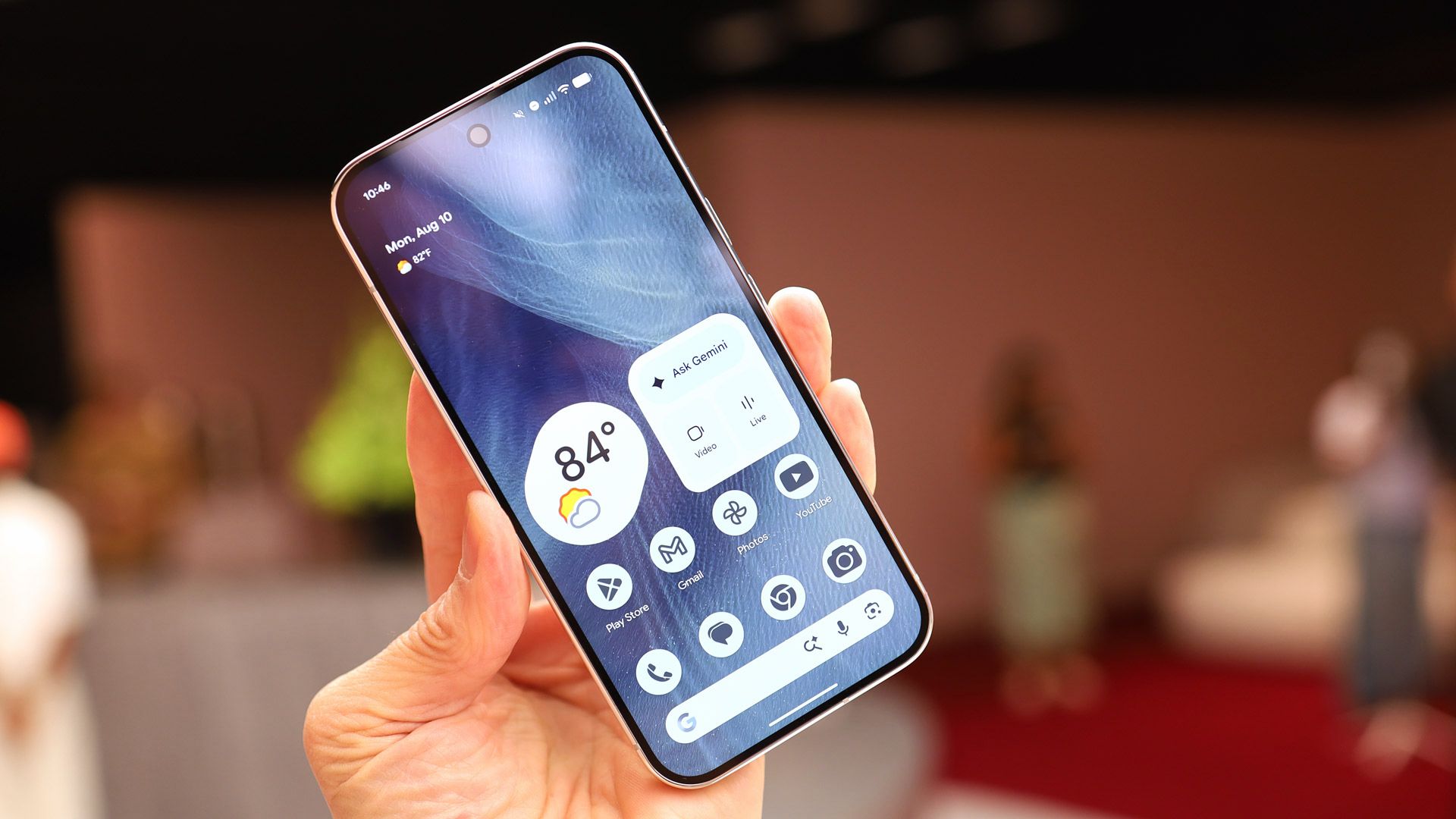
The headline features are both practical and a little showy. Rambler, a Gboard voice‑to‑text tool, strips filler words, auto‑corrects as you speak, and can even follow last‑minute edits without repeating mistakes — a neat trick for long messages and multilingual users. “Create My Widget” lets you type a description and get a custom widget tailored to your needs — think a cyclist’s weather readout focused on wind and rain, or a live list of local concerts.
More ambitious are automation tools that can look across apps — pull a guest list from email, create a shopping cart, and return for approval before checkout. Google describes this as a move beyond the classic assistant query/answer model toward agentic behavior that can take action when given permission. Sameer Samat, who oversees Android, summed it up plainly: Android is “transitioning from an operating system to an intelligence system.”
But the rollout isn’t limited to phones: Google envisions Gemini working across cars, glasses, watches and laptops later this year. Android Auto is getting a major redesign with Gemini baked in, and Chrome on Android will gain an “auto browse” capability. If you’ve followed the recent rumpus around car updates, this will feel familiar — and potentially frustrating for users who’ve seen Android Auto updates cause hiccups in the past. For background on some of those dashboard headaches, see reporting on Android Auto’s recent refresh and issues and related Samsung/Pixel bugs that cropped up after earlier updates (Android Auto Galaxy S26 Pixel Bug).
A few useful extras (and some small comforts)
Android 17 also includes non‑AI niceties: an emoji overhaul, Pause Point to curb doomscrolling, and Screen Reactions for easy creator‑style reaction videos. Google is widening Quick Share interoperability with Apple AirDrop — a welcome change if you’ve ever wrestled with cross‑platform file transfers — and plans wider rollouts beyond Pixel phones. Samsung has already been part of that push toward AirDrop parity; the company’s moves around Quick Share and AirDrop support are an ongoing effort (Galaxy S26 Airdrop Quick Share and Samsung One UI 8 5 Airdrop Quick Share Expansion).
Safety, trust and the limits of automation
Agentic AI sounds exciting — and it raises obvious questions. When an assistant can book reservations, add items to a cart, or interact with banking apps, users need clear controls, confirmations and fail‑safes. Google has repeatedly said the human stays “in the loop,” and that Gemini will seek permission before completing transactions. But researchers, regulators and the public want stronger guarantees: transparency about what the model can access, easy ways to revoke permissions, and protections against costly mistakes or misuse.
Smart glasses, which Google may demonstrate further at I/O, underscore the privacy angle. CNET’s coverage notes that any camera‑forward device must overcome a trust deficit — especially after recent lawsuits and controversies around other vendors’ glasses. In short: useful features won’t be enough unless people feel safe wearing or using them.
How this changes the battleground
Google’s push places Gemini at the center of Android’s future and signals a platform‑level play against rivals: Apple’s expected AI updates at WWDC, third‑party model makers, and cloud AI services jockeying for developer mindshare. Embedding Gemini into the OS — and into partner hardware like Samsung’s foldables — could make Android devices feel markedly smarter in everyday tasks. Whether users adopt those capabilities will hinge on polish, privacy, and whether the automations actually save time instead of creating new prompts and confirmations.
There’s a lot to like on paper: cleaner dictation, widgets made from a sentence, and assistants that can knit together several apps. There’s also work to be done — in latency, safeguards, and cross‑device integration — before agentic AI becomes a seamless part of daily life.
If you’re tracking how this will land on real hardware, keep an eye on Samsung’s July timeline and Google I/O for live demos. Meanwhile, the platform changes in Android 17 promise to ripple outward, affecting developers, car makers, and accessory makers as Gemini spreads across screens big and small.