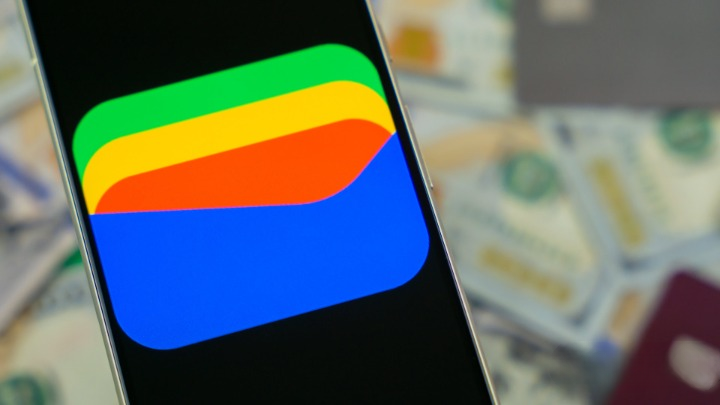
Google is nudging Wallet further beyond payments and into something closer to a digital identity hub.
The company says Google Wallet will start supporting digital ID passes in select European Union countries this summer, while also rolling out a new Google Pay direct checkout experience that brings saved payment options straight onto a merchant’s site. The two updates are aimed at making online shopping less fiddly and, in Google’s telling, more secure.
The ID expansion is the more eye-catching piece for Europe. Google says people in select EU member states will be able to add digital IDs to Wallet, building on launches in places such as Brazil, India, Singapore and Taiwan. The company hasn’t yet named every eligible country, but The Verge reports that Ireland, Spain, France, Italy and Estonia are among the first five. In practice, that means users will be able to scan a passport and create a digital pass inside Wallet.
Google is also leaning harder into age verification. Through a partnership with Sparkasse Bank, customers will be able to confirm they meet age requirements without handing over extra personal details like a full name, address or date of birth. That matters as more countries tighten rules around online age checks, and it keeps the process in line with the privacy-first pitch Google has been making around Wallet. It also follows the company’s broader push into digital ID support, including recent work to expand identity tools in regions such as India and the UK — and, unlike some of the more experimental identity efforts floating around the industry, this one is tied to a very practical use case.
On the checkout side, Google Pay direct checkout is the bit most shoppers will notice first. Rather than bouncing through extra menus or separate authentication screens, the new flow surfaces the cards and payment methods stored in Wallet directly on the retailer’s checkout page. Google says the feature is live now for select merchants using Airwallex and will soon reach merchants using Adyen as well, with broader partner support planned worldwide.
The company’s examples suggest a cleaner, more embedded checkout flow than the pop-up style Google Pay experience many users already know on mobile. And that’s important, because checkout friction is one of those tiny annoyances that quietly costs retailers money. In Google’s own testing, a related payment authentication update cut authentication time by 50% and lifted conversions by 3%.
That authentication change, called Secure Payment Authentication, is rolling out in the U.K. and Poland in the coming months through partners including Visa, Checkout.com, Autopay and Adyen. Google says it meets EU security requirements while trimming out the awkward bits: fewer one-time passcodes, fewer detours to another site, and less chance a customer abandons the purchase before tapping “Place order.”
It’s a familiar theme for Google this year. Wallet has been steadily growing from a simple tap-to-pay app into something more ambitious, with broader identity support and more commerce features layered on top. We’ve already seen the company push harder on web payments and checkout convenience, a direction that lines up with features like new ways to make web payments easier and other recent payment tweaks across Google’s ecosystem.
There’s also a competitive angle here. Apple Pay has long been the benchmark for smooth online checkout, especially where merchants support embedded wallet flows. Google’s latest move looks like an attempt to match that simplicity while folding in identity verification tools that can be reused across shopping, age checks and other services. If it works as promised, Wallet stops being just a place where you stash cards and starts feeling like part of the web itself.