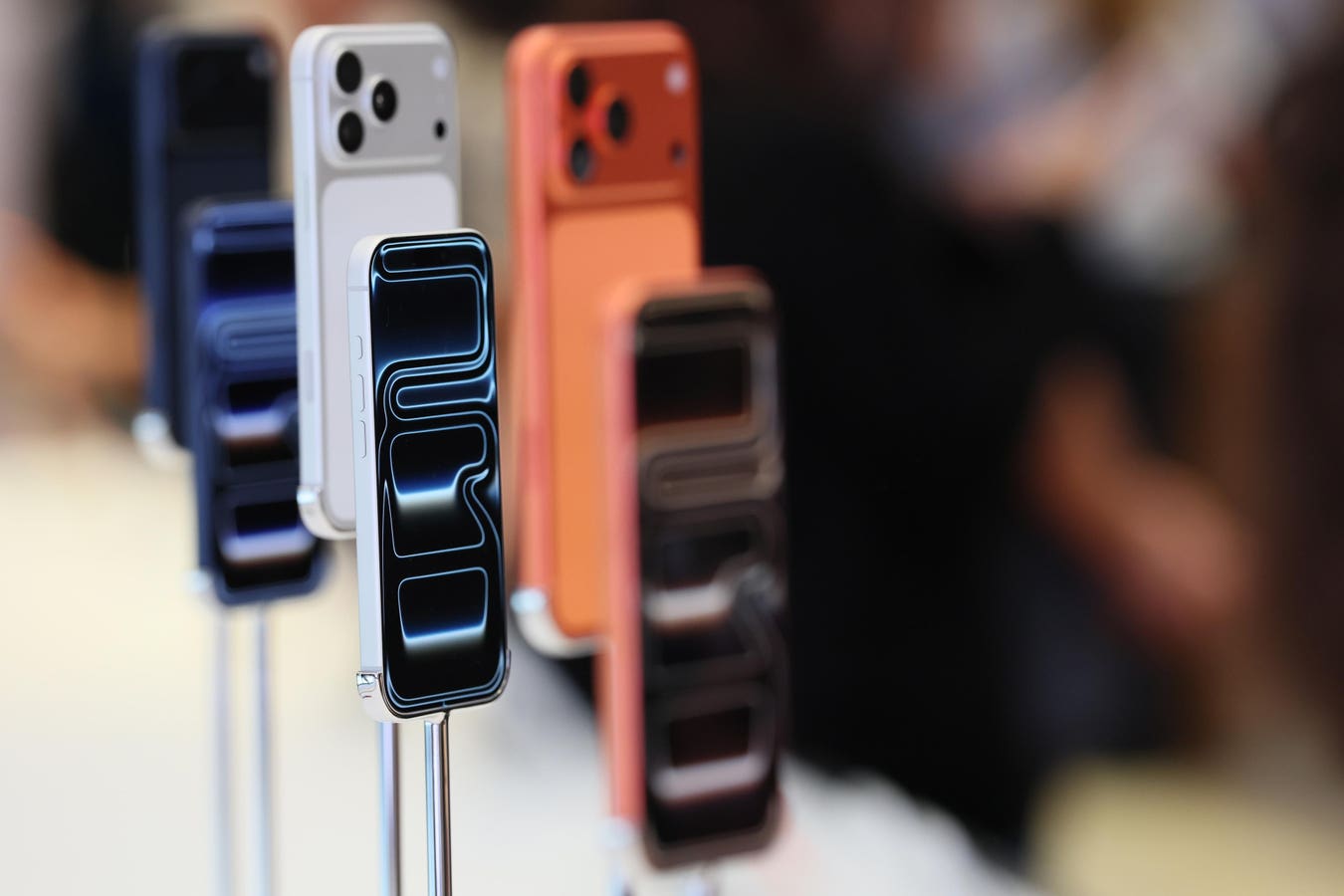
A single low-resolution image posted to Weibo has stirred another round of speculation about Apple's much-rumored foldable — the so-called iPhone Ultra. The picture, shared by frequent leaker Ice Universe, shows a white-backed device with two rear cameras and an all-but-seamless front; observers immediately called it a prototype, and critics fired back that it looks like a third‑party dummy.
What's in the photo — and what we already knew
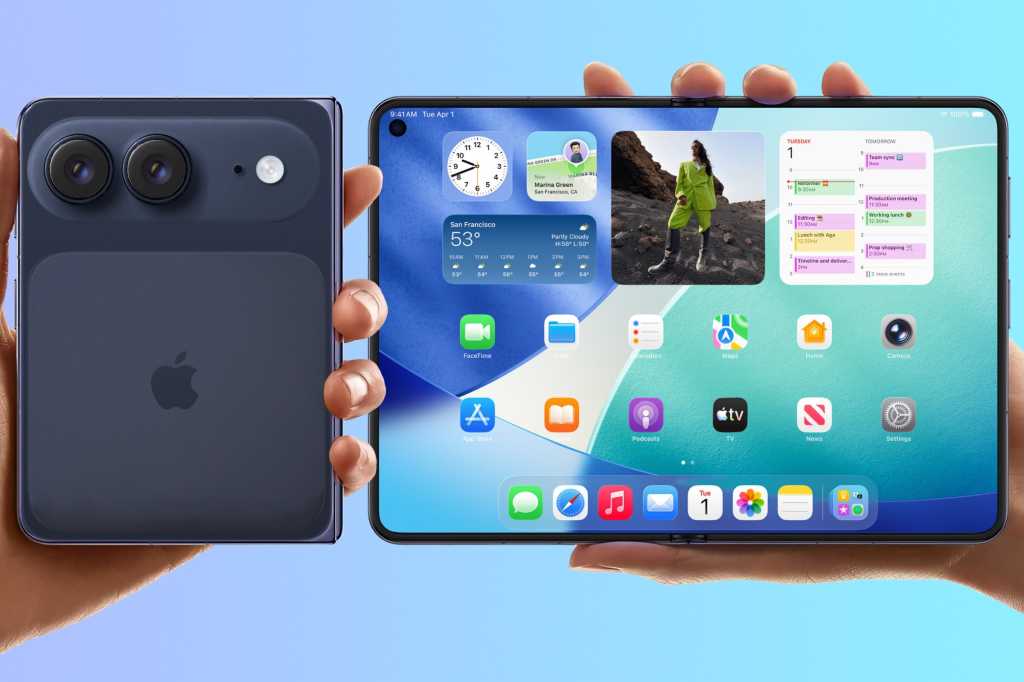
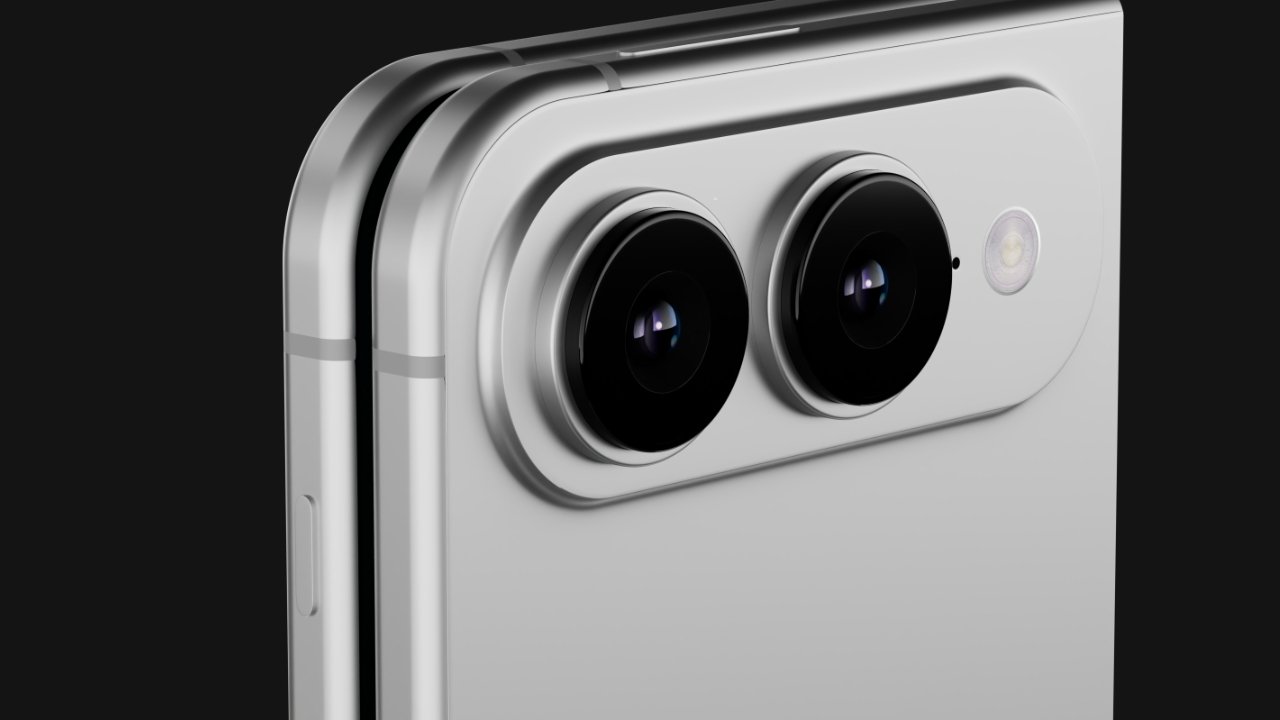
Taken on its own the shot offers little that hasn’t been said before: white finish, two-camera island, and a front that appears wrapped in protective film. That same basic look has been reported repeatedly — Apple is widely expected to keep the initial color palette small, with white and a darker shade (reports point to a deep indigo or space‑gray option) rather than the bolder hues we see on some iPhone lines.
Earlier leaks and CAD images line up with the elements visible here: an outer cover display roughly in the 5.3–5.5‑inch range and an inner unfolded panel around 7.6–7.8 inches, dual 48MP rear shooters (main + ultrawide), and a front camera for each screen. Taken together, the image is consistent with the growing consensus about the Ultra’s shape and camera layout — but consistency isn’t proof. Several outlets note the plasticky finish and single-angle presentation as signs it’s likely a third‑party mockup rather than a factory prototype.
The compromises behind the foldable dream
If you move beyond the photo, the more interesting story is how Apple appears to be balancing ambition against the physics of folding glass. Recent accessory and case leaks — plus component-level chatter — suggest Apple has made deliberate trade‑offs to hit aggressive thinness and reliability targets.
Notable design compromises circulating in industry reports include:
- A side-mounted Touch ID sensor built into an elongated power button, apparently replacing Face ID on this model because the TrueDepth hardware is too tall to fit cleanly inside an ultra-thin folding chassis.
- Volume controls shifted to the top edge rather than the left rail, thanks to a large mechanical hinge occupying one side of the frame.
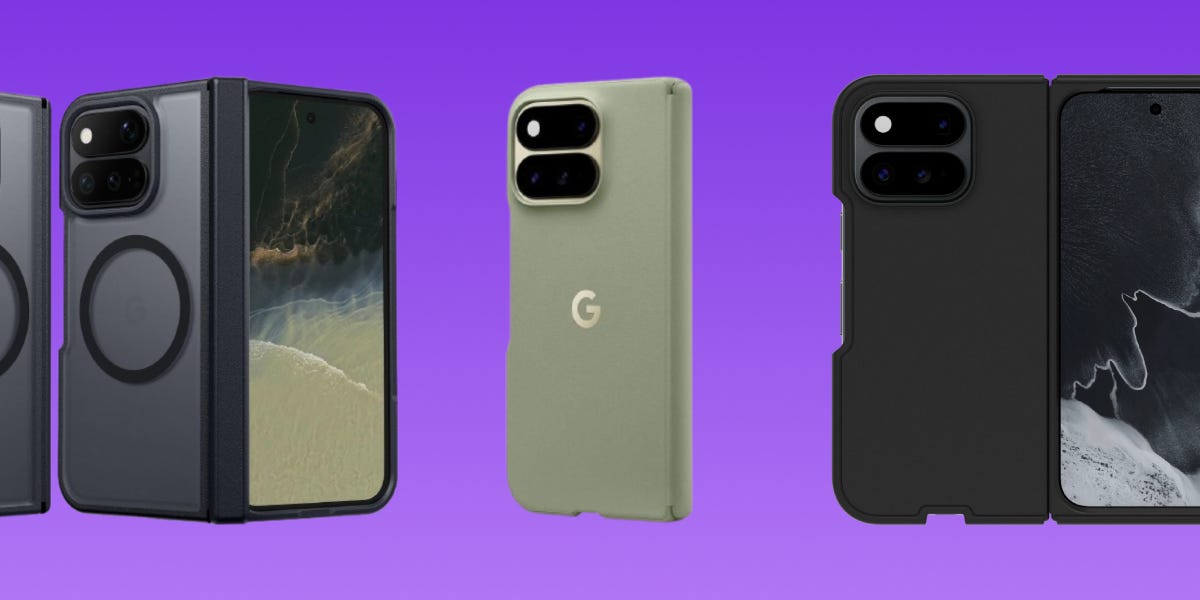
- No internal MagSafe ring; magnets for magnetic accessories may instead be pushed into cases to save space and weight.
- A pared-back camera system (dual lenses, no obvious telephoto) — a concession many foldables make to keep the device slim when unfolded.
Some leaks even suggest the unfolded device aims for an astonishingly thin 4.5–4.7mm profile, which explains why Apple might strip or relocate certain components. Those are meaningful sacrifices: they change everyday interactions (no Face ID), accessory behavior (cases carrying magnets), and photographic capability (less optical reach). It’s a reminder that the Ultra label, here, means “different priorities” rather than “more of everything.”
Production realities: why the color count matters
Manufacturing constraints are also shaping what Apple can realistically offer at launch. Analysts warn that foldable panels, hinge tolerances and yield rates will likely keep volumes low for much of 2026 — and that reduces the appetite for many finish options. Adding colors increases complexity in paint lines and inventory; for a device rumored to carry a price north of $2,000, Apple appears inclined to keep the palette conservative.
That strategy echoes Apple’s past launches: when a product is novel and constrained, fewer finishes simplify logistics and focus attention on the hardware itself. But with high prices and tight supply, some buyers may be more forgiving — or simply wait for later generations.
Timing, credibility and what to expect next
Industry calendars still point to a September announcement alongside the iPhone 18 Pro family, though several supply‑chain signals suggest shipments could slip into the fall and even toward year‑end. If you want a deeper dive into those timing questions, there’s useful background on why the foldable could be announced earlier than it ships here, and an analysis of how this unusually wide "passport" fold might change the market here.
For now the picture on Weibo is a reminder that we’re still in the rumor phase: one plausible leak that matches prior reporting, but not yet the smoking‑gun proof collectors of angles and serial numbers want. Expect more crumbs — and more theorycrafting — between now and Apple’s fall hardware event.
If you’re already tallying pros and cons, factor in this reality: the Ultra seems aimed at buyers who prize a larger, more tablet‑like canvas and are willing to trade certain conveniences for it. Whether those compromises pay off will depend on thinness, hinge durability, battery life and, yes, how quickly Apple can move from limited runs to something approaching mainstream availability.