Nothing’s budget phone line has hit a wall, and the reason is as blunt as it is familiar: memory is too expensive.
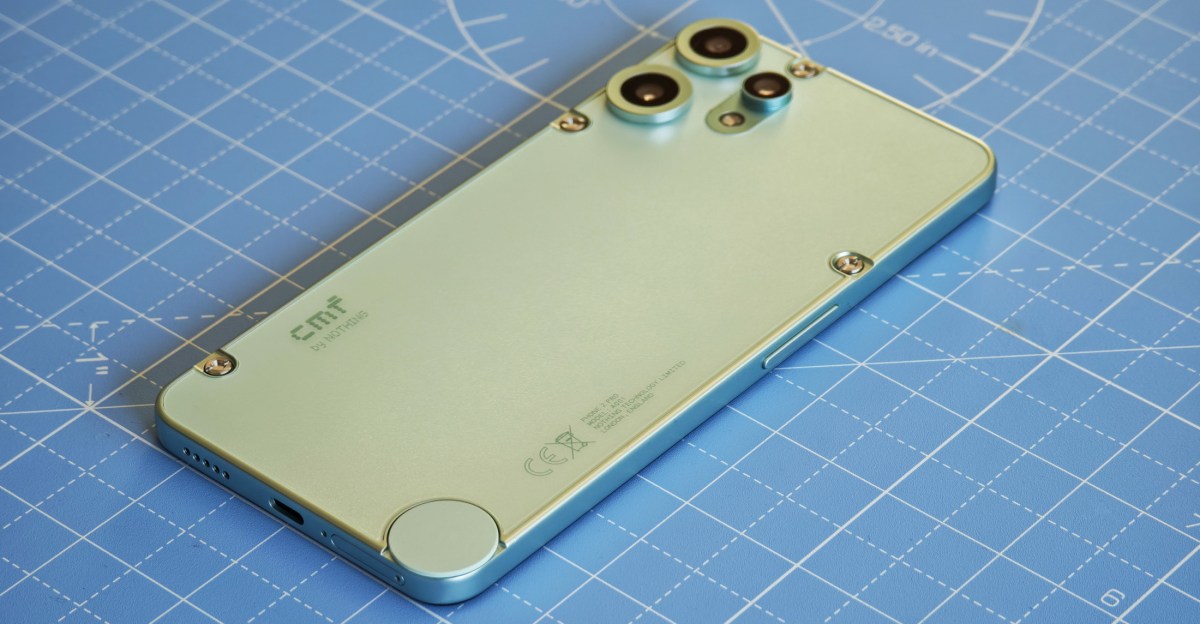
Akis Evangelidis, Nothing’s co-founder and the executive overseeing the CMF brand, said the company has canceled plans for a new CMF phone this year because it could no longer make a device that felt meaningfully better than the CMF Phone 2 Pro without blowing past the brand’s price target. In his words, Nothing “can’t build a phone that feels like a genuine step forward at a price that makes sense for CMF.”
That is a pretty stark admission, but it also fits the moment. The smartphone industry is being squeezed by the same RAM and storage crunch that’s rippling through PCs, tablets and even consoles. AI data centers are vacuuming up memory chips, pushing prices higher across the board. For a company like Nothing — which built CMF around value, not margin-padding — that leaves very little room to maneuver.
Why budget phones are getting hit first
This isn’t the kind of problem flagship makers feel evenly. It hurts the cheap end hardest.
When memory costs jump, a premium phone can absorb the increase more easily by nudging up pricing or trimming elsewhere. A budget phone has fewer places to hide. That’s why the CMF line has become such a visible casualty. The brand’s whole appeal was straightforward: unusual design, decent specs and a price that didn’t make you wince. If the next model simply kept the same spec sheet and cost 50% more, it would no longer be doing its job.
Nothing’s Phone 4A pricing pressure has already shown how ugly this problem can get for midrange and lower-cost devices, and CMF was always going to be even more exposed.
Evangelidis’ comments also echo what Nothing CEO Carl Pei has been saying publicly: memory is now the most expensive part of a smartphone, in some cases more expensive than the processor, display and other major components combined. When the core ingredient gets that expensive, the value equation collapses fast.
The broader memory crunch is changing the market
The timing here matters. This is not just one brand making a one-off decision. It’s part of a wider shift that has already pushed other makers to rethink launch plans, pricing and product tiers.
AI infrastructure spending has created fierce competition for DRAM and related memory types, and that’s hitting consumer electronics in a very direct way. The result is simple enough: the same chips phones need are becoming harder to source at sane prices. That pressure is showing up in rising prices for Moto G phones, higher midrange device costs, and more talk across the industry about shrinking entry-level lineups.
In Nothing’s case, the problem lands right on the CMF brand’s sweet spot. The company says it still plans to launch several new products under CMF, including some in entirely new categories. So the brand isn’t going quiet; it’s just stepping away from the cheapest smartphone battleground for now.
That leaves a gap in Nothing’s lineup. The standard Nothing phones are still expected to continue, and Evangelidis also hinted that the smartphone launch season at the company isn’t over yet. That suggests there are other devices in the pipeline — just not a CMF-branded one.
For buyers, this is another sign that the ultra-cheap smartphone era is fading. If you’ve been waiting for a true bargain Android upgrade, the market is becoming a lot less forgiving. And if you’re shopping around right now, you may find yourself comparing midrange phones more often than you’d like, because the floor is rising under everyone.
Even companies that have spent years winning on value are being forced to make the same uncomfortable choice: charge more, cut specs, or walk away from a launch entirely. Nothing chose the third option this time.