Nothing’s budget playbook just ran into a very expensive wall.
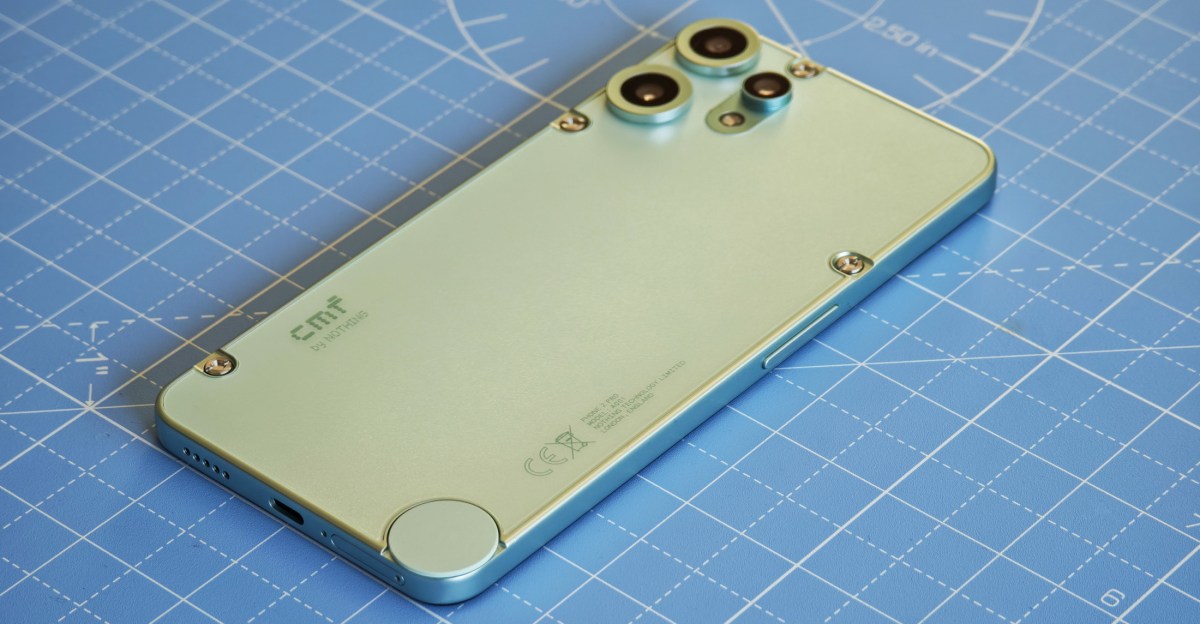
The company has scrapped work on the next CMF phone after memory prices climbed so sharply that the device could no longer be sold at the kind of price CMF is built around. Akis Evangelidis, Nothing’s co-founder and chief marketing officer, confirmed the decision on X, saying the team had been developing a successor to last year’s CMF Phone 2 Pro but couldn’t make the numbers work without either raising the price too far or shipping something that didn’t feel meaningfully better.
That’s the part that hurts most. The CMF Phone 2 Pro landed at $279 and earned a reputation as one of the more convincing cheap phones of the year. A follow-up was supposed to build on that momentum. Instead, Nothing says the same spec sheet would now cost roughly 50% more to produce, which wipes out the whole point of a value brand.
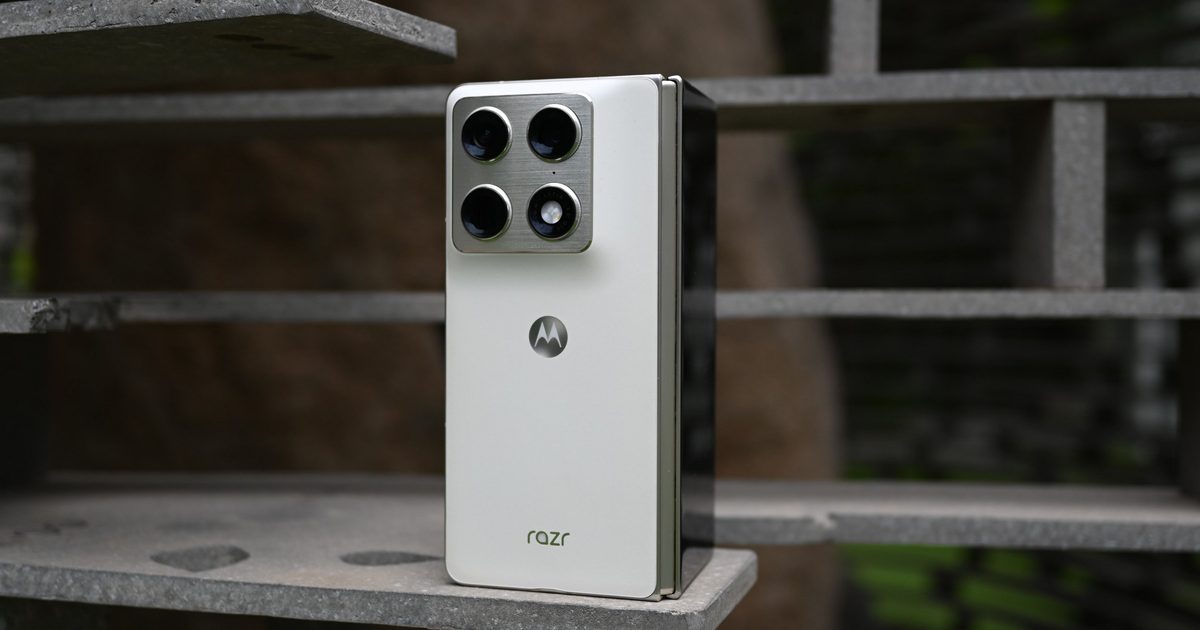
The problem isn’t unique to Nothing. RAM and flash storage prices have surged across the industry, squeezed by massive demand from AI infrastructure and data-center buildouts. As Motorola’s own pricing changes show, even companies with a very different market position are feeling the same pressure. When memory becomes the most expensive part inside a phone, budget models are the first to get squeezed out.
Carl Pei has been unusually blunt about it, describing memory as the single most expensive component in a smartphone build right now. In some cases, he said, RAM and storage can make up more than half of the hardware bill. That’s a brutal shift for an industry that usually treats processors and camera systems as the big-ticket items.
The timing is awkward for shoppers too. A good cheap phone now sits in the same supply chain that’s feeding AI servers for the world’s biggest tech companies, and the bidding war is lopsided. Trillion-dollar firms can absorb price spikes; budget handset makers can’t just shrug and eat the margin. It’s why the cancellation lands as more than a one-off product hiccup. It’s a sign of where the market is heading.
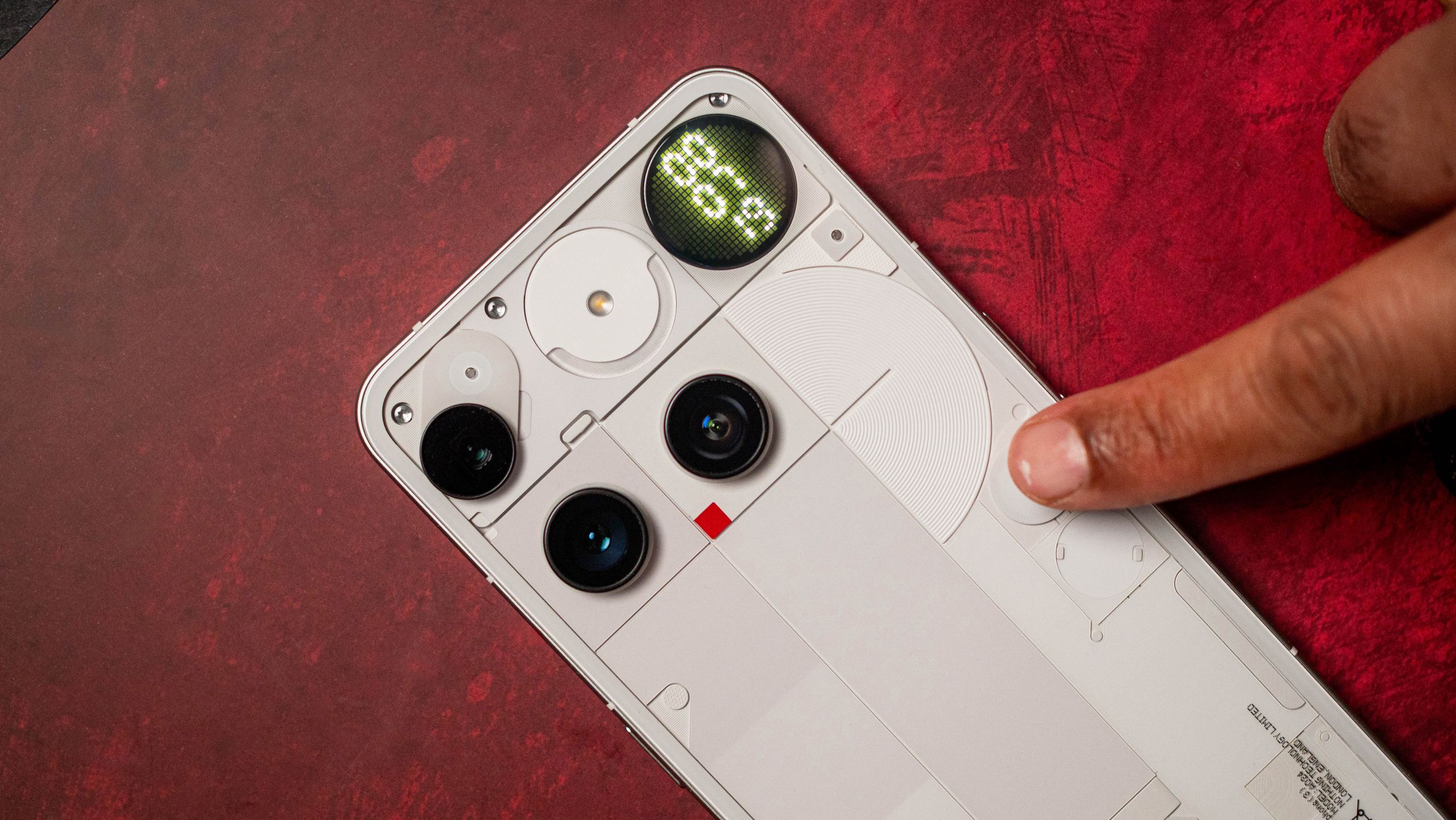
Nothing, for its part, isn’t slowing down everywhere. The company is still pushing its mainline phones and audio products, including the upcoming Phone 3, while also leaning harder into brand-building with its new ambassador push around Charli xcx. That split makes sense on paper: premium devices and accessories are easier to price into a volatile component market than ultra-cheap phones.
At the same time, Nothing has been teasing new hardware with its usual flair for misdirection. Recent Pokémon-coded posts featuring Blastoise and Jumpluff have prompted fresh speculation about a new smartphone and earbuds, possibly tied to the company’s Community Review Program and the next wave of products from the brand. If you’ve been following Nothing’s launch rhythm, the company clearly isn’t done making noise, even if one budget project has quietly disappeared from the board.
And that broader strategy lines up with the company’s recent messaging. Nothing has been leaning into its flagship ambitions, especially around the Phone 3, which it has described as the brand’s first true flagship. In other words, the company seems willing to accept that the cheap-end market is becoming a bad place to build right now and to spend its energy where the hardware can still carry a premium story.
For anyone hoping CMF would remain a reliable source of no-nonsense, affordable Android phones, this is a disappointing turn. But it’s also a pretty clear snapshot of the current hardware climate: if memory keeps getting pricier, the phones that disappear first won’t be the flashy ones.